
Garage Door Help for Lexington's Older Housing Stock
Lexington Garage Door Pros on what cold mornings and 1980s-era hardware mean for springs, openers, and tracks across this service area's older housing stock.
Read moreBlogLexington, NC · 4 min read
Garage door repair in Lexington, NC, built around the 1955-1998 housing stock and cold-moderate winters that work on steel panels and torsion springs here.
Local detail
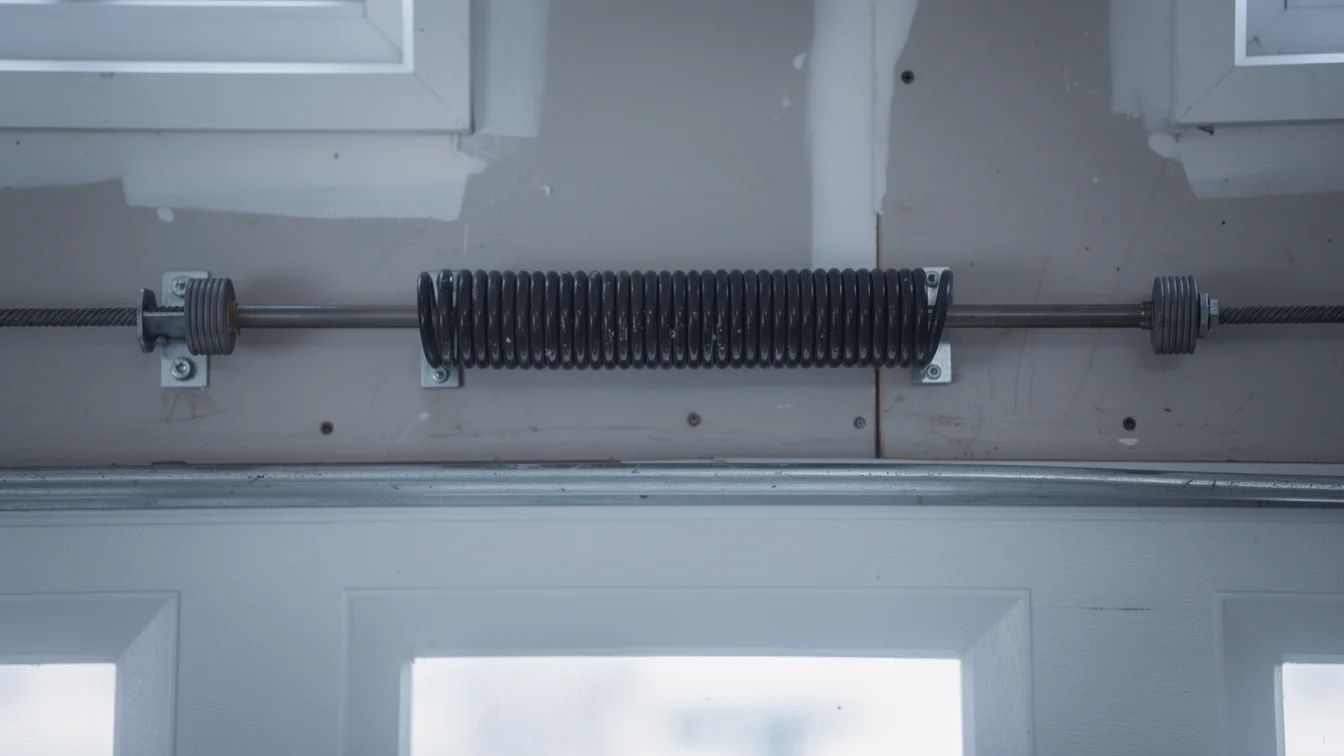
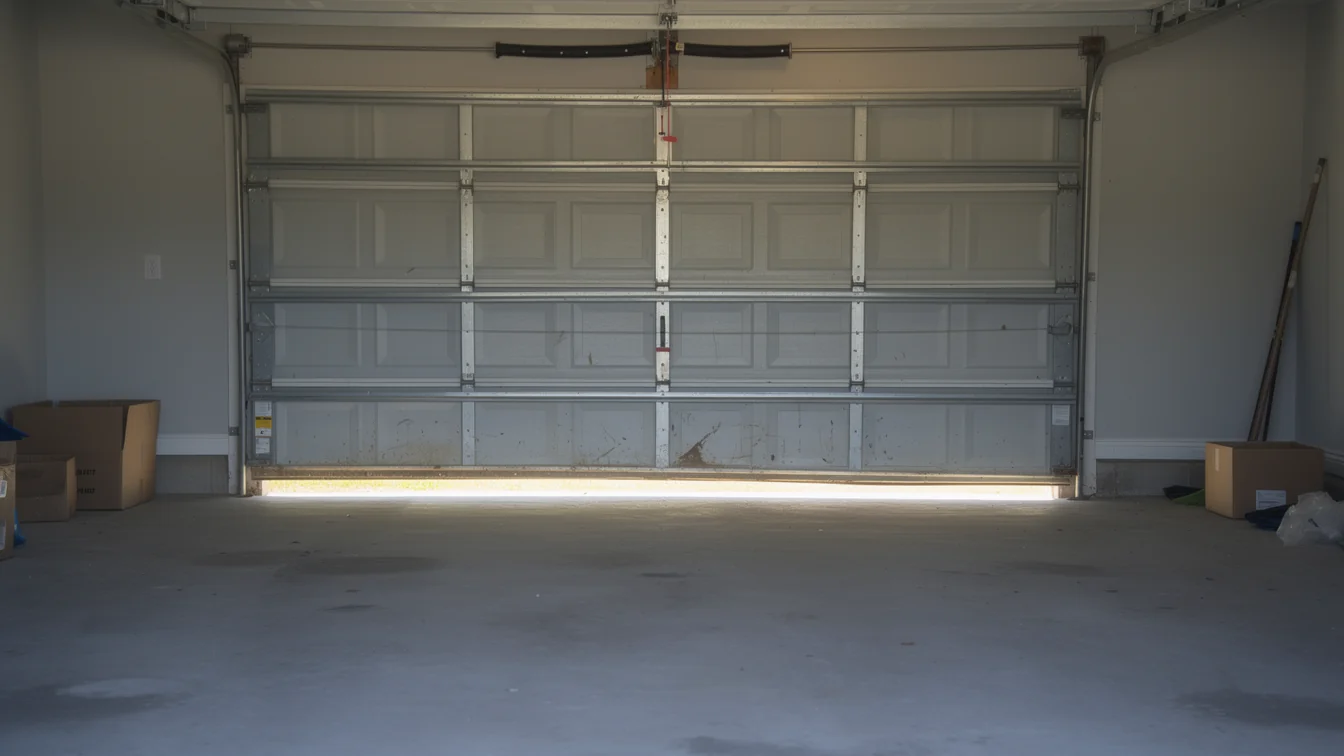
Most houses in Lexington's service area went up between 1955 and 1998, with the median build year sitting around 1983. That matters for what you'll find when you open the garage and look up. Pull the release cord with the door closed and lift it by hand - it should move with one hand and hold position about halfway up. If it drops or shoots up, the torsion spring is losing tension, which is common on doors from that era since most original springs were never rated for the cycle counts we expect now.
Check the bottom rollers and the track brackets for rust bloom, especially on north-facing garages. Look at the panel seams too - the 1980s-90s stock across the twelve areas we cover often used single-skin steel sections with no foam core, so a dent at the seam can work loose faster than it would on a newer insulated door. Listen for grinding when the opener runs; a dry roller sounds different from a worn bearing, and you can usually tell by ear before you ever call anyone.
What you can't safely check yourself: spring tension adjustment, cable replacement, or anything on a two-spring system where one side has already let go. That's not a DIY repair, full stop.
The area
We don't post a flat price list because the fix depends on what's actually on the door - a torsion spring job on a single door isn't the same job as a cable and drum replacement on a double, and we're not going to quote one number for both. What we can tell you is what drives the cost: spring size and door weight, whether the track needs resetting or replacing, and whether the opener itself is original to the house.
Given median household income here runs $64,562, most people we talk to aren't looking for the most expensive fix - they want the door saved if it can be saved, not sold a new one when a spring and a set of rollers would do it. We'll tell you straight when a repair isn't worth it against replacement, usually when the door itself is cracked through a panel or the track is bent beyond pulling back true. Ask for the breakdown before any work starts, and if a shop won't give you one, that's worth noting.
What we find
Across the service area's 19,193 households, 11,737 are owner-occupied houses, and that's the bulk of who actually calls about a garage door - not landlords, not property managers, people who live in the house. With a median build year around 1983, a big share of those garages are original to construction or one replacement removed from it, which means original hardware: side-mounted torsion units, steel tracks sized for lighter doors than what's sold today, and openers that predate modern safety reversal sensors.
That combination shows up in the calls we get - not emergency breakdowns so much as slow failures. A spring that's been stretching past its rated cycles for a decade. A track bracket pulling loose from drywall anchors that were fine in 1985 and aren't now. None of this is dramatic, but it's specific to houses this age, and it's why a quick look-and-listen check from someone who's worked this housing stock tends to catch the problem before the door comes down on a car.
How we work
Lexington sits in a cold-moderate climate band, and that freeze-thaw swing each winter works on steel and lubricant differently than a steady mild or steady hot climate would. Grease that's fine in August gets stiff in January, and a spring under tension behaves differently cold than warm - metal contracts, tolerances tighten, and a spring that was already near the end of its life is more likely to let go on a cold morning than a warm afternoon.
On doors from the 1955-1998 era common here, galvanized coatings on track and hardware have had decades of seasonal cycling to wear through at contact points, which is where you'll see surface rust start. It's not failure, but it's a sign to grease and recheck more often than you would in a milder spot.
One limitation worth saying plainly: we don't stock every obsolete part for every original 1960s or 1970s door still in service. Some older spring sizes and drum types are special-order, and that can mean a short wait on parts rather than a same-visit fix. We'll tell you up front if that's the case rather than make you wait to find out.
Questions
With median construction around 1983 for this area, a lot of original torsion springs are well past their rated cycle count by now. Age alone doesn't tell you the spring is bad, but if the door's original to a house built in that window and the spring has never been replaced, it's worth a check.
Yes. Lexington's cold-moderate climate band means real seasonal swings - lubricant stiffens, steel contracts, and springs under tension behave differently in winter. A spring already near the end of its life is more likely to fail on a cold morning than any other time.
Often, yes - a lot of what we see on 1980s-90s stock is a spring, roller, or track issue rather than a dead door. We'll tell you honestly when repair makes sense and when the panel damage or track condition means replacement is the better call.
Recommendation
More garage door guides for Lexington homeowners.
Lexington Garage Door Pros on what cold mornings and 1980s-era hardware mean for springs, openers, and tracks across this service area's older housing stock.
Read more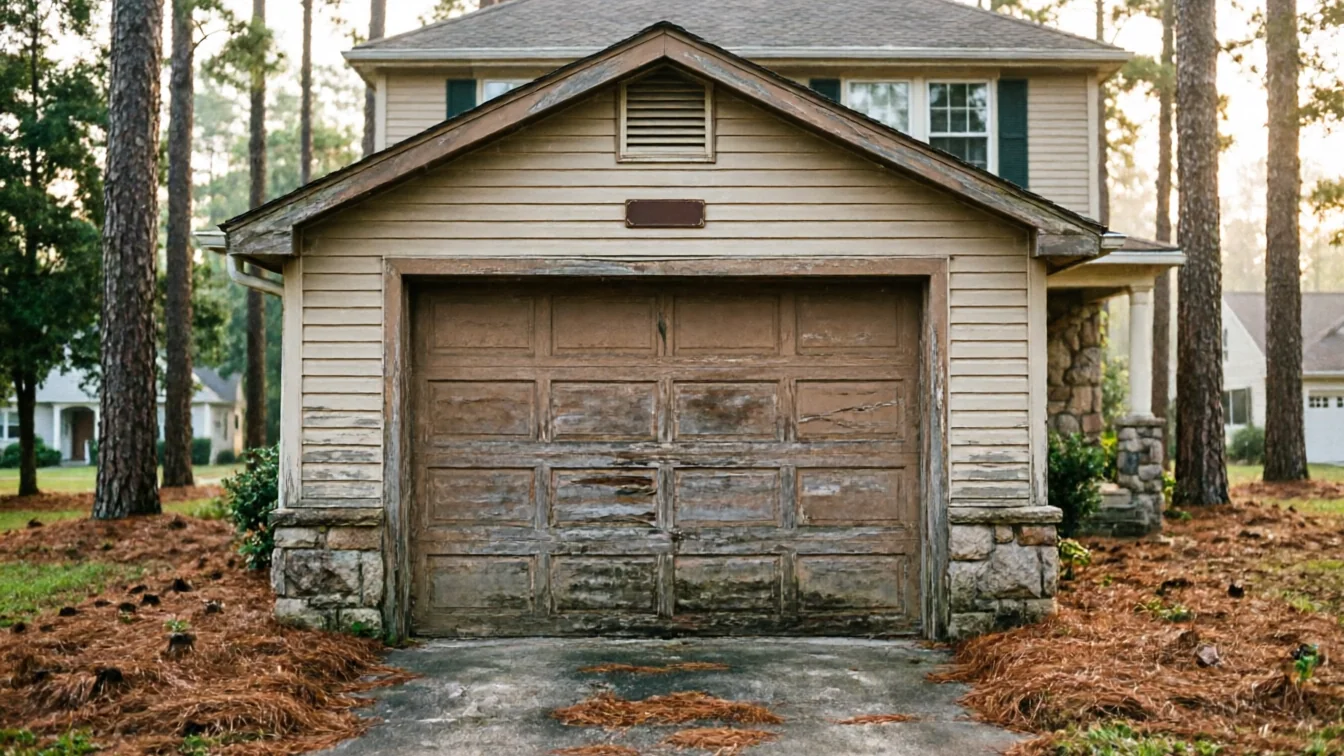
Lexington homes built 1955-1998 have doors and openers from a specific era.
Read more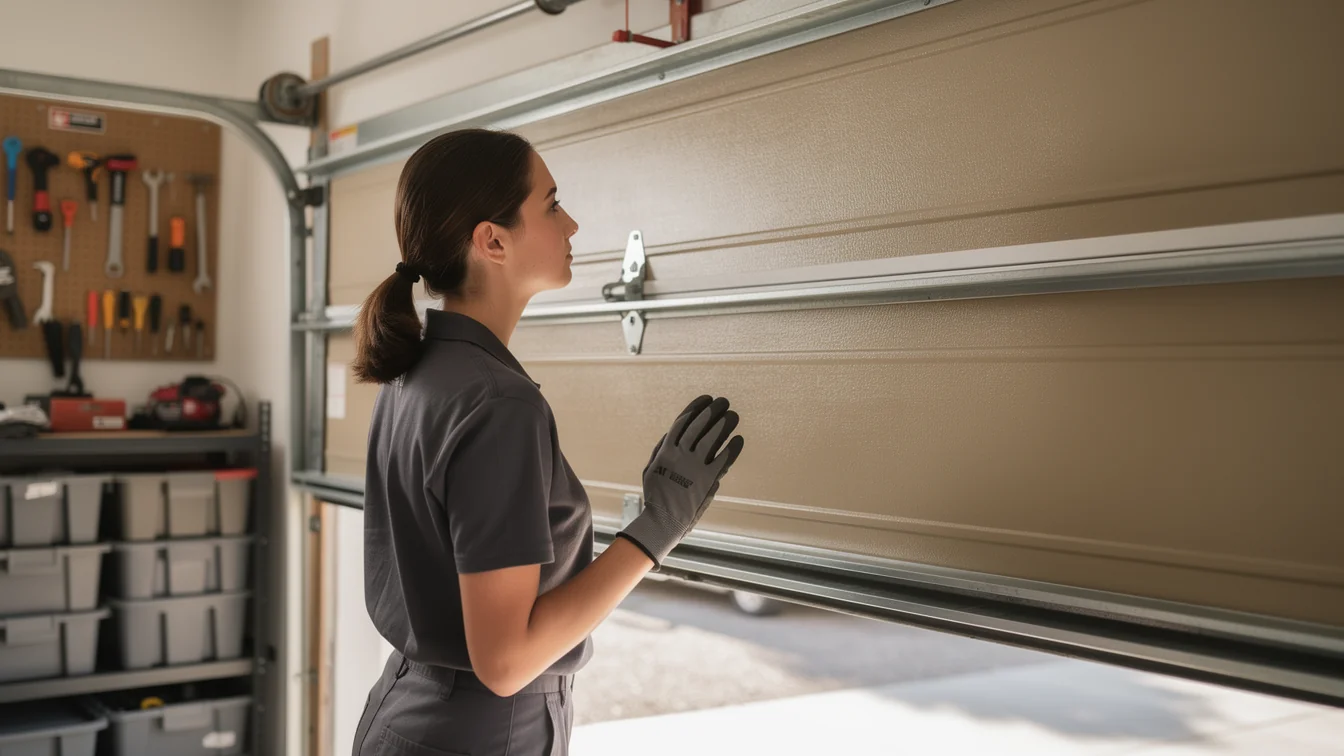
Lexington Garage Door Pros explains which noises actually mean trouble on the torsion-spring doors common in Lexington, NC homes built between 1955 and 1998.
Read moreReady when you are
Lexington Garage Door Pros repairs and installs garage doors, springs and openers in Lexington, NC and the surrounding area.