The Symptom
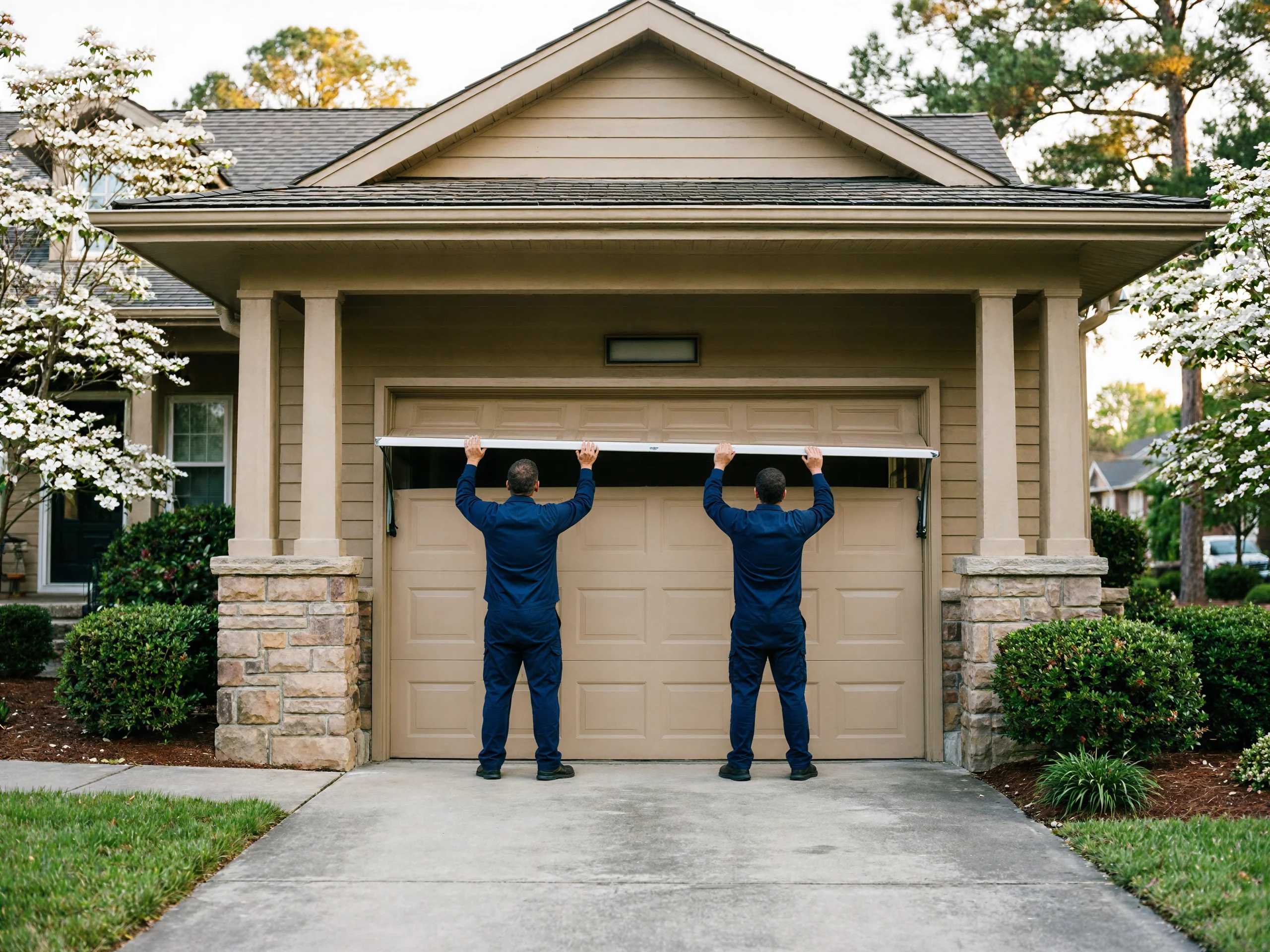
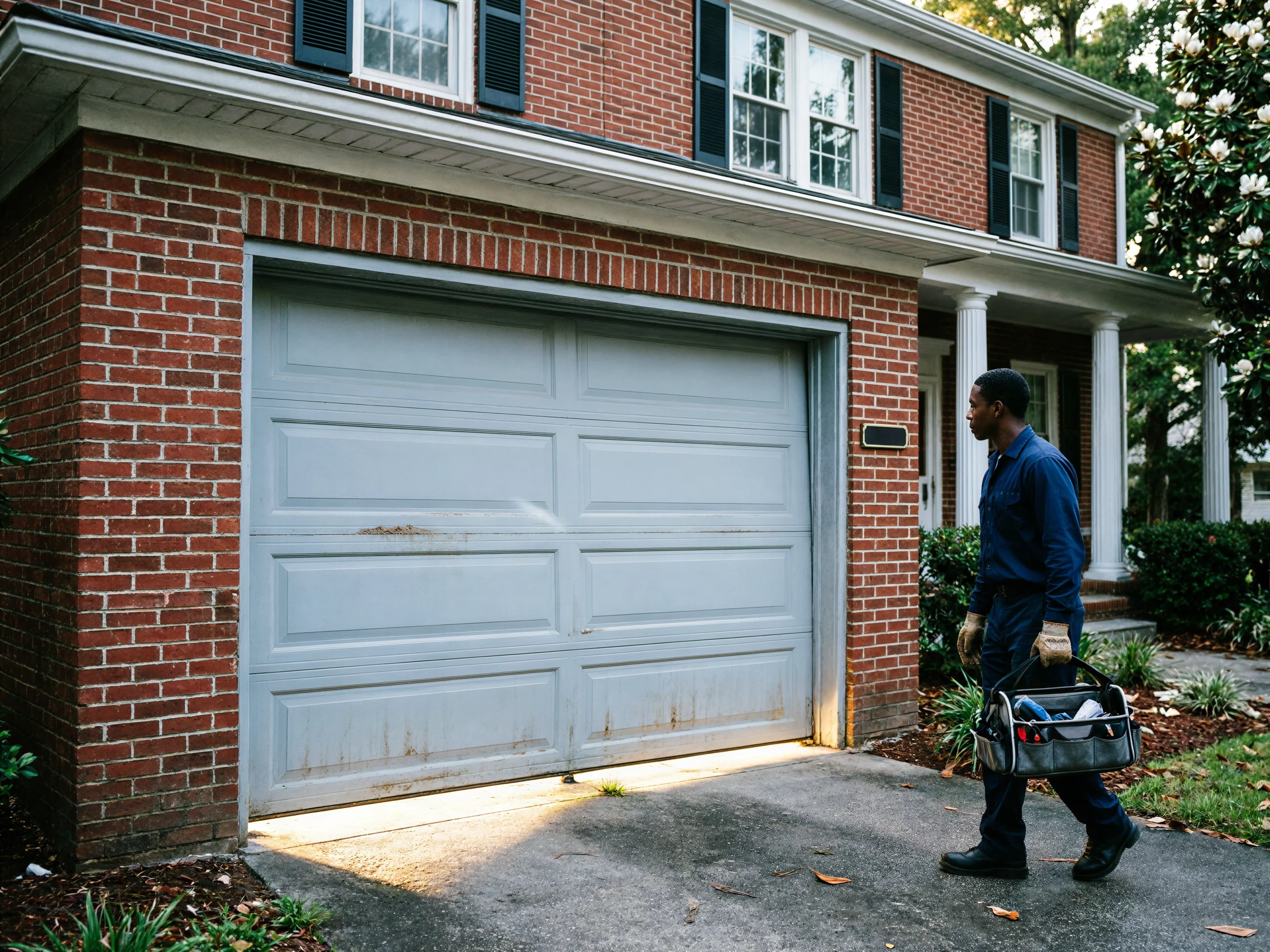
The call usually starts the same way: the door won't go up, or it goes up six inches and stops, or it slams down on its own.
Sudden bang, dead door
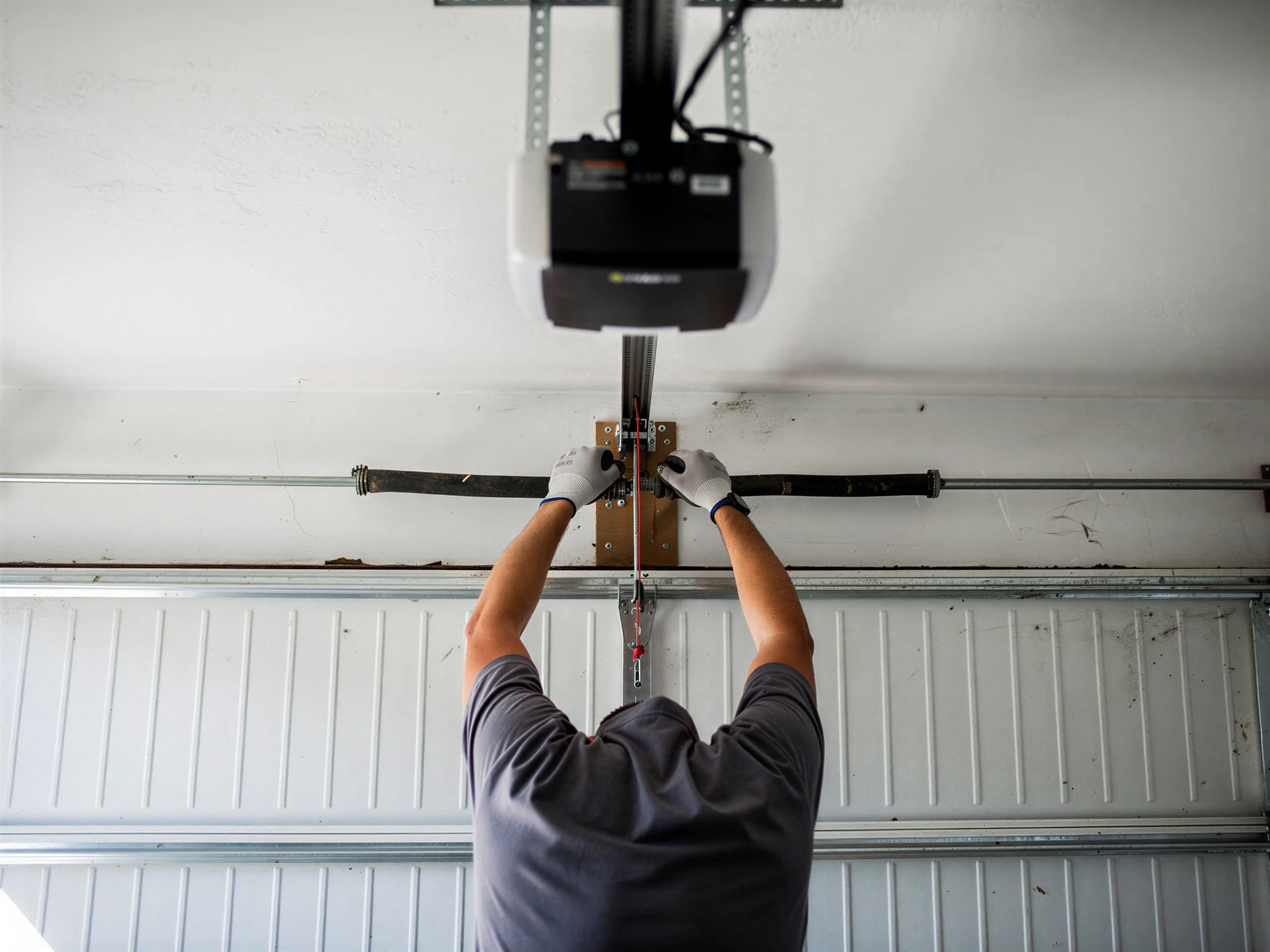
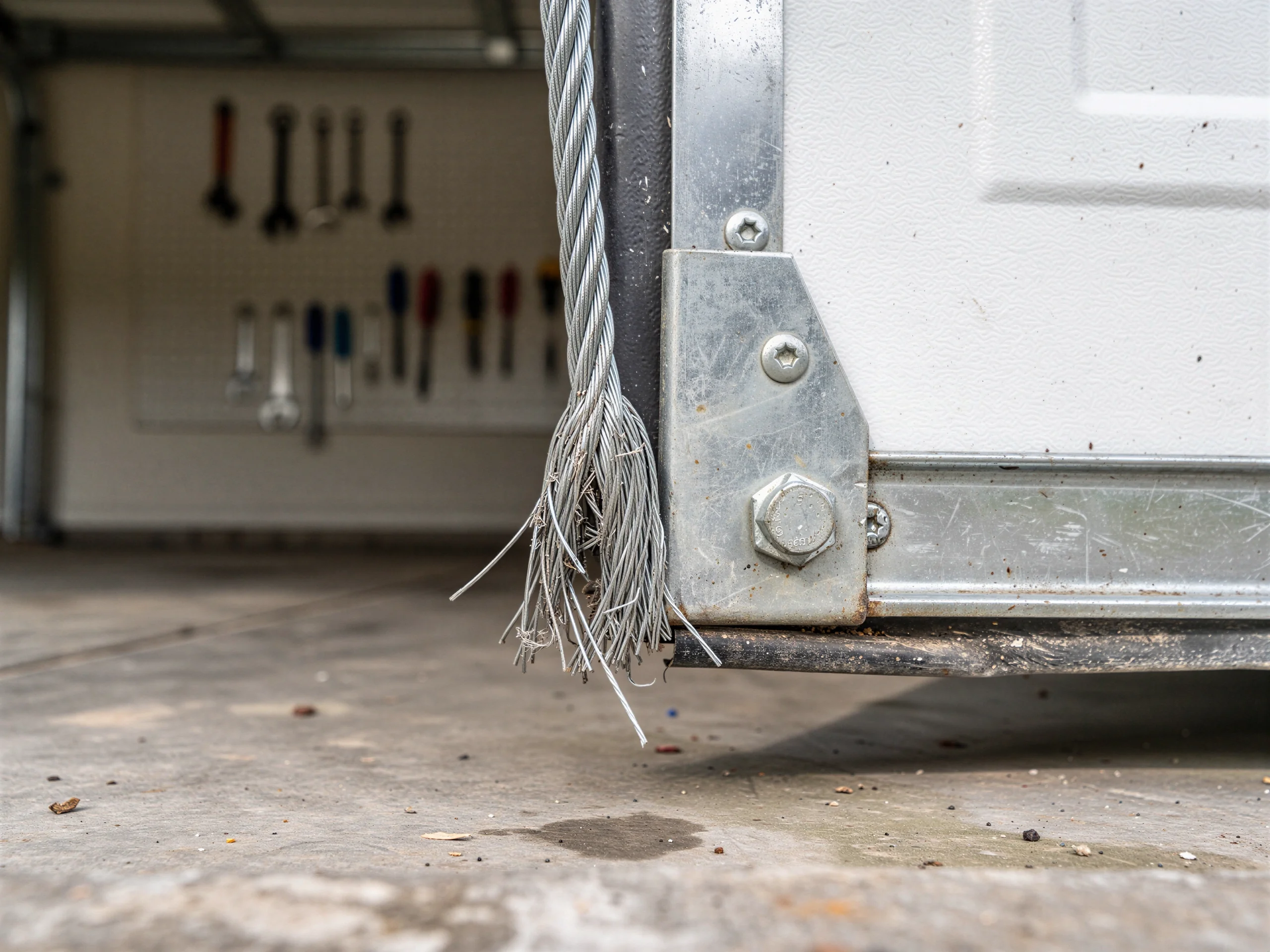
Sometimes it's a loud bang from the garage followed by a door that won't budge at all - that's almost always a torsion spring letting go. Other times it's a slow creak and sag at one corner, which points to a cable that's starting to fray off the drum.
Opener straining, door still
On older openers you might just hear the motor straining without the door moving, which usually means the spring is doing none of the lifting anymore and the opener is trying to carry the full weight of the door by itself.
Most common symptoms
Across the Lexington service area - with 11,737 owner-occupied houses and a median build year sitting around 1983 - these are the three symptoms we see most, and they're almost always spring or cable related rather than opener related, even though the opener is what the homeowner notices first.
The Complications
A stuck door is rarely just one part. If a torsion spring has been undersized or worn for a while, the cables on both sides take more strain than they're rated for, and by the time the spring finally breaks, one or both cables are often already frayed at the drum.
Single center spring risk
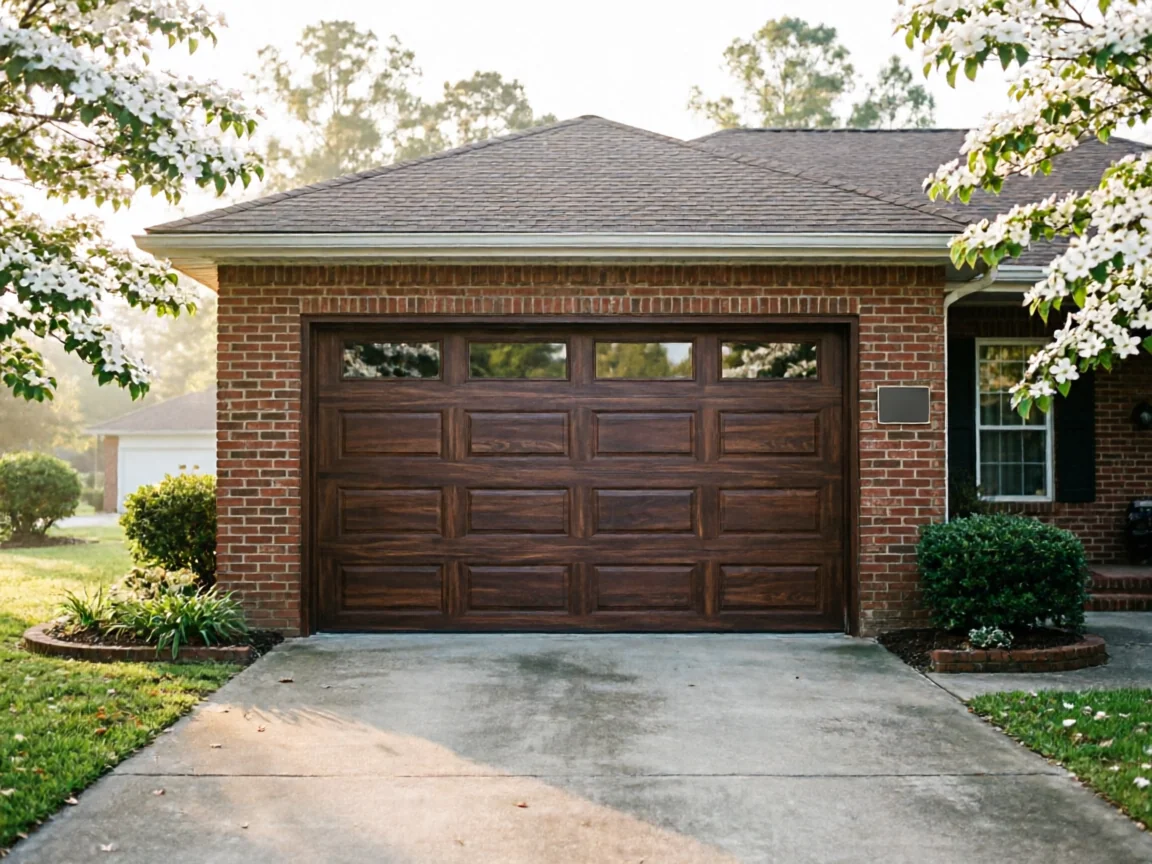
On a two-car garage with a single center spring - common in houses built before the mid-1980s - a spring failure means the full weight of the door drops onto whatever is left holding it, which is usually the cables or the bottom roller brackets.
Wrong wire gauge swaps
We also run into mismatched hardware: a homeowner or a previous handyman swapped a spring years back without matching the wire gauge to the original door weight, so the new spring wears out in a fraction of the time it should.
Unbalanced door danger
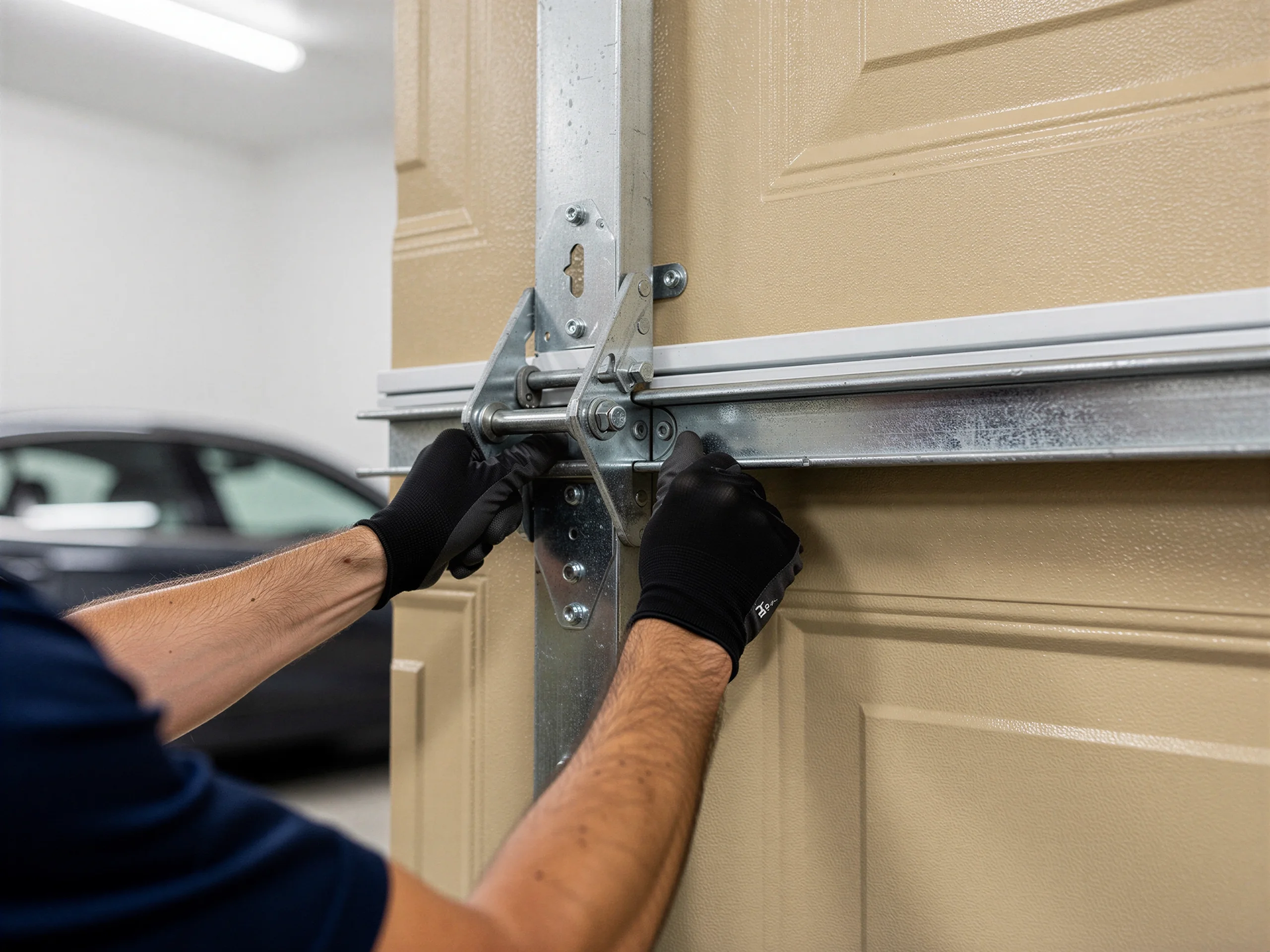
None of this is dangerous to diagnose from outside the garage, but it is dangerous to fix yourself once the door is unbalanced, because a wound torsion spring under tension can move faster than you can react.
Why It Happens Here
Lexington's housing stock runs 1955 through 1998, with most of it going up in the 1980s and 90s across the dozen or so named areas we cover. That generation of garage doors was built with torsion springs rated for a 10 to 15 year service life under normal cycling - and a lot of those original springs are still hanging in the garage today, thirty-plus years past the date they were sized for. In a moderate cold climate like ours, steel spring wire contracts and gets more brittle through the winter months, and that's when the metal fatigue from decades of cycling tends to finally give out. We also see houses where the original single spring was never upgraded to match a heavier insulated door added later - a common retrofit in homes from this era - which puts extra load on hardware that was never rated for it. It's less about any one disaster and more about the math of age plus cycles plus a cold snap.
The DIY Question
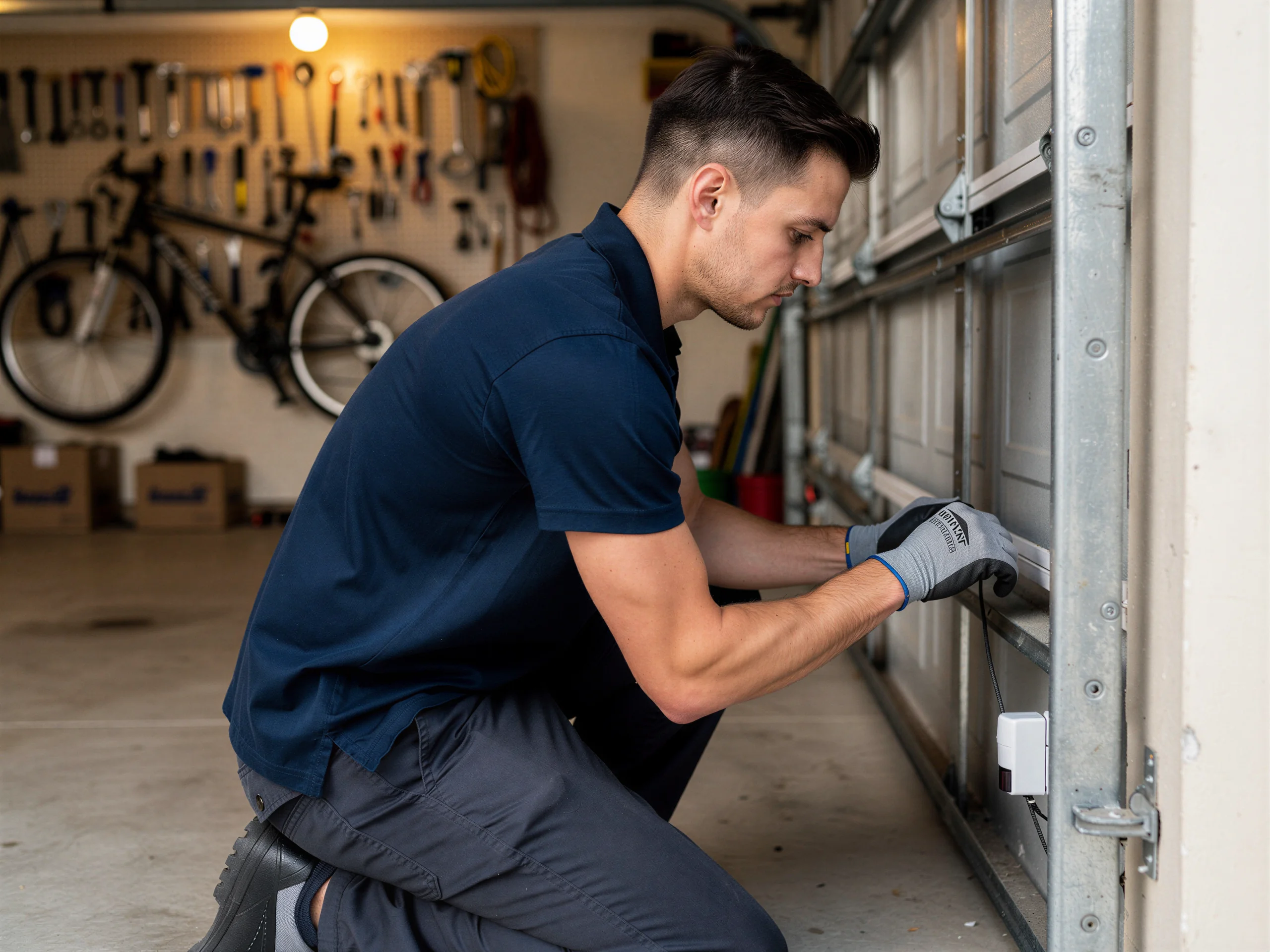
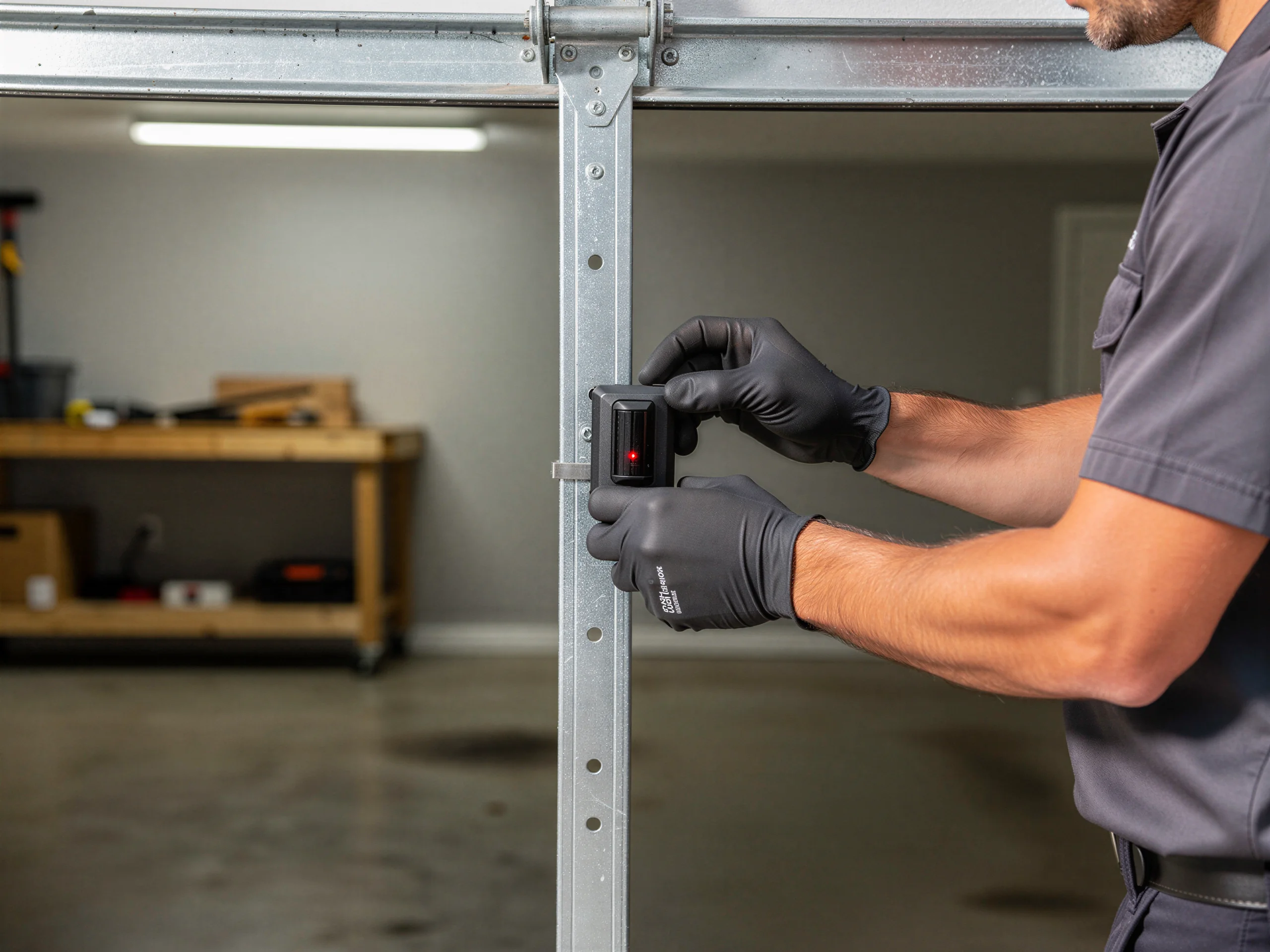
Tightening a loose hinge screw or lubricating a track is fine to do yourself. Replacing a torsion spring, a cable, or anything holding tension is not - the spring on a standard door stores enough force to break a bone or worse if it lets go while you're working on it, and we don't recommend homeowners attempt it even with online instructions. If your door is stuck in the open position, prop it and leave it; don't force it down. One honest limit on our end: if your opener or spring is an older model that's been discontinued, matching parts can take longer than a same-week job, and in some cases replacing the whole unit costs less than hunting down an exact match. We'll tell you which situation you're in before we start, not after.
Talk to a local pro
Garage door service in Lexington?
Same-day service with honest, upfront quotes.