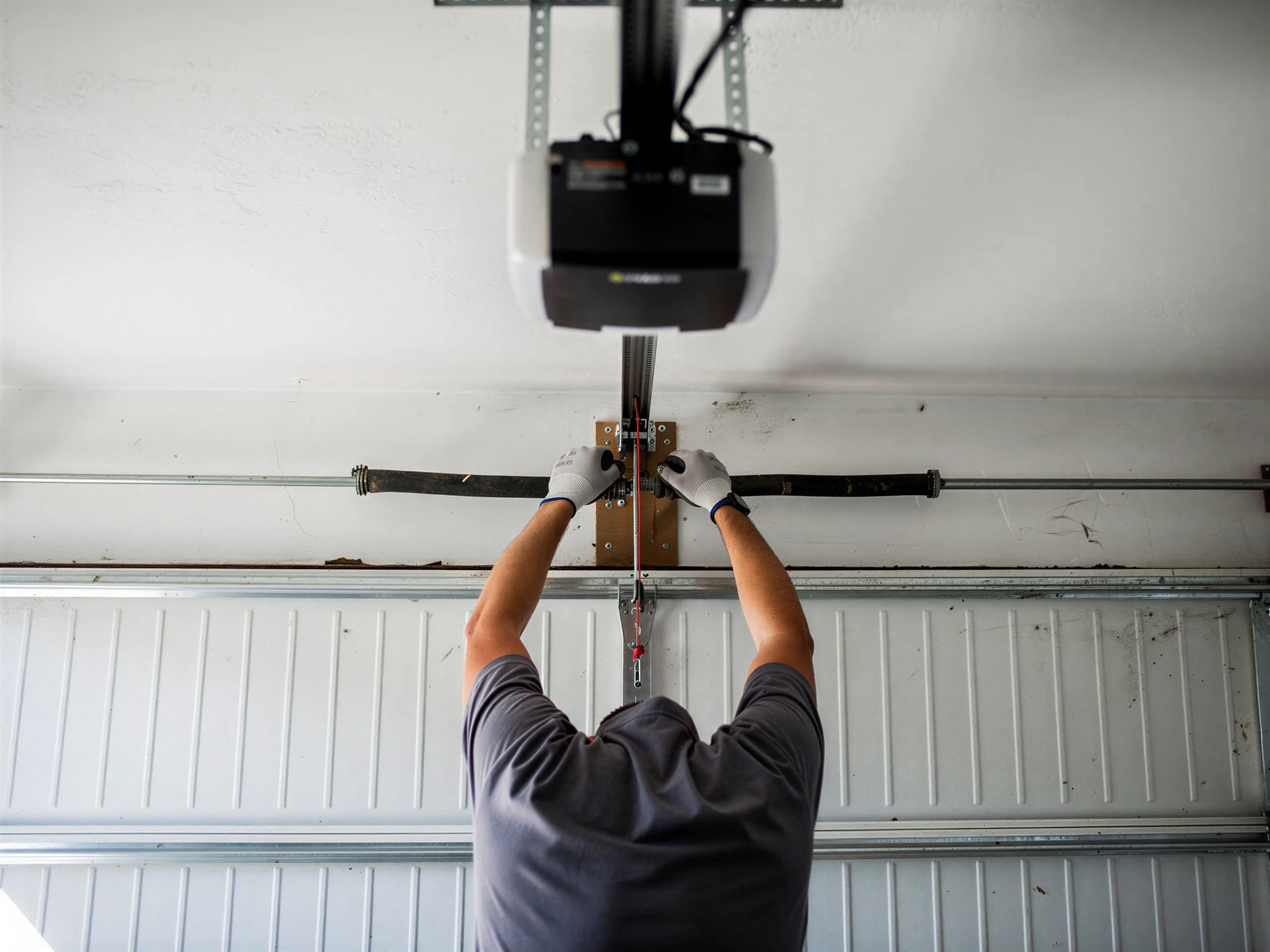
The Symptom
The complaint we hear most is a door that used to glide and now jerks, hesitates partway up, or groans before it moves at all.
Cold-morning sticking
Sometimes it's worse on the first cold morning of the week, then seems to loosen up by afternoon. Homeowners usually blame the opener first, because that's the part that makes noise. Most of the time the opener is innocent - it's just straining to do a job the spring used to do on its own.
Gradual decline pattern
In a lot of Lexington homes, this symptom shows up gradually. The door takes a half-second longer to respond to the remote. Then it starts drifting a little crooked on the way down. Then one morning it doesn't move at all and the opener motor just hums.
Spring already failing
That progression is worth paying attention to, because by the time the door won't move, you're usually looking at a spring that's already given out rather than one that's just tired. We get calls across the service area with this exact pattern - Lexington itself, out toward Welcome, up toward Spencer. The symptom is the same because the houses are the same age.
The Complications
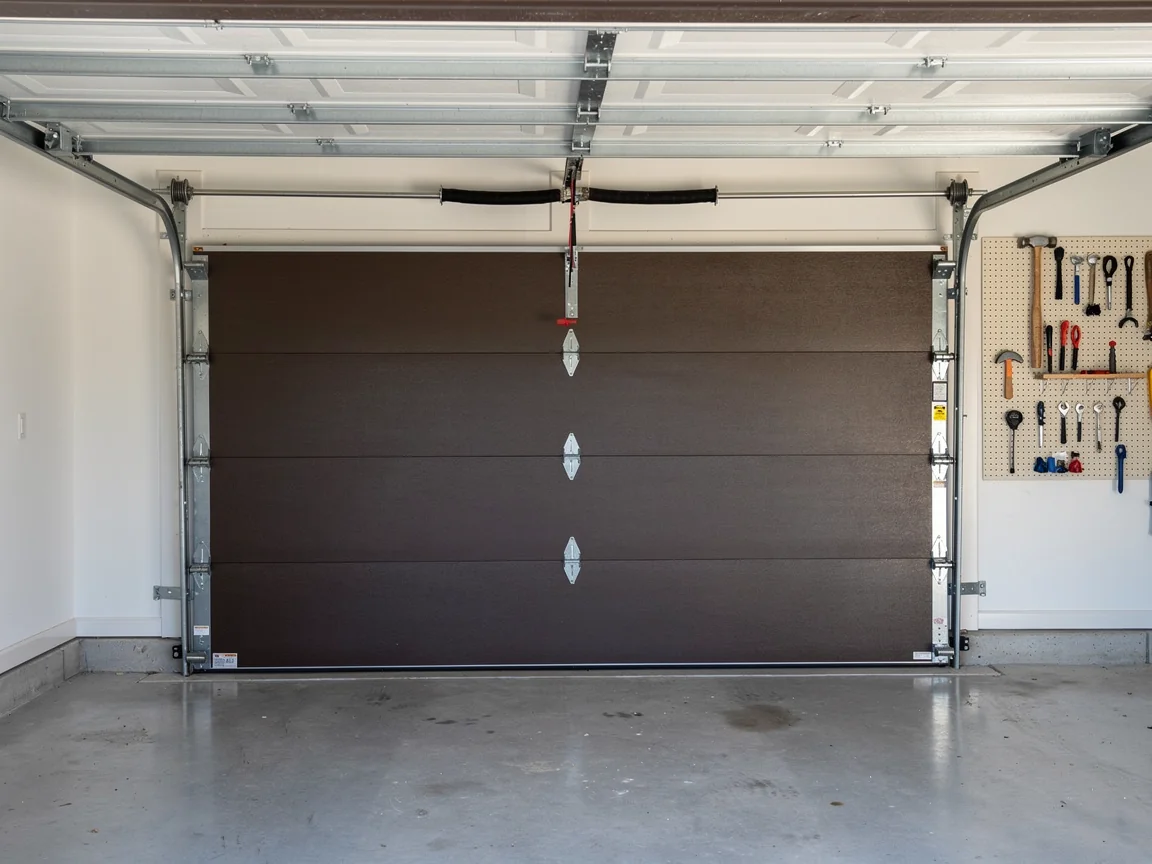
A door that's working harder than it should doesn't stay isolated to one part for long. A weak or unbalanced spring shifts the load onto the opener's gears and the lift cables.
Undersized cables fray
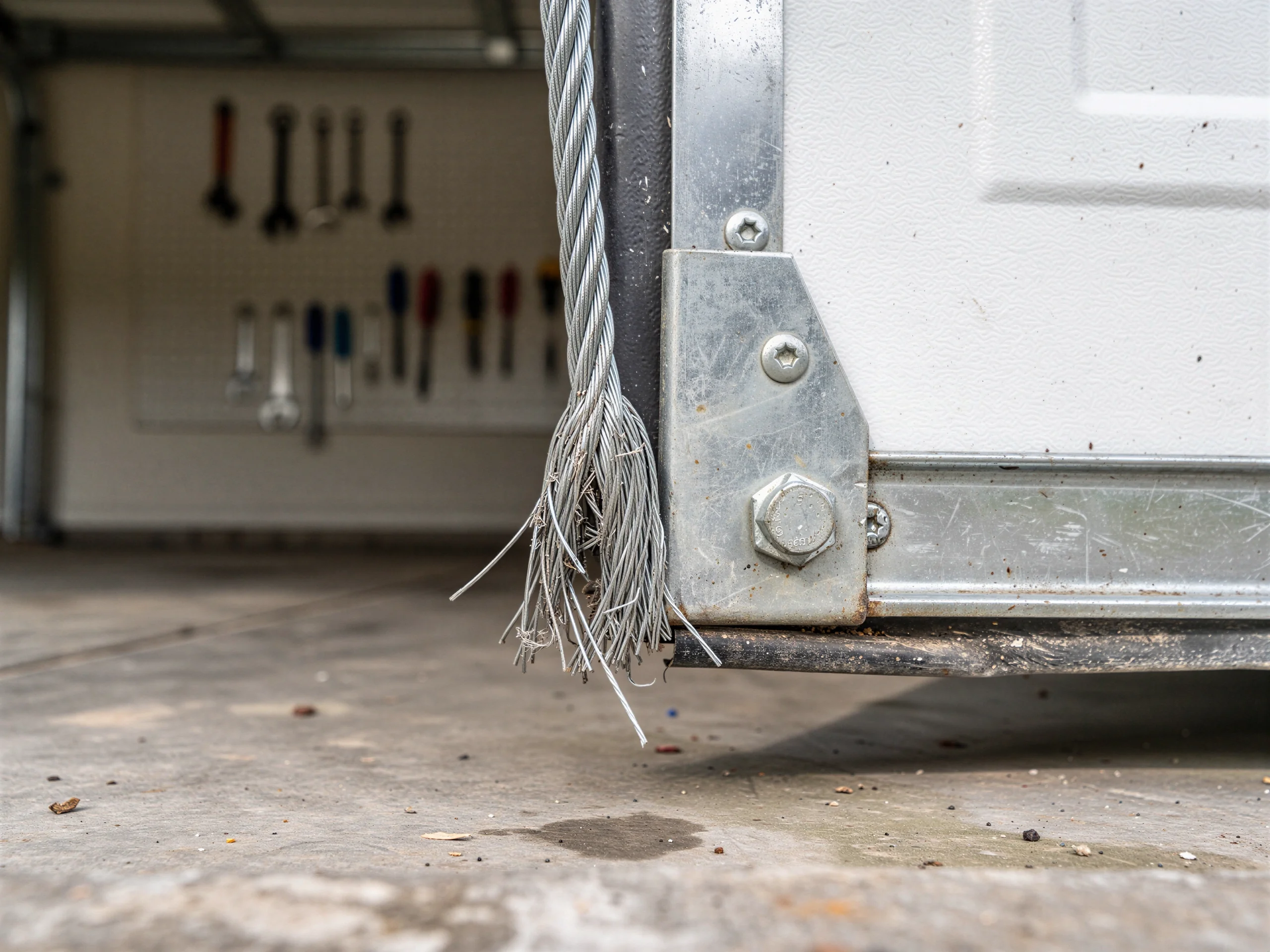
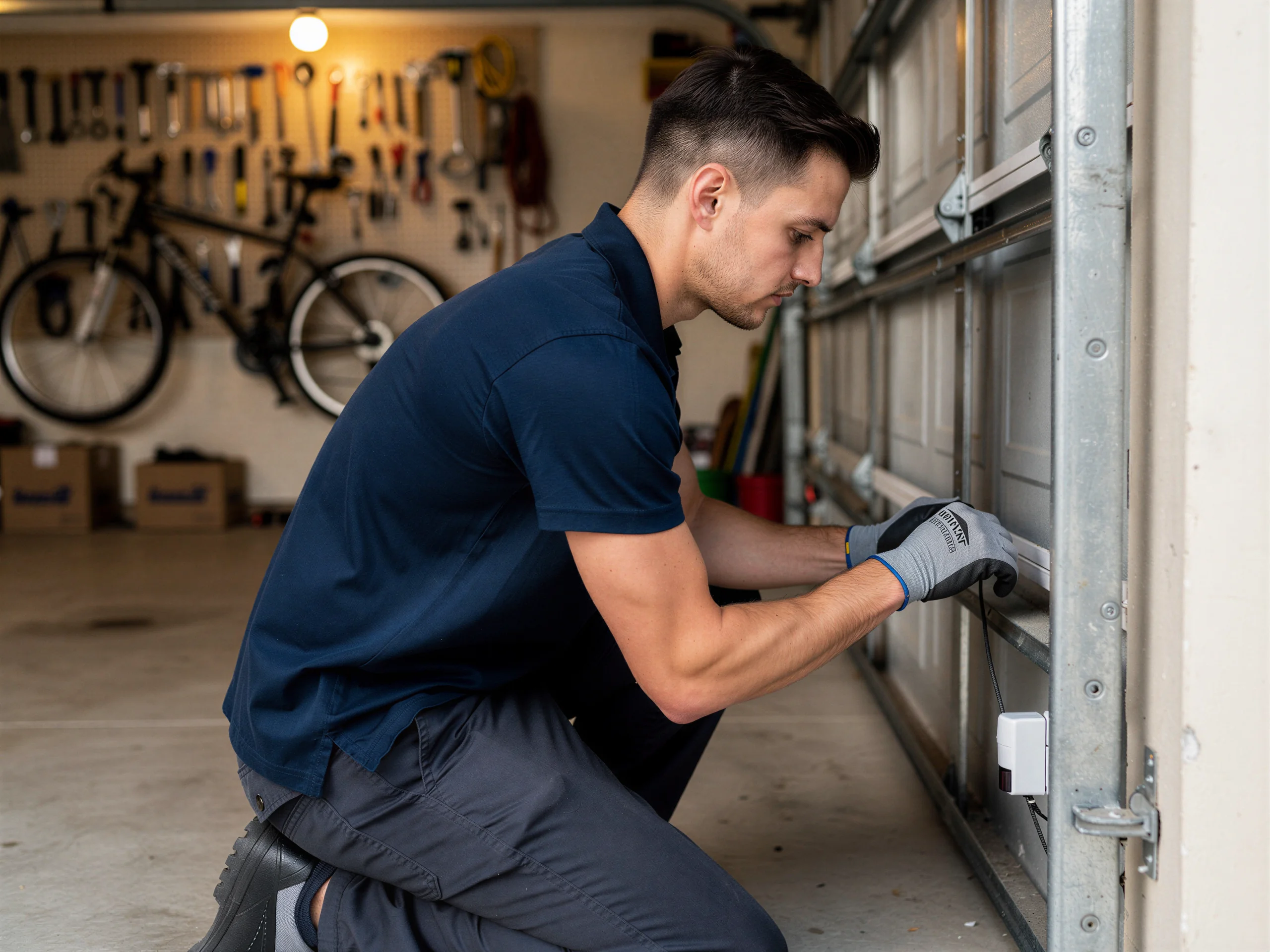
Cables that are carrying spring load they weren't sized for start to fray at the drum, and a frayed cable on one side pulls the door crooked in the track, which chews up rollers faster than normal wear would. Once the door is binding in the track, the opener's safety sensors can start acting up too - not because the sensors are bad, but because the door isn't traveling straight and the system reads that as an obstruction.
Inconsistent close behavior
So what started as a slow door turns into a door that reverses itself halfway down, or won't close at all some days and closes fine on others. That inconsistency is usually the tell that you're dealing with a mechanical problem upstream of the opener, not an opener problem.
Track straightening versus replacing
The honest complication: if a door's been limping along like this for a while, sometimes the track is already bent enough that straightening it isn't worth the labor compared to a new section. We'll tell you which one you're looking at before we start, not after.
Why It Happens Here
Lexington's housing runs mostly 1955 to 1998, with the median landing around 1983, and that pattern holds across the twelve areas we cover, not just downtown. A door and spring system installed in the 1980s has had three or four decades of temperature swings to work through. Torsion springs are rated in cycles, not years, but age and weather both shorten the practical life of the coating and the steel underneath.
The climate band here is cold-moderate, which matters more than people expect. Steel springs and tracks contract in cold weather, and old lubricant thickens up right when the spring needs to flex the most. That's why the symptom often shows up worse on a cold morning - the metal is tighter, the grease is stiffer, and a spring that's already near the end of its life has less margin left to work with.
With 19,193 households and 11,737 owner-occupied houses across the service area, a large share of the doors out there were installed on the same build timeline and are aging through the same weather on the same schedule. It's not a coincidence that we get a run of similar calls after a cold snap.
The DIY Question
You can check some of this yourself before calling anyone. Pull the release cord, move the door by hand, and feel whether it swings evenly with light, steady effort or whether one side drags or feels heavier.
Half-open balance test
A door that's properly balanced should stay put at roughly half-open. If it crashes down or floats up on its own, the spring tension is off, and that's not a project to take on with the door closed and the springs still loaded - torsion springs store enough energy to cause a real injury when they let go.
Safe homeowner maintenance
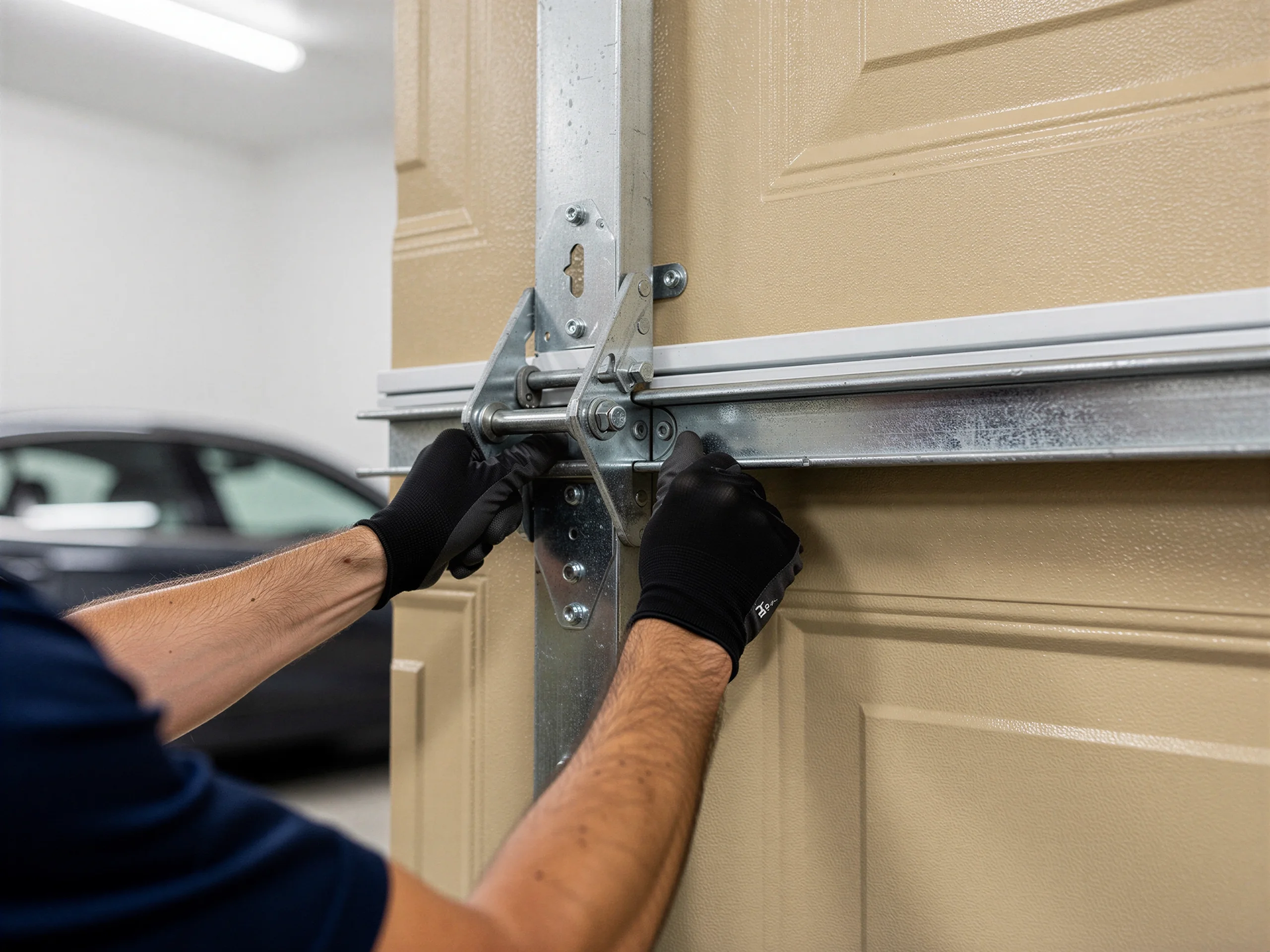
What you can safely do: wipe down and lubricate the tracks and hinges with a garage-door-specific lubricant, tighten visibly loose hardware, and check that the sensors near the floor are clean and aligned. None of that touches the spring or the cable system.
Lubrication versus spring cost
Given that median household income here runs around $64,562, we get it when people want to handle what they can. We'll tell you straight whether what you're looking at is a $20 lubrication job or a spring replacement - we're not going to send someone out for a five-minute fix just to run a service call.
Talk to a local pro
Garage door service in Lexington?
Same-day service with honest, upfront quotes.