The Symptom
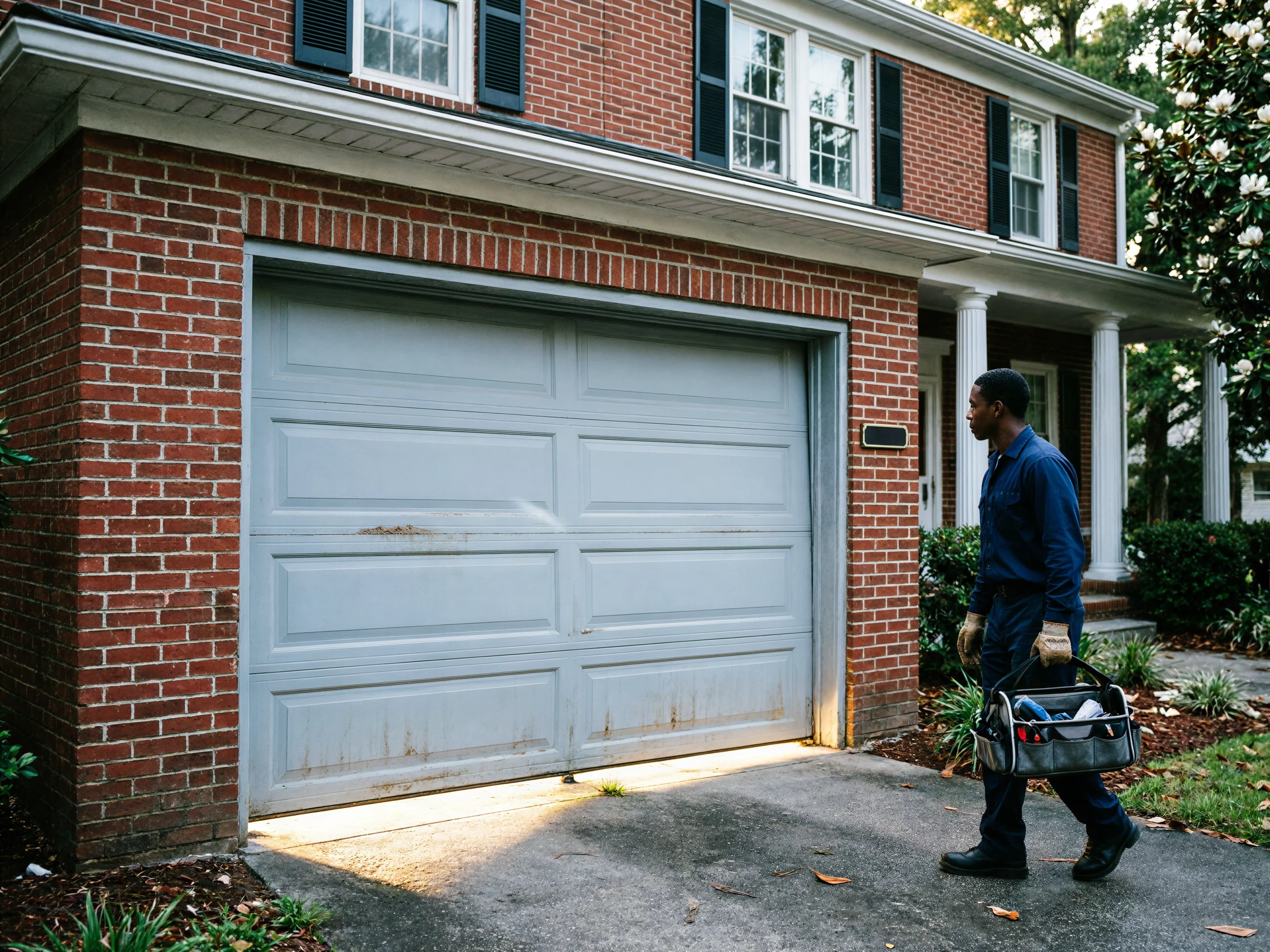
The call usually starts the same way: the opener hums or clicks but the door doesn't move, or it moves a few inches and reverses.
Remote versus wall button
Sometimes the remote works but the wall button doesn't, or the light flashes a code nobody can read without the manual. On a lot of the houses we get called to, the opener itself is original or close to it, a chain-drive unit from whenever the place was built or last remodeled.
Openers pushing thirty years
Across the twelve areas we cover, most houses went up between 1955 and 1998, with the bulk of that stock dating to the 1980s and 90s. That means a huge share of the openers still running today are pushing 30 to 40 years old, built before modern safety-reversal sensors were standard and long before anyone thought about battery backup or Wi-Fi.
Install needs full inspection
When one of these finally quits, it's rarely a simple swap - the mounting, the wiring, and sometimes the door itself all need a look before a new unit goes up.
The Complications
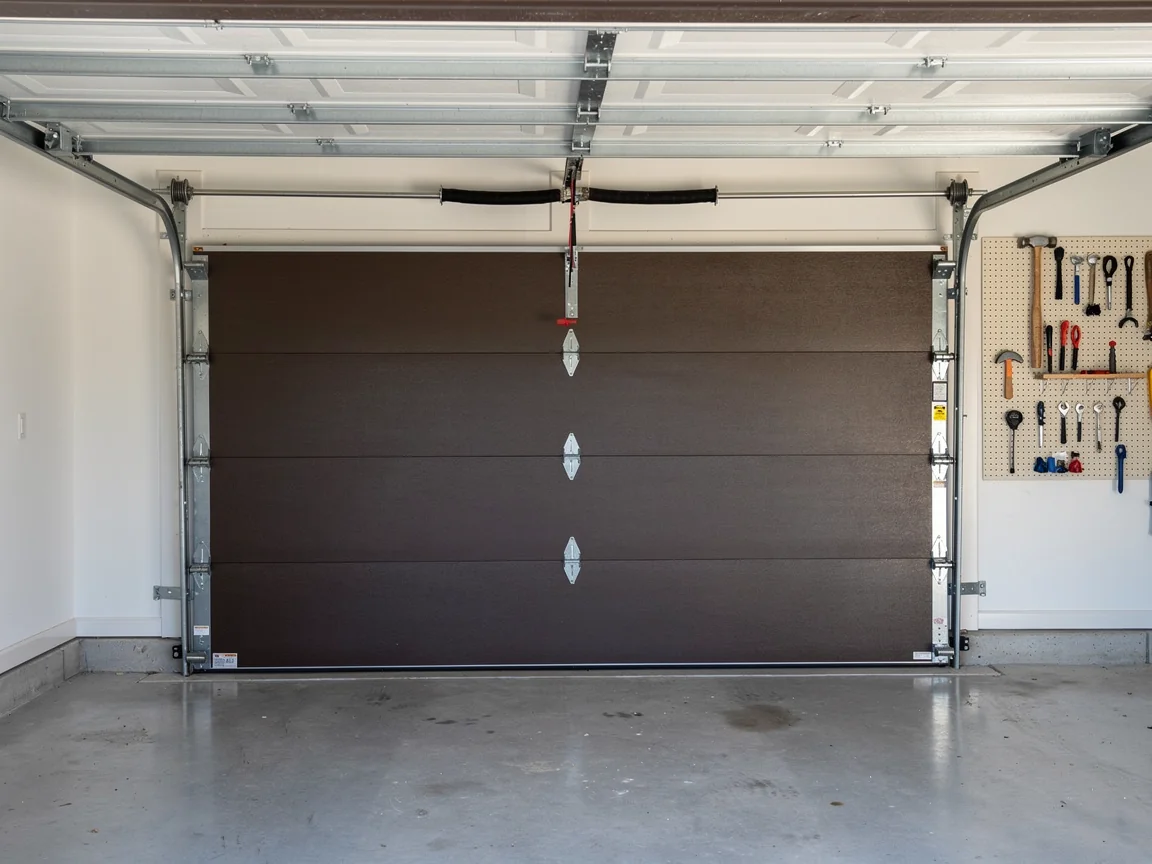
Installing a new opener on an older house isn't always a drop-in job. Garages from the 1955-1998 build window often have headroom that doesn't match today's standard bracket kits, or rafters spaced for a lighter chain-drive unit than what's sold now.
Dedicated circuit missing
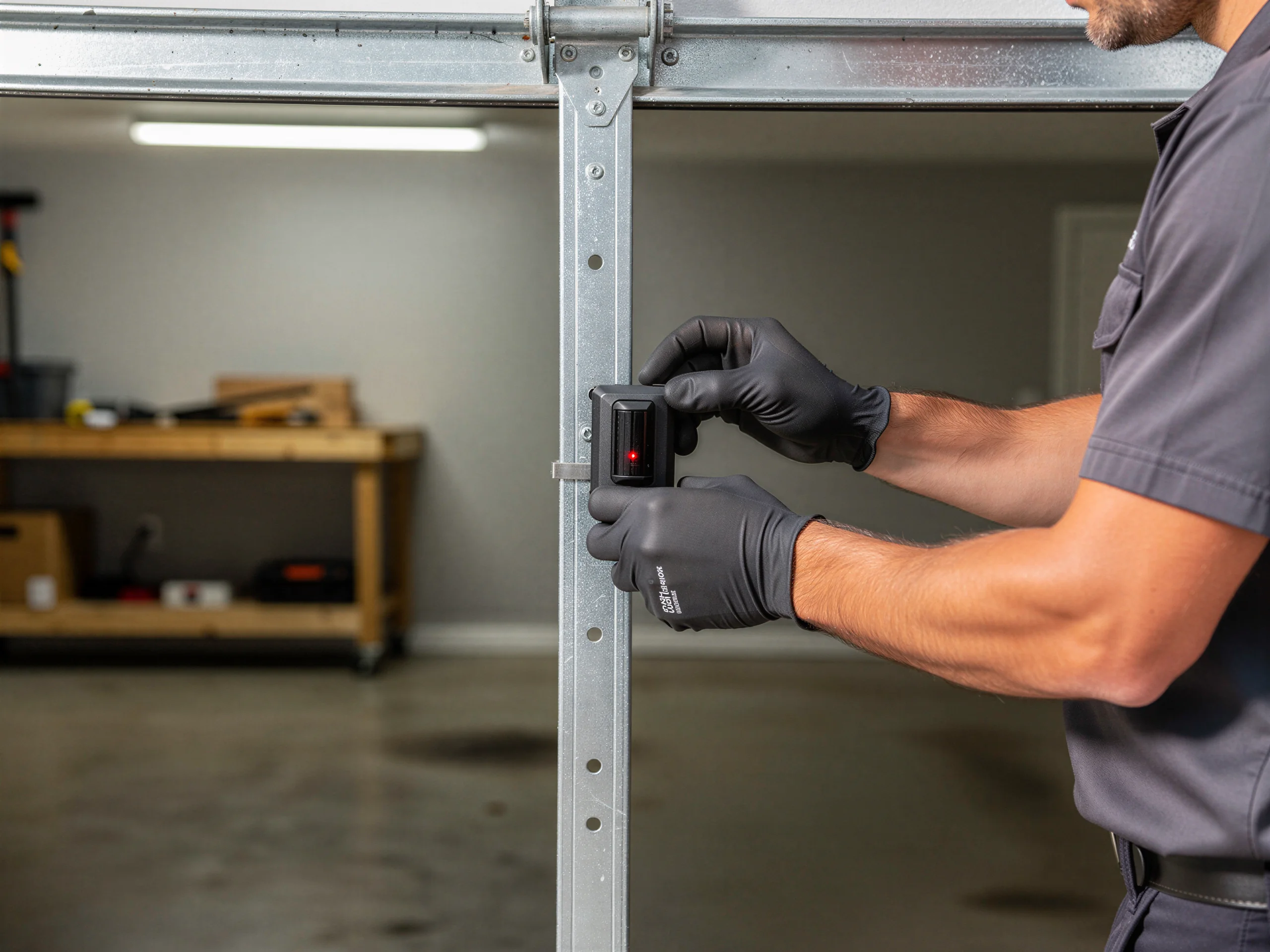
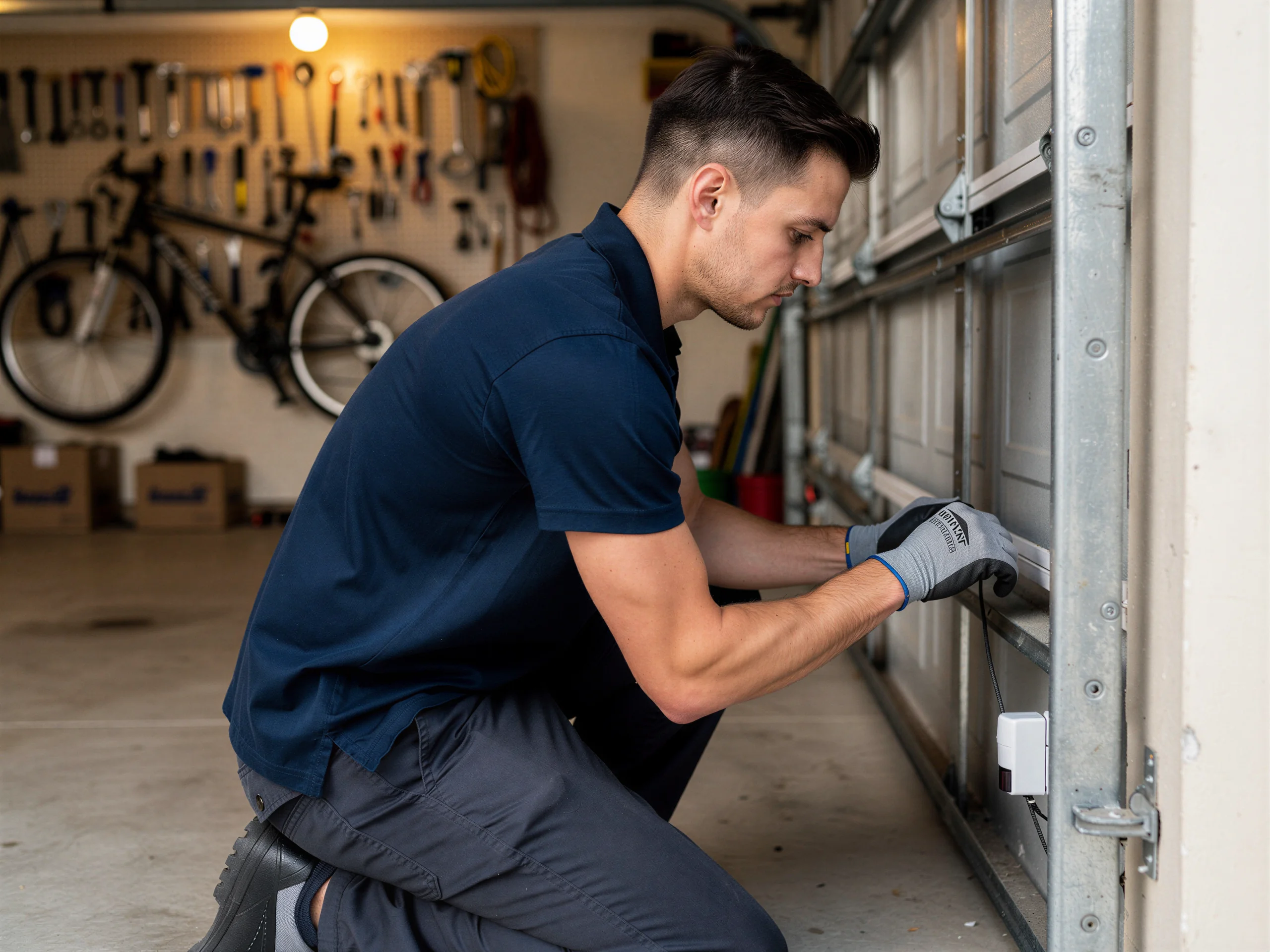
Wiring is another snag - a lot of these garages were never run with a dedicated circuit for the opener, so you're looking at an electrical fix before the mechanical one. Safety sensors are a bigger deal than people expect: homes built before the mid-1990s commonly have no photo-eye sensors at all, and code requires them on new installs.
Springs mismatched to opener
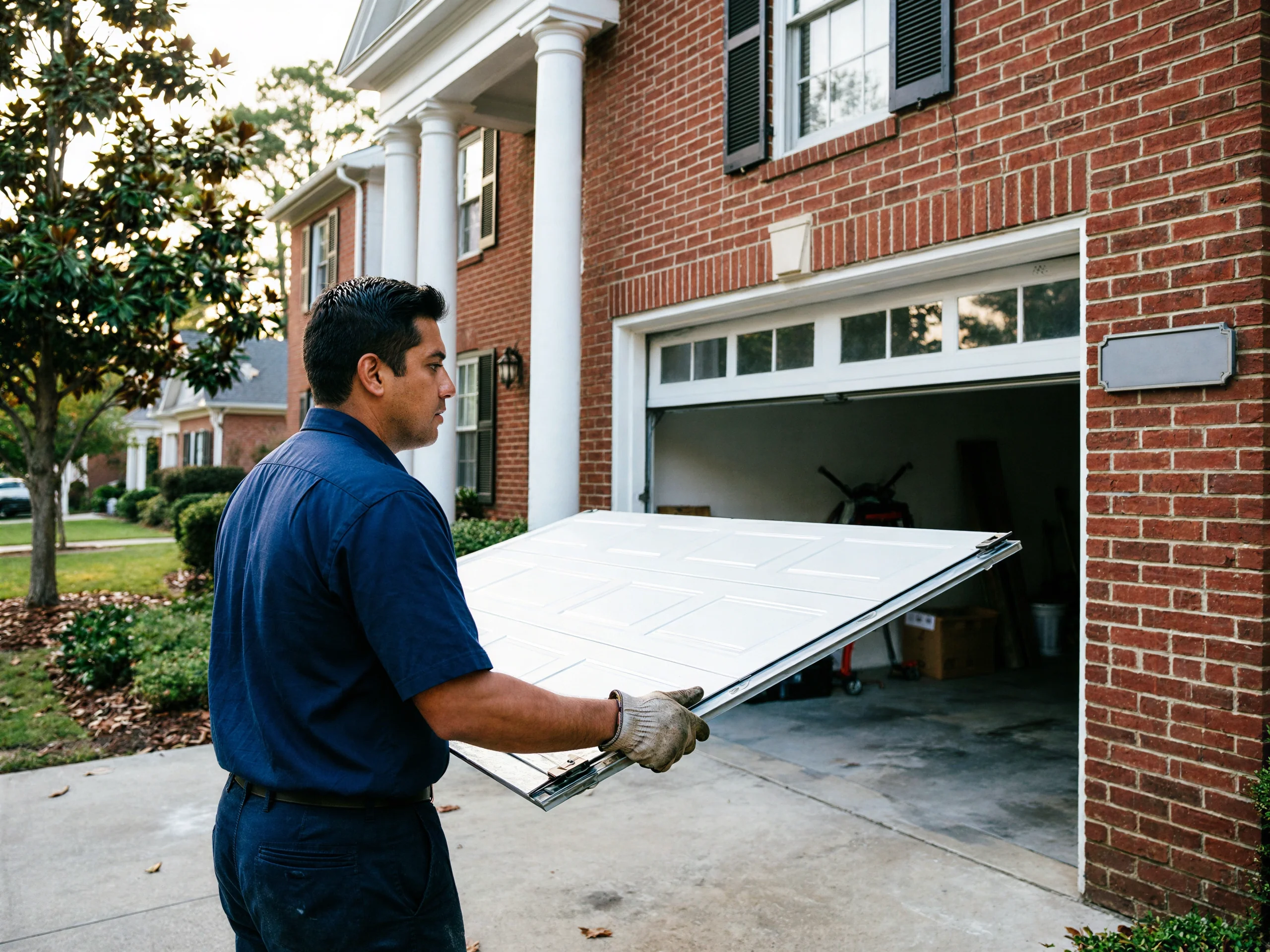
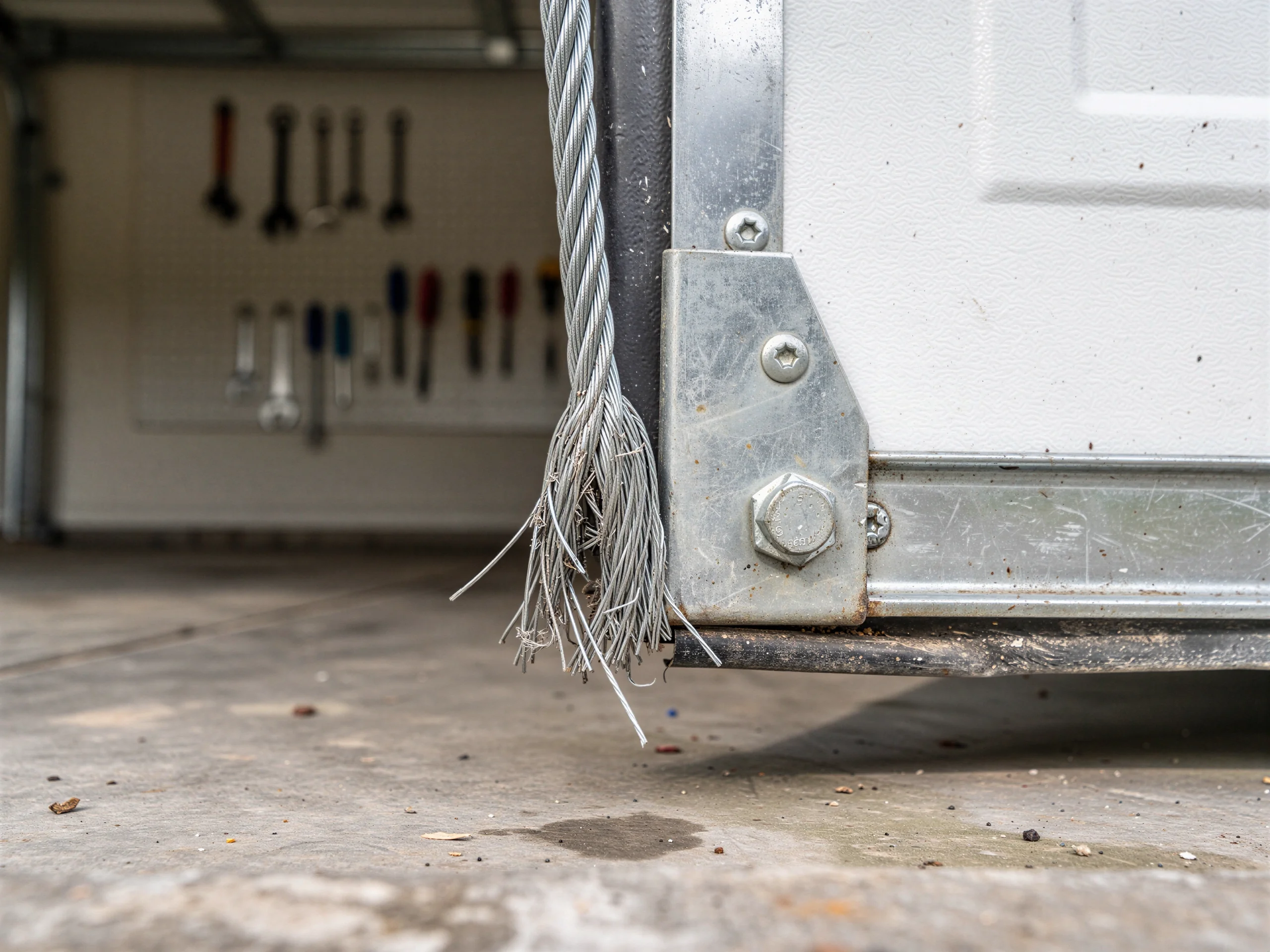
We also run into doors that are structurally fine but have springs or cable sized for a much older, lighter opener - put a modern unit on without checking that, and you'll be back out in six months for a different complaint.
Sight-unseen quotes fail
None of this is exotic work, but it's why opener installation on a house from this era takes longer than the box instructions suggest, and why quoting it sight unseen over the phone is a bad idea for everyone.
Why It Happens Here
Two things drive opener failure across our service area: the age of the housing stock and the climate. With most homes dating to 1955-1998, a huge number of openers are well past the point where parts are easy to source - manufacturers stop stocking boards and gear kits after a certain run, and once that happens, repair stops being the cheaper option. Layer on the climate here, which sits in a cold-moderate band: real winter cold means grease stiffens, metal gears contract, and the extra load on an aging motor is what finally burns it out, usually on the coldest morning of the year rather than a mild one. Across the 19,193 households in our service area, with 11,737 of those owner-occupied houses, this is a pattern we see repeated house after house, not an occasional fluke. It's also why towns in the area - Welcome eight miles out, Spencer at eleven, Advance at twelve - see the same wave of opener calls, since the housing age and winter conditions don't change much from one to the next.
The DIY Question
A lot of homeowners start this job themselves, and the opener part of it - unboxing, mounting the rail, programming remotes - isn't the hard part.
Safety sensor and force setup
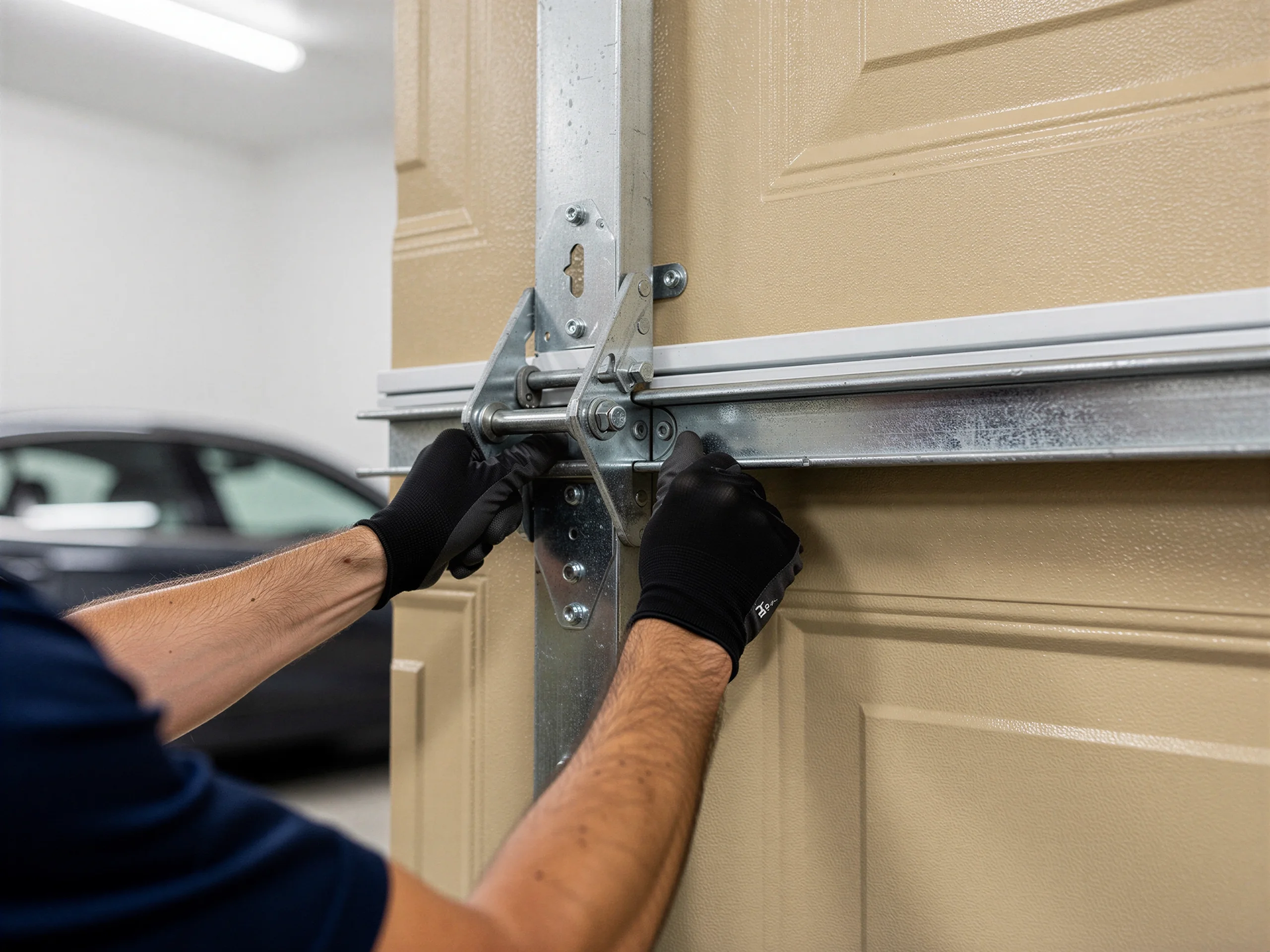
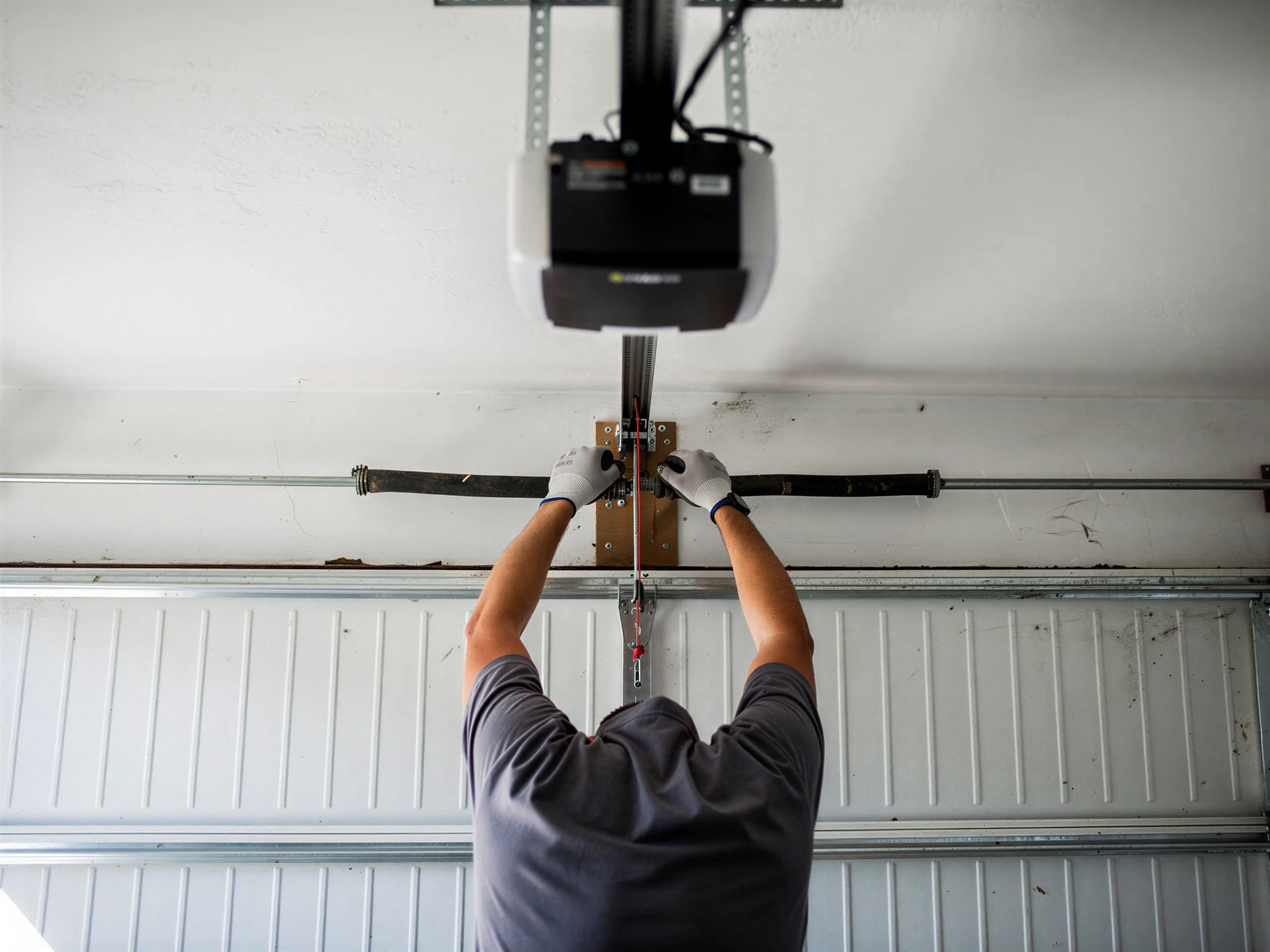
Where it goes wrong is the safety setup: aligning photo-eye sensors so they don't false-trigger, setting force limits so the door doesn't crush something on the way down, and making sure the opener isn't fighting springs that are already worn out.
When DIY install works
We won't pretend every install needs a professional - if your garage already has a dedicated circuit, standard headroom, and a door in good shape, a capable DIYer can get through it. What we won't do is wire a new opener onto a door with a spring system that's clearly near the end of its life, because the opener will take the blame for a failure that started elsewhere.
Door must be sound first
Given median household income in this area runs around $64,562, we understand the instinct to save on labor, but we'd rather tell you upfront what we won't install until the door itself is sound than take the job and have it fail in a month.
Talk to a local pro
Garage door service in Lexington?
Same-day service with honest, upfront quotes.