The Symptom
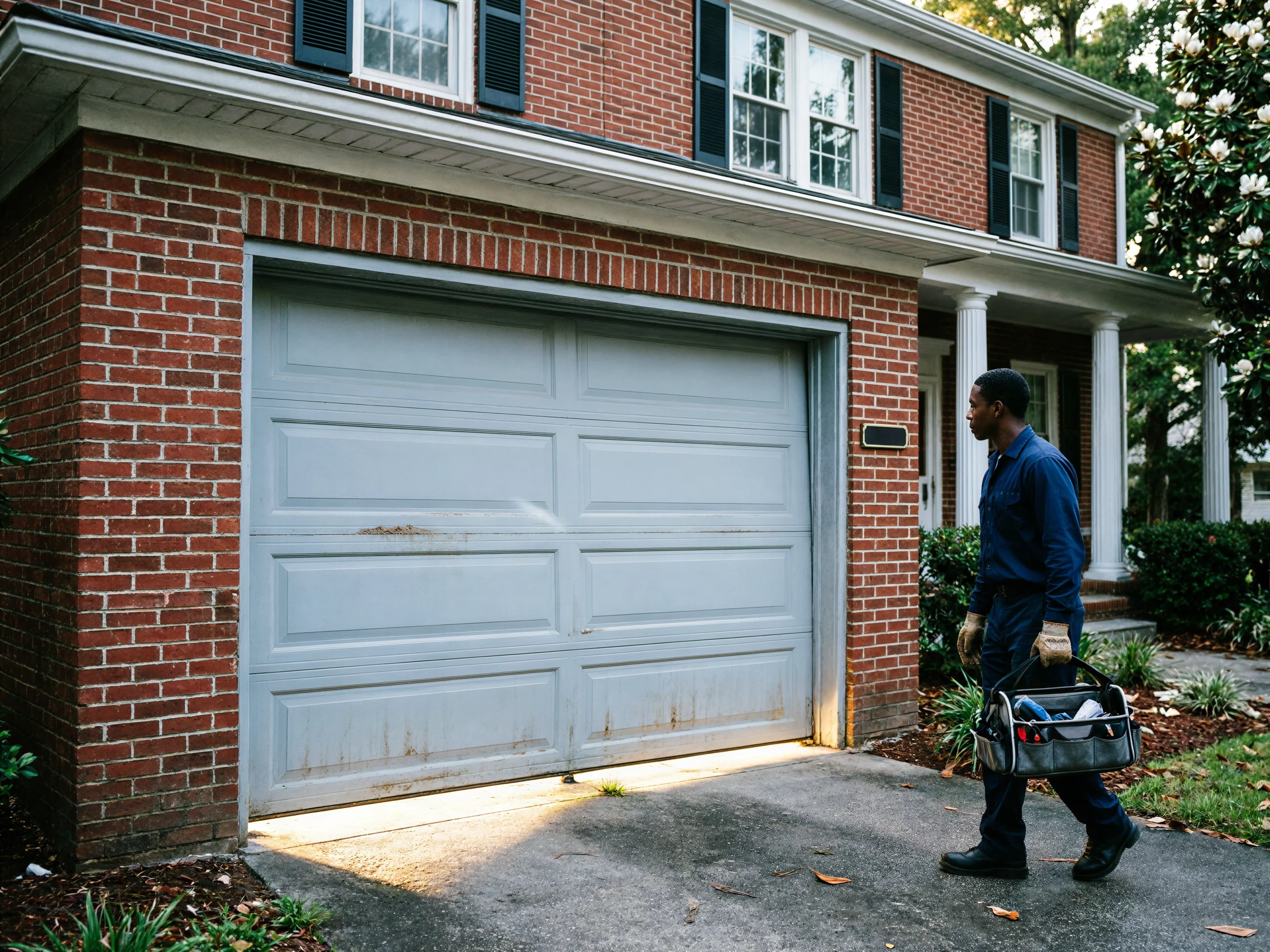
A garage door cable rarely fails without warning, but the warning is easy to miss. You'll notice one corner of the door sitting lower than the other, or the door hanging crooked in the opening when it's halfway up.
Cable jumped off drum
Sometimes a cable has already jumped off the drum and you can see the loose strands wound around the bottom bracket instead of running clean up to the top.
Sudden drop on one side
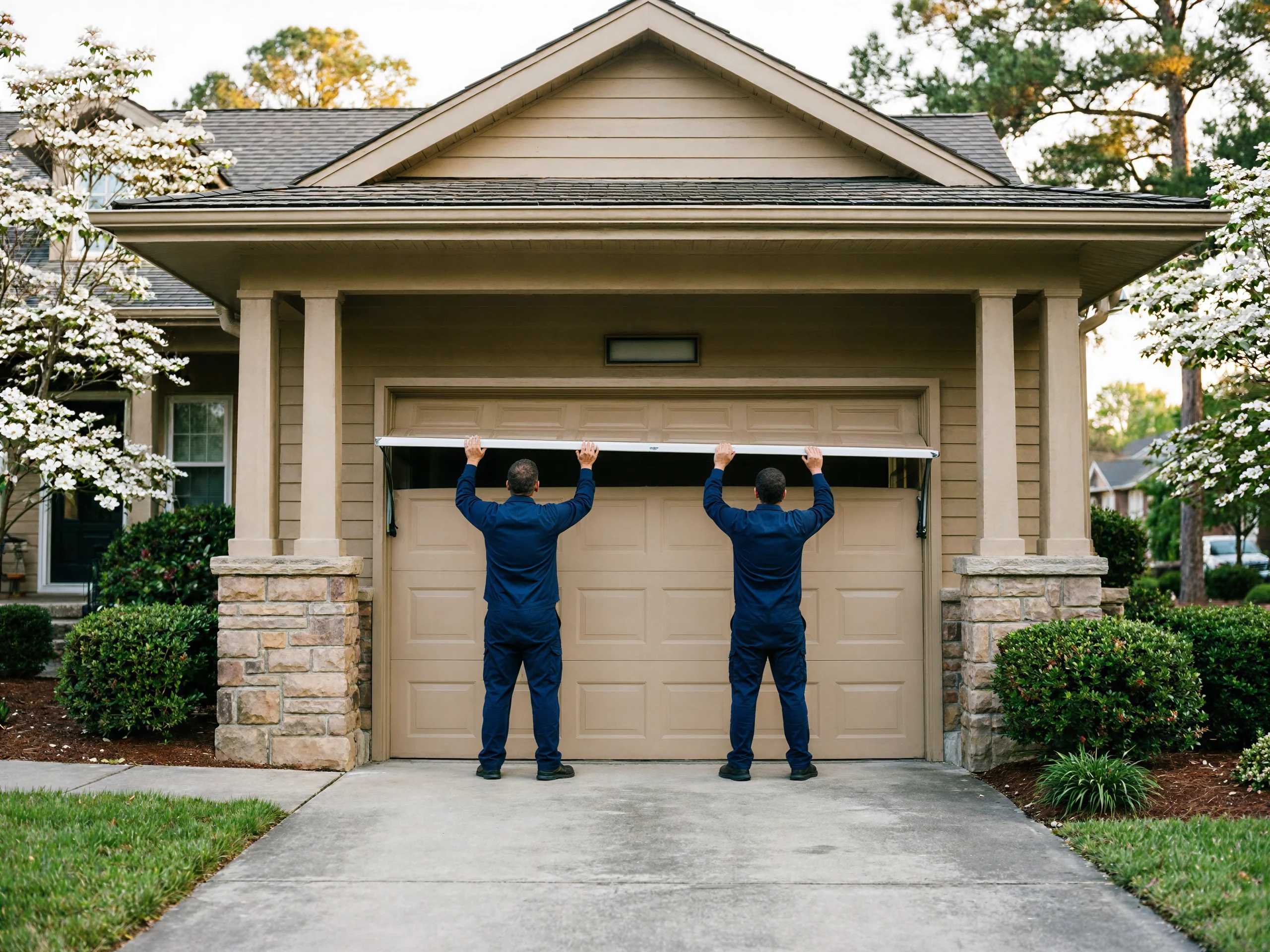
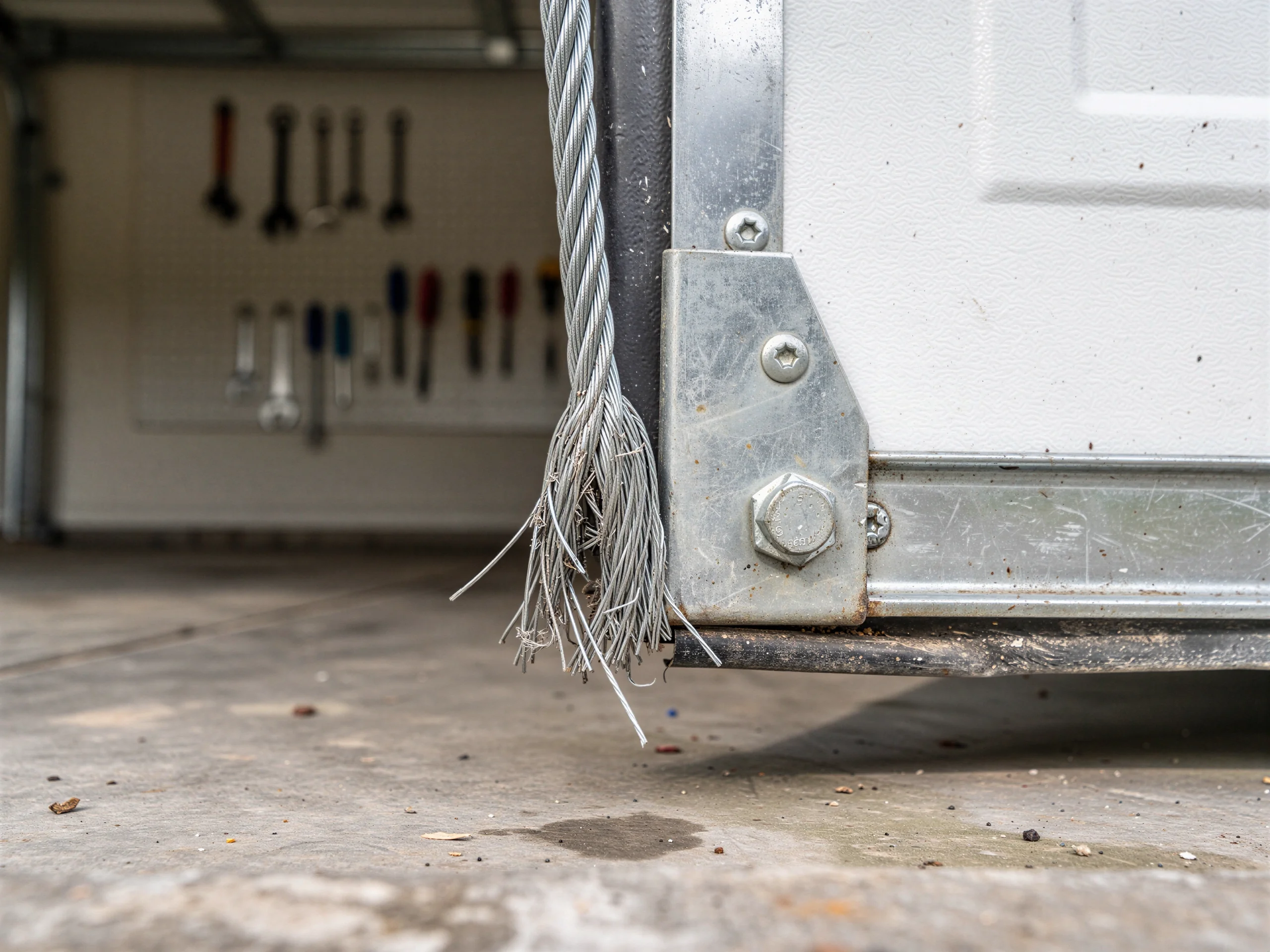
Other times the first sign is a loud pop and the door drops hard on one side, stopping dead because the opener senses the imbalance. If you look at the bottom corners of the door and see frayed, rust-colored strands poking out like a snapped guitar string, that cable is done.
Uneven creep or binding
A door that still opens but creeps up unevenly, or binds against the track on one side, is often running on a cable that's partially unwound and about to let go the rest of the way. None of these are cosmetic problems. A cable under tension that fails completely can let a heavy door fall, and on a two-car door that weight is substantial.
The Complications
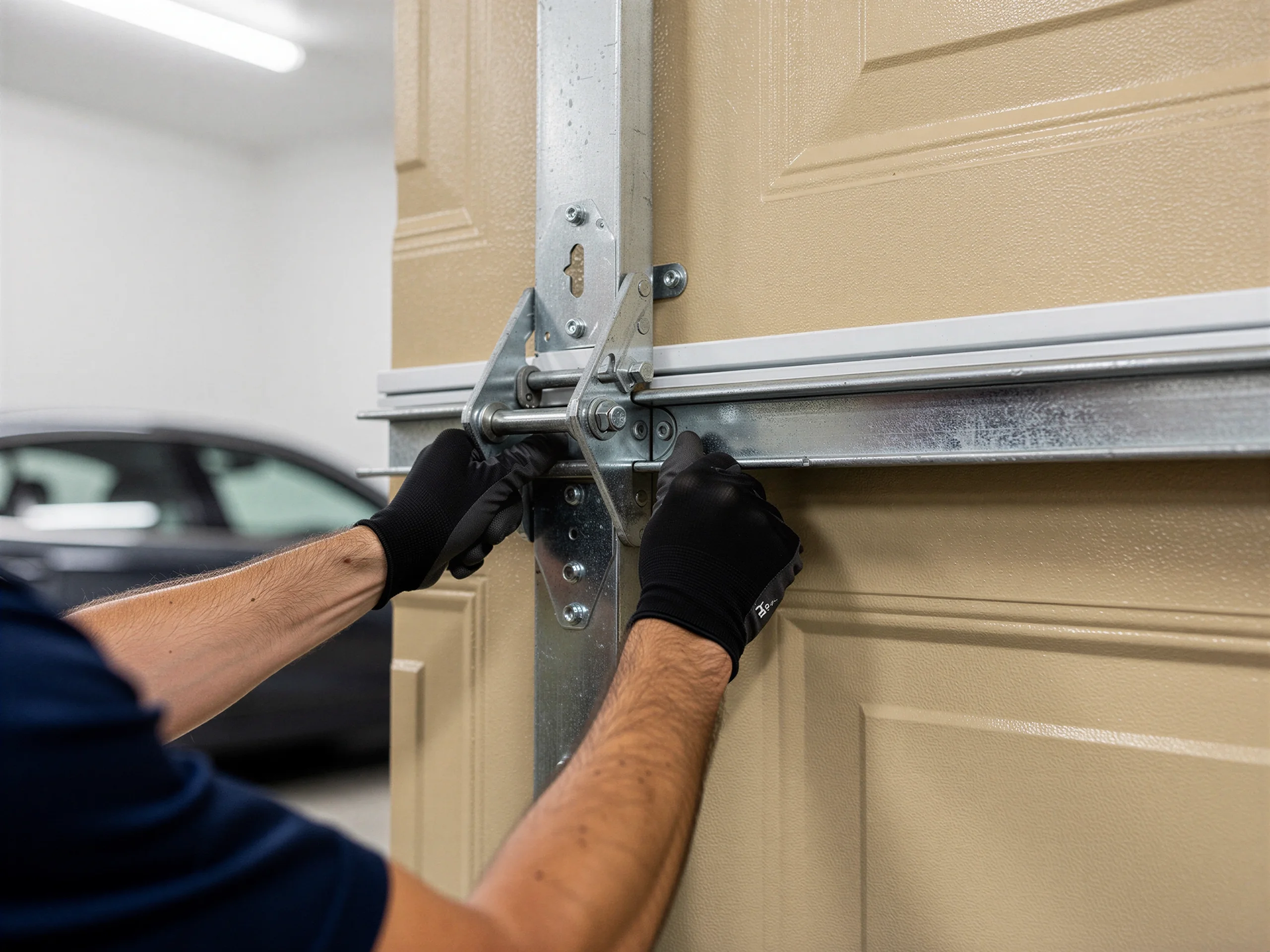
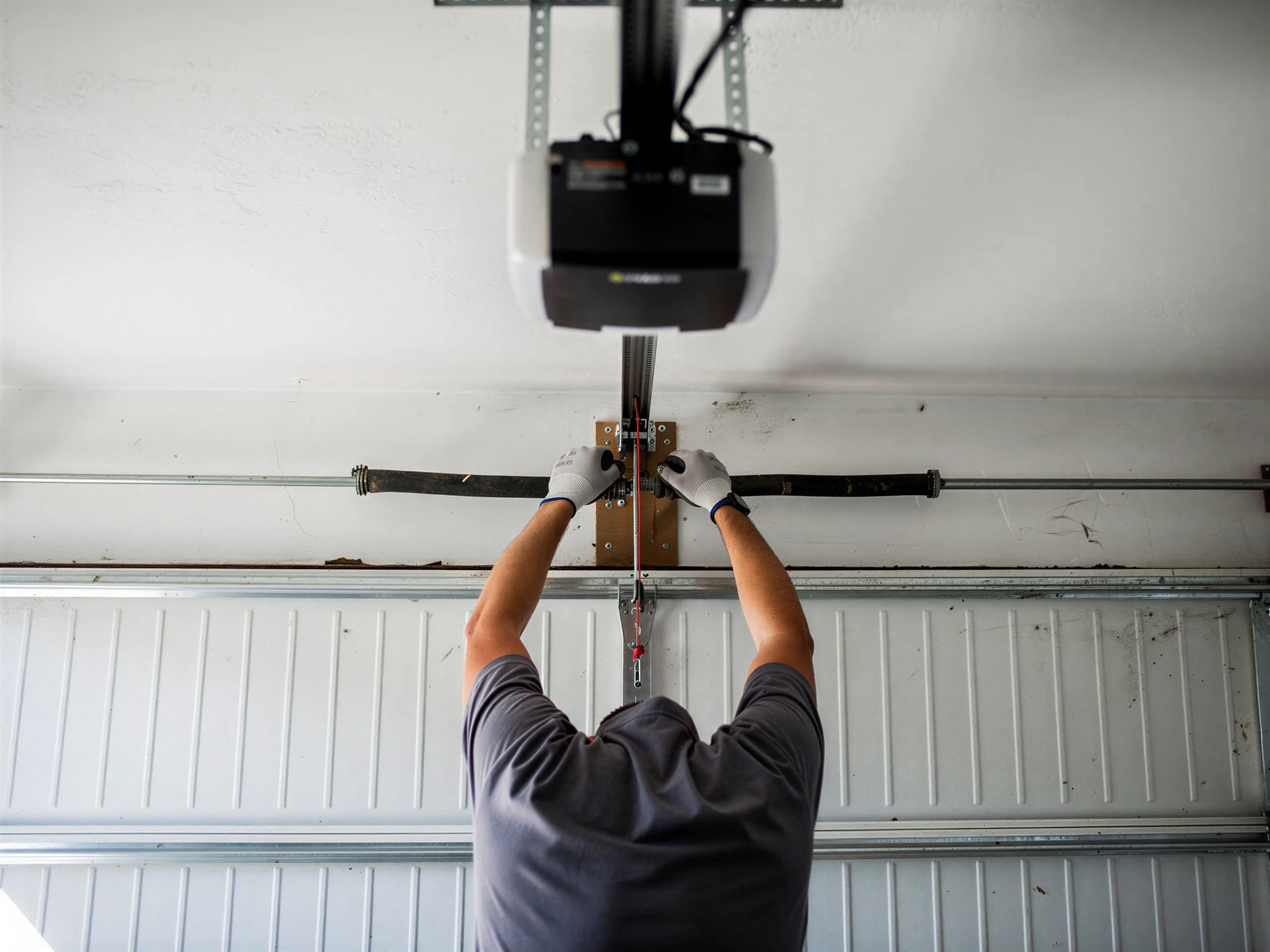
Garage door cables don't work alone. They run off the bottom bracket, up over a drum, and the drum is driven by a torsion spring loaded with a lot of stored tension. Replace one cable without accounting for that tension and you're working next to a spring that can release suddenly. On a two-cable door, the cables are supposed to be matched in length and wear, so swapping one side only and leaving the original cable on the other usually means the door comes back out of adjustment within weeks or months. The drum itself can get grooved or chewed up if a cable has been slipping for a while, which means the fix isn't always just the cable. If the bottom bracket that anchors the cable has shifted or the roller on that side is seized, the cable takes the extra load and fails faster the next time. A cable repair that only replaces the cable and ignores the drum, bracket, and spring tension around it is a repair that doesn't last.
Why It Happens Here
Most of the housing across this service area went up between 1955 and 1998, with the median landing around 1983, and the twelve named areas we cover are mostly 1980s and 90s stock. Doors and openers installed when those houses were built are long past their expected service life, and the original galvanized lifting cables on them have been through decades of temperature swings. Lexington sits in a cold-moderate climate band, so those cables see repeated freeze-thaw cycling every winter - moisture gets into the strands, the steel corrodes from the inside out, and the cable loses tensile strength well before it looks obviously worn from the outside. Across the 19,193 households in this service area, 11,737 are owner-occupied houses, which means a lot of garages with a cable that's twenty, thirty, even forty years past its original install date. That combination - older housing stock and a climate that doesn't let steel cable age gracefully - is why cable failure shows up here as a routine call rather than a rare one.
The DIY Question
A broken cable looks like a small fix: one strand of wire, a couple of bolts. It isn't, and this is the one place on a garage door job where we'd rather talk you out of doing it yourself than take the call.
Torsion tension injury risk
The cable is attached to a system under torsion spring load, and releasing or resetting that tension without the right bars and clamps is how people get hurt - not maybe, regularly. We also won't pretend every repair is worth doing.
When replacing beats patching
If the drums are gouged, the bottom brackets are bent, or the door is old enough that parts for that specific model are hard to source, replacing the hardware sometimes costs less in the long run than patching cable after cable.
Straight repair-versus-replace answer
With a median household income around $64,562 across the area, most owners we talk to want a straight answer on repair versus replace rather than a sales pitch either way, and that's the answer we give. If you can see a frayed or slipped cable, the safe move is to leave the door down, keep the opener off, and get someone out to look at the spring and drum along with the cable itself.
Talk to a local pro
Garage door service in Lexington?
Same-day service with honest, upfront quotes.