
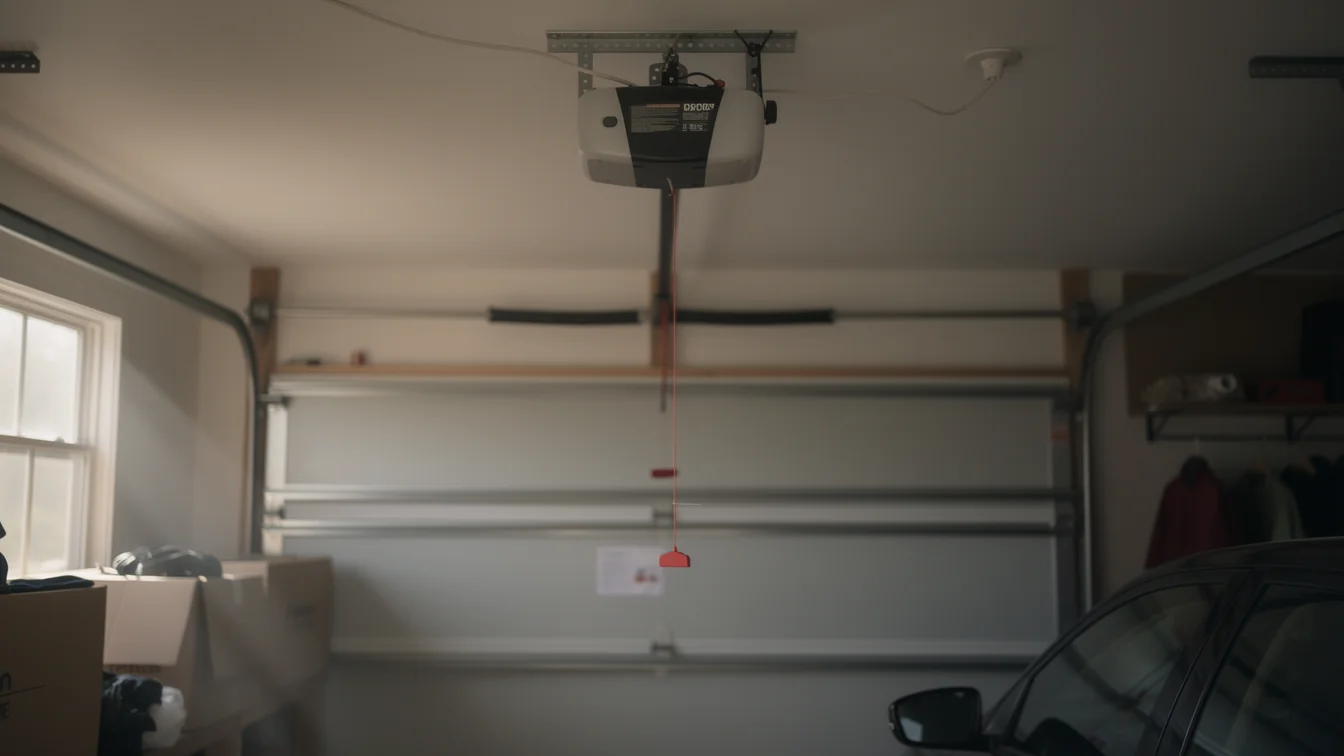
What Opener Failures and Power Cuts Look Like in Lexington Homes
Lexington homes built mostly between 1955 and 1998 see opener failures and power cuts differently than newer builds.
Read moreBlogLexington, NC · 5 min read
Lexington Garage Door Pros explains which noises actually mean trouble on the torsion-spring doors common in Lexington, NC homes built between 1955 and 1998.
Local detail
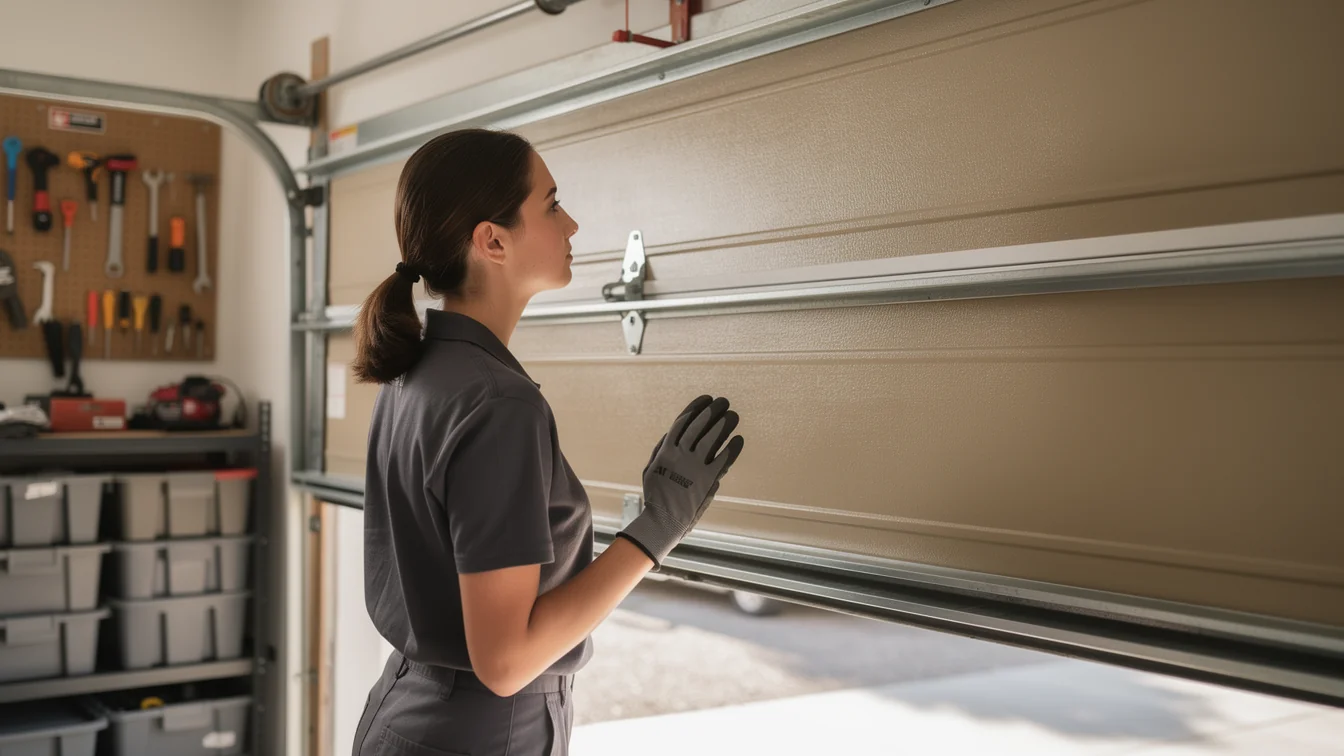
Start by watching the door move, not just listening to it. A clean hum with a soft thud at the top and bottom is normal. A rhythmic clack that speeds up as the door closes usually means a roller riding rough in the track, not a spring problem. A sharp metallic pop, once, followed by the door refusing to lift - that's a spring letting go, and you stop right there and call someone, because a door with a broken torsion spring is being held up by the opener motor alone, and that motor will burn out trying.
Houses built between 1955 and 1998 median 1983 in the Lexington area often still run original torsion hardware that groans before it fails. If your door is from that era and it's started making a low groan on the way up, that's metal fatigue talking, not a loose bolt. Grease the rollers and hinges with a garage-door-specific lubricant, not WD-40, which washes grease out rather than adding it. If the noise is coming from the opener chain or belt, a drive-gear tightening or a rail adjustment is a reasonable DIY job. If it's coming from the springs or cables, it is not. We don't recommend owners touch torsion spring tension themselves - the wind-up force involved has put people in the hospital.
The area
We're not going to list a number here that isn't backed by a quote, because what a noise actually costs to fix depends on what's making it and how old the hardware is. What we can tell you is what drives the cost up or down. A roller swap or a track realignment is a short visit. A spring replacement on a door running original 1980s or 90s hardware often means the matching spring isn't sitting on a shelf anywhere nearby, because that stock turned over to different wire sizes years ago - we may need to order the right gauge rather than force a close-enough substitute onto an old shaft.
With 11,737 owner-occupied houses across this service area, a lot of them going up in the 1980s and 90s, the springs you hear are frequently original. That age is the single biggest driver of cost difference between two houses with the identical noise. One homeowner's clicking opener needs a $20 part. Another's needs the whole torsion assembly because the shaft itself has worn oval where the spring sits. We diagnose before we quote, and if a repair isn't worth it against a full replacement, we'll say so rather than patch something that'll be back in your driveway next winter.
What we find
Lexington Garage Door Pros works a service area with roughly 19,193 households and a median household income of $64,562, which tells you something about the kind of calls we get: owners who want the actual cause explained, not a guess, before they spend money. Across the 12 named areas we work, from Welcome to Archdale, the housing stock runs the same narrow band of age - built mostly between 1955 and 1998, with the bulk going up in the 1980s and 90s.
That matters for noise calls specifically because a door's age tells you what to expect before you even hear it run. A door from the 1980s is old enough that its springs have likely been cycled past their rated life, and old enough that the hardware isn't a direct match for what's sold today. A household here earns a median $64,562, which is part of why most owners want us to diagnose the noise before replacing anything outright, rather than swap the whole unit on a guess. We see the full range, from houses just outside town near Welcome and Spencer to the newer pockets closer to Wallburg and Bermuda Run, and the noise complaints track the build year more than anything else.
How we work
This area sits in a cold moderate climate band, and that matters more to a garage door than most owners expect. Steel contracts in winter. A track that was bolted plumb in July can pull a hair out of alignment by January, enough that a roller starts catching the edge of the rail instead of riding the center. Cold winters here tighten steel cable and track clearances, so a door that was silent in August can start clicking in January, and that same door can go quiet again by May without anyone touching it.
The same goes for spring tension. Steel springs lose a small amount of elasticity in cold weather, which means a door that lifted smoothly all summer can feel like it's working harder, or make a faint groan at the top of its travel, once temperatures drop. It's not the opener weakening - it's the spring doing the same job with colder, stiffer steel. If you notice your door getting noisier every winter and quieter every spring, that's a seasonal pattern worth mentioning when you call, because it points us toward track alignment and spring tension before we even open the garage.
Questions
That's almost always a torsion spring breaking. The bang is the coil snapping, and once it's gone, the opener is lifting the full weight of the door on its own, which it isn't built to do. Don't run the opener again. Call for a spring replacement rather than trying to force the door up by hand or motor.
This area sits in a cold moderate climate band, and steel track and cable tighten slightly as temperatures drop. A door that's quiet all summer can develop a click or catch once it's cold, simply from reduced clearance, not necessarily damage. We check alignment and spring tension together on these calls.
Depends on what's making the noise. If it's rollers or lubrication, repair it and move on. If the spring is original to a door from that era and the shaft or track shows wear, you're often better off replacing the assembly rather than patching a system near the end of its service life. We'll tell you which situation you're in before quoting.
Recommendation
More garage door guides for Lexington homeowners.
Lexington homes built mostly between 1955 and 1998 see opener failures and power cuts differently than newer builds.
Read more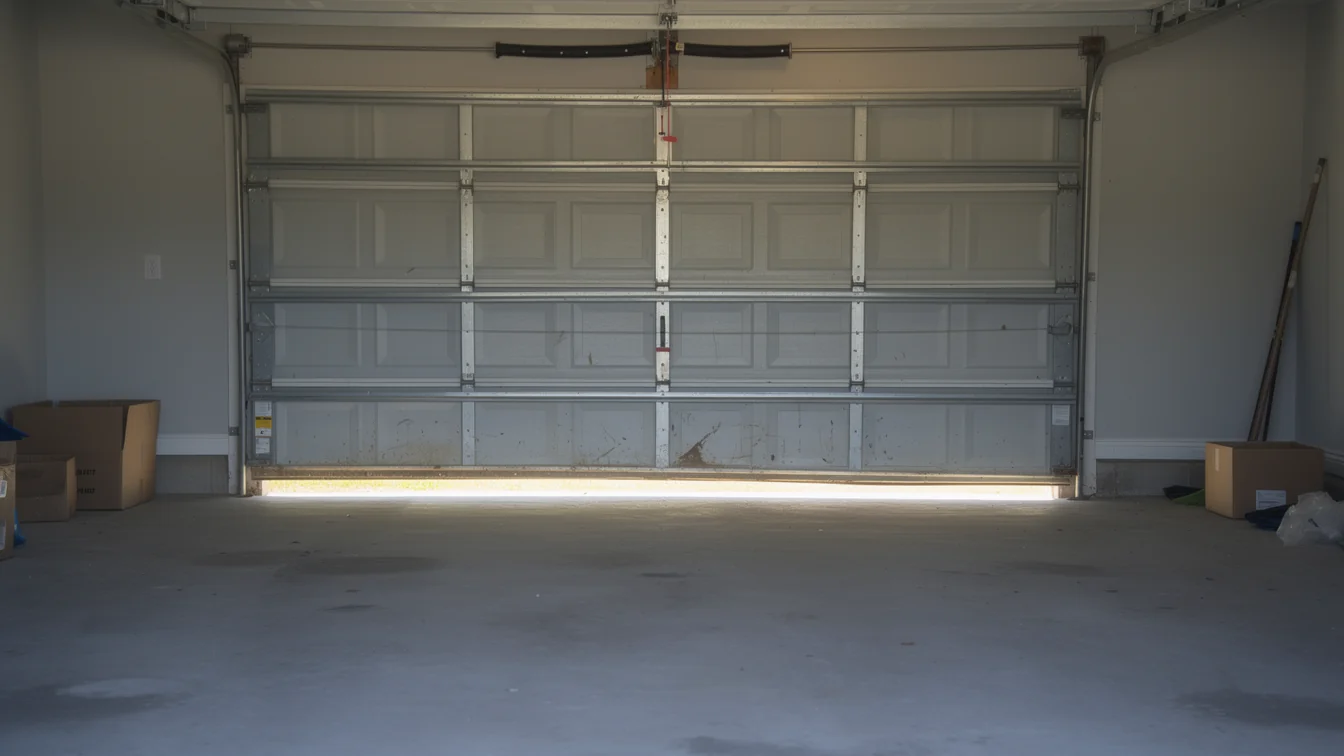
Garage door repair in Lexington, NC, built around the 1955-1998 housing stock and cold-moderate winters that work on steel panels and torsion springs here.
Read more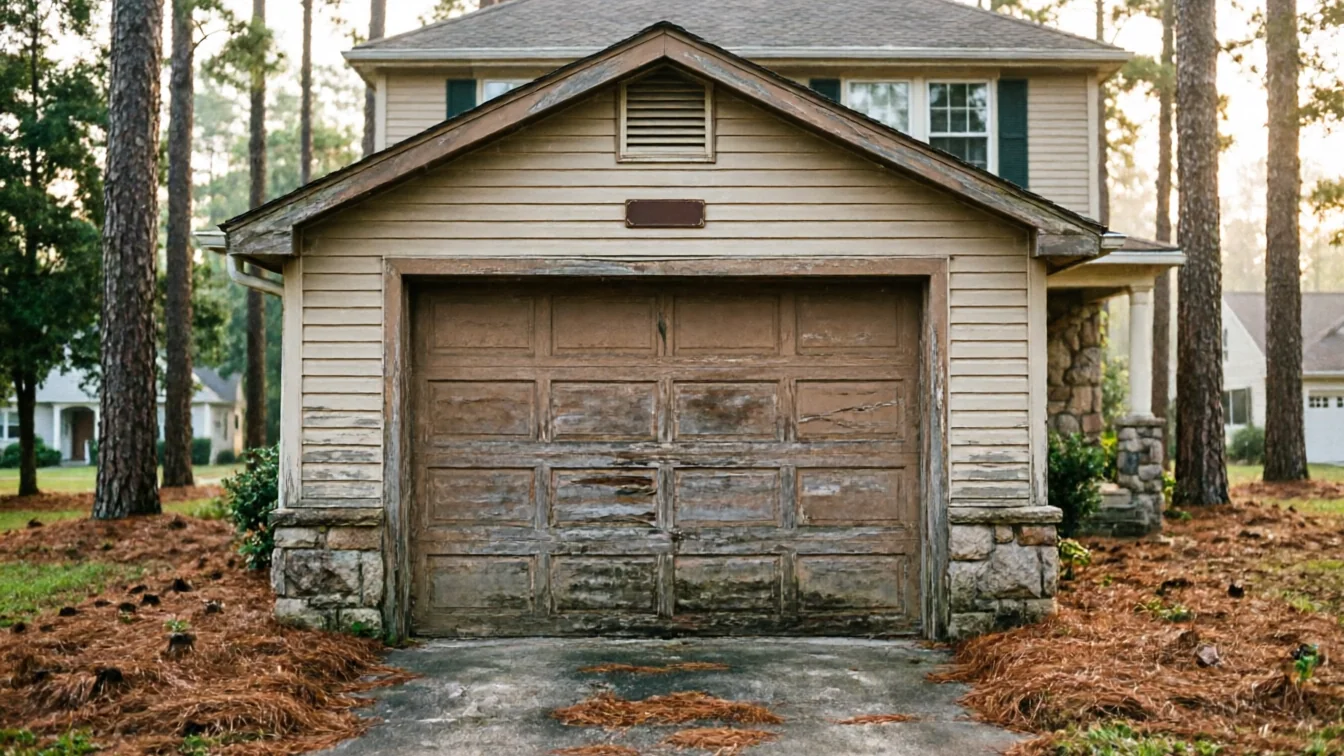
Lexington homes built 1955-1998 have doors and openers from a specific era.
Read moreReady when you are
Lexington Garage Door Pros repairs and installs garage doors, springs and openers in Lexington, NC and the surrounding area.