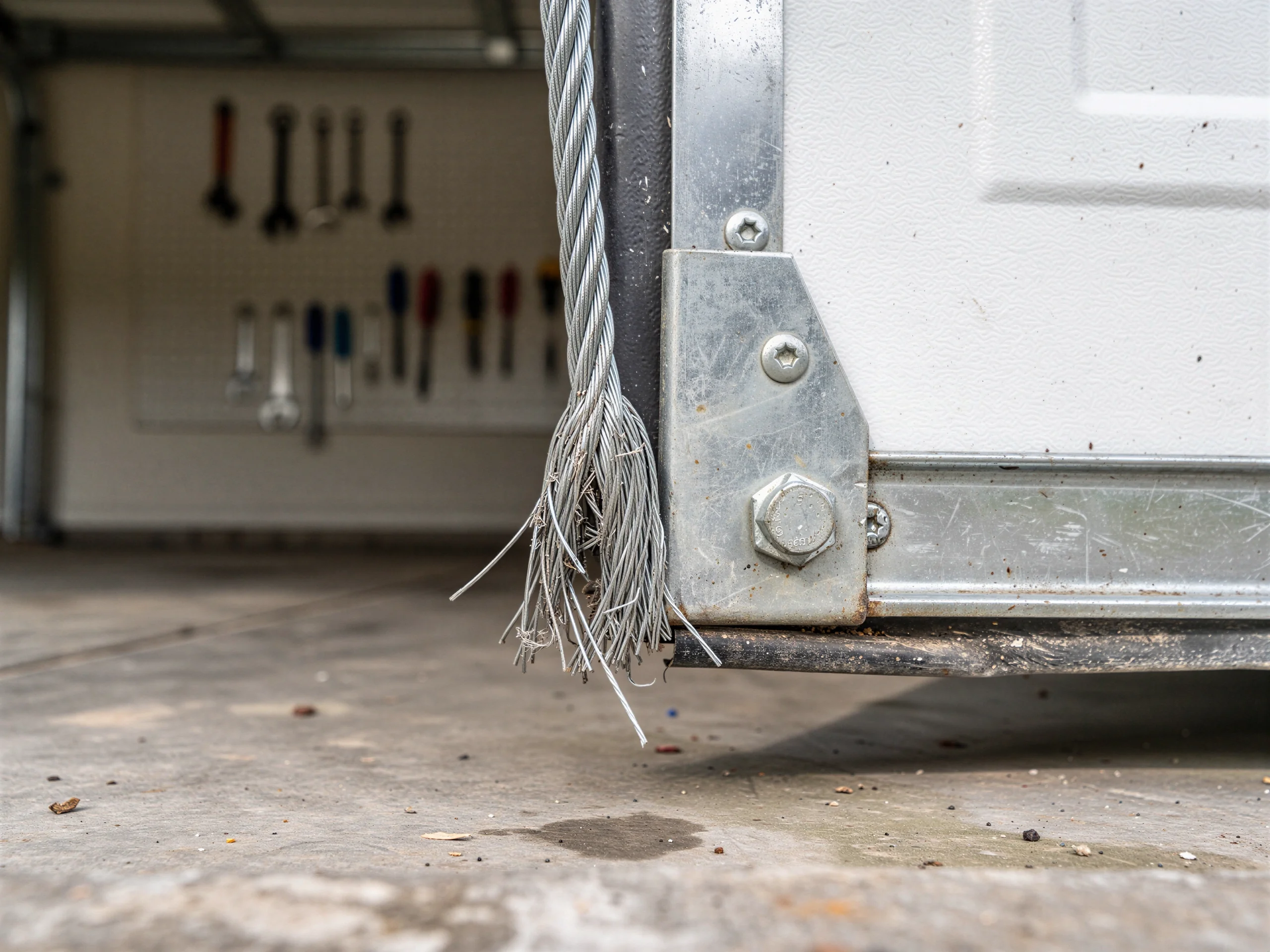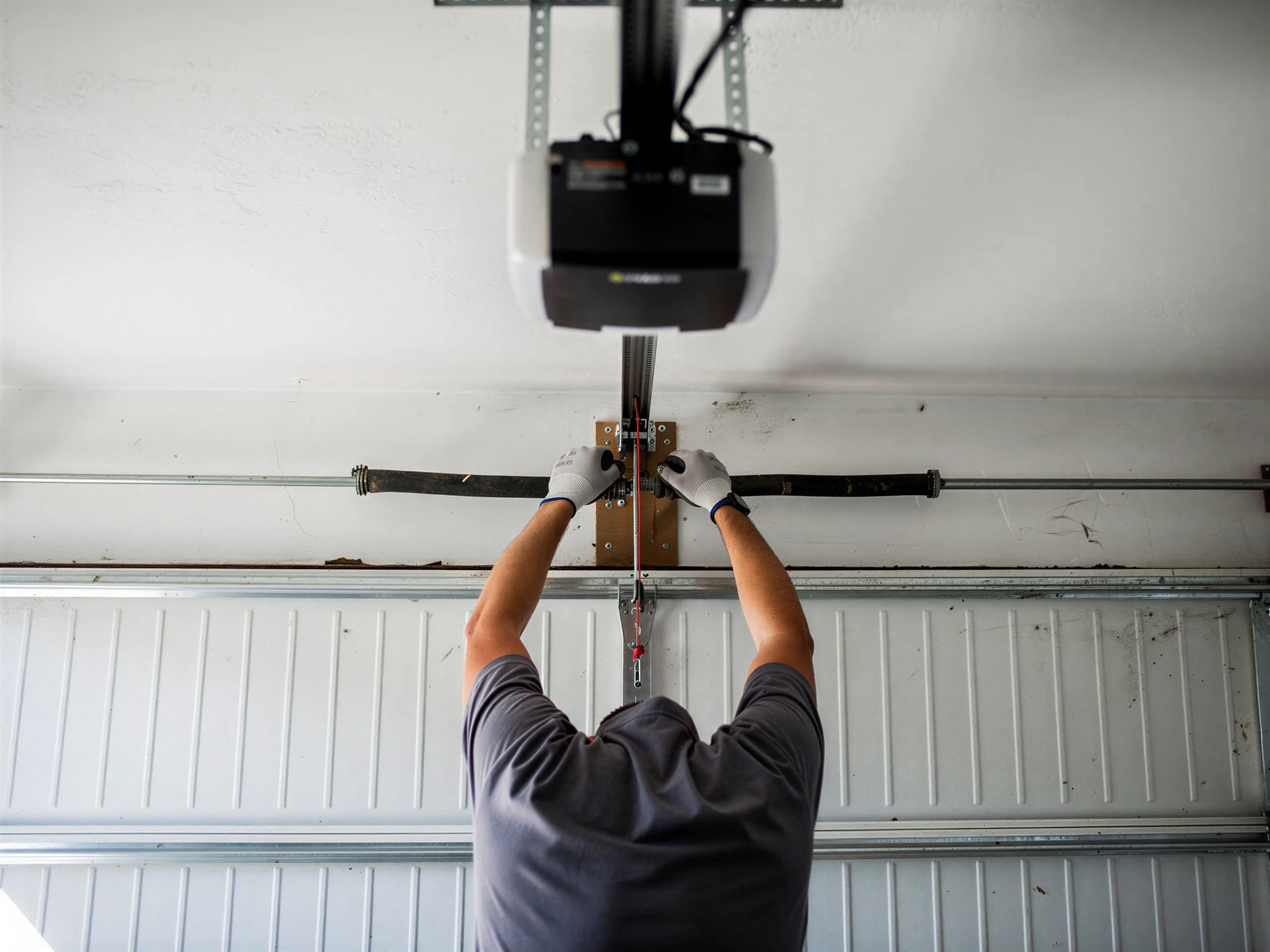
The Symptom
The opener hums but the door doesn't move. Or it moves a foot and reverses. Or the remote works from the driveway but not from the street, and the wall button only works if you hold it.
Completely silent opener
Sometimes it's just dead silent when you hit the button, no light, no hum, nothing. These aren't the same problem even though they feel the same standing in the driveway. A unit that reverses before the door seats is reading a false obstruction, usually at the limit switch or the force setting.
Capacitor or breaker fault
A unit that's gone fully silent is more often a dead capacitor on the circuit board or a tripped breaker upstream of it. A remote range problem is almost never the remote - it's the antenna wire on the opener head, which gets nicked or left dangling more often than it should.
Big-box openers wear out
Across the households we see in this service area - and we're working from roughly 11,737 owner-occupied houses in the territory - the opener itself is rarely original equipment. Chain and belt drive units from the big box stores typically get replaced once, sometimes twice, over a house's life, and the failure patterns shift depending on which generation of opener is on the ceiling.
The Complications
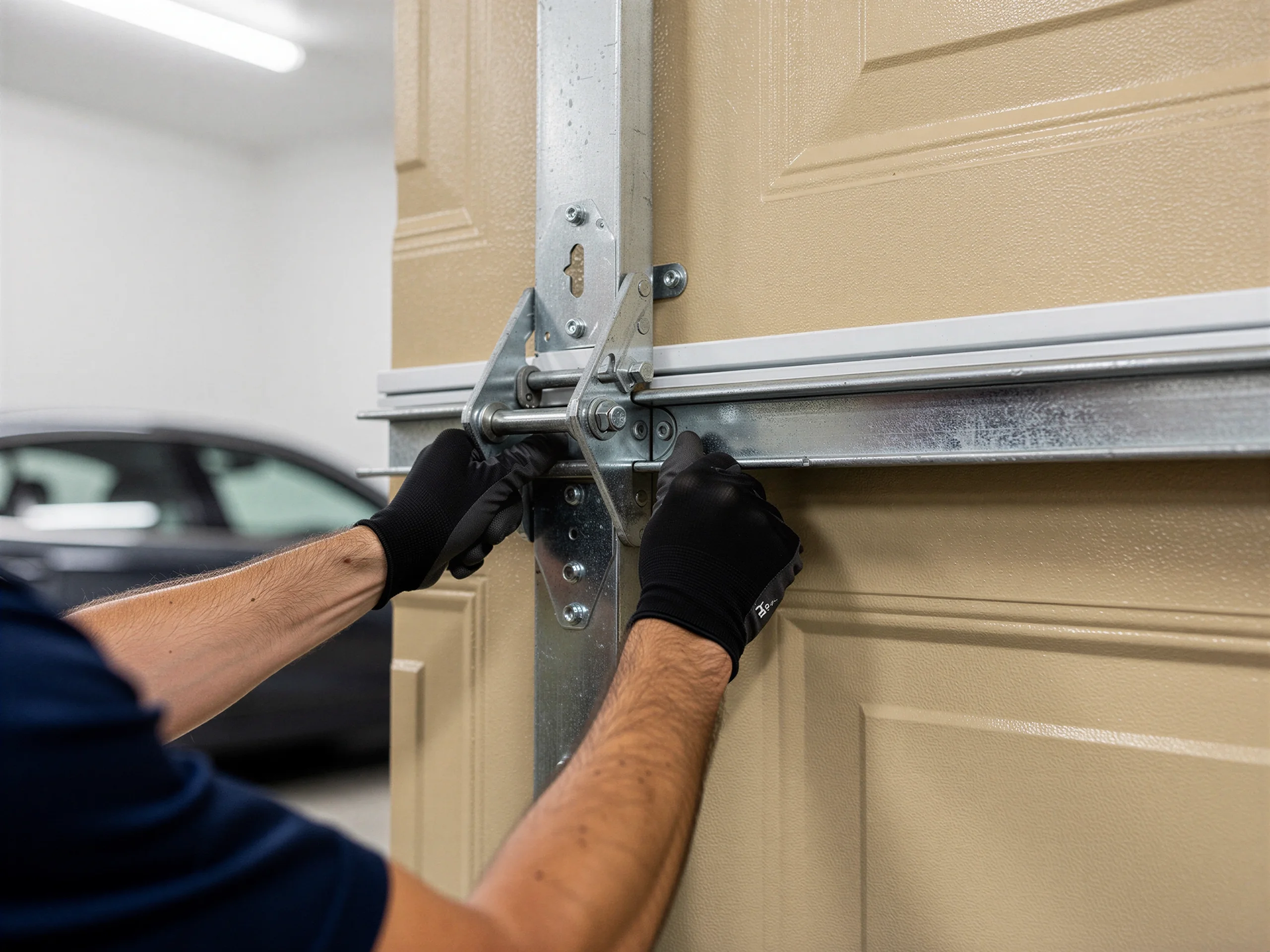
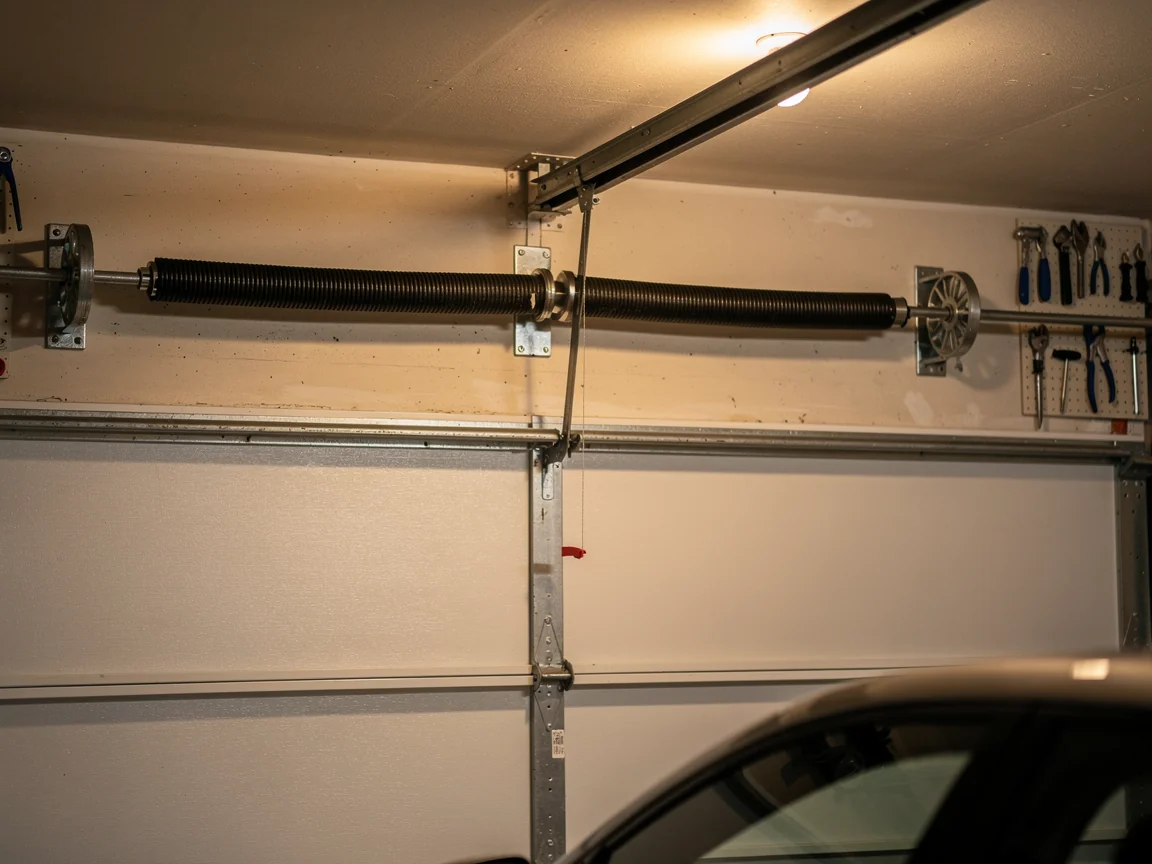
A bad opener rarely travels alone. If the door is heavy to lift by hand with the opener disconnected, the springs are carrying less than they should, and the opener has been straining to cover for it - that's why force settings keep needing adjustment and why a motor burns out early.
Skipping spring check
Replacing the opener without checking spring tension just buys you a second service call in a year. Wiring is the other complication, especially on the older end of the housing stock in this area, where homes built in the 1955-1998 range (median around 1983, per F1) sometimes still run opener circuits off shared or undersized wiring from a remodel decades back.
Old wiring nuisance trips
A new opener on old wiring can nuisance-trip or behave erratically in ways that look like a motor fault but aren't. Safety sensor alignment is the third one.
Bumped sensors misalign
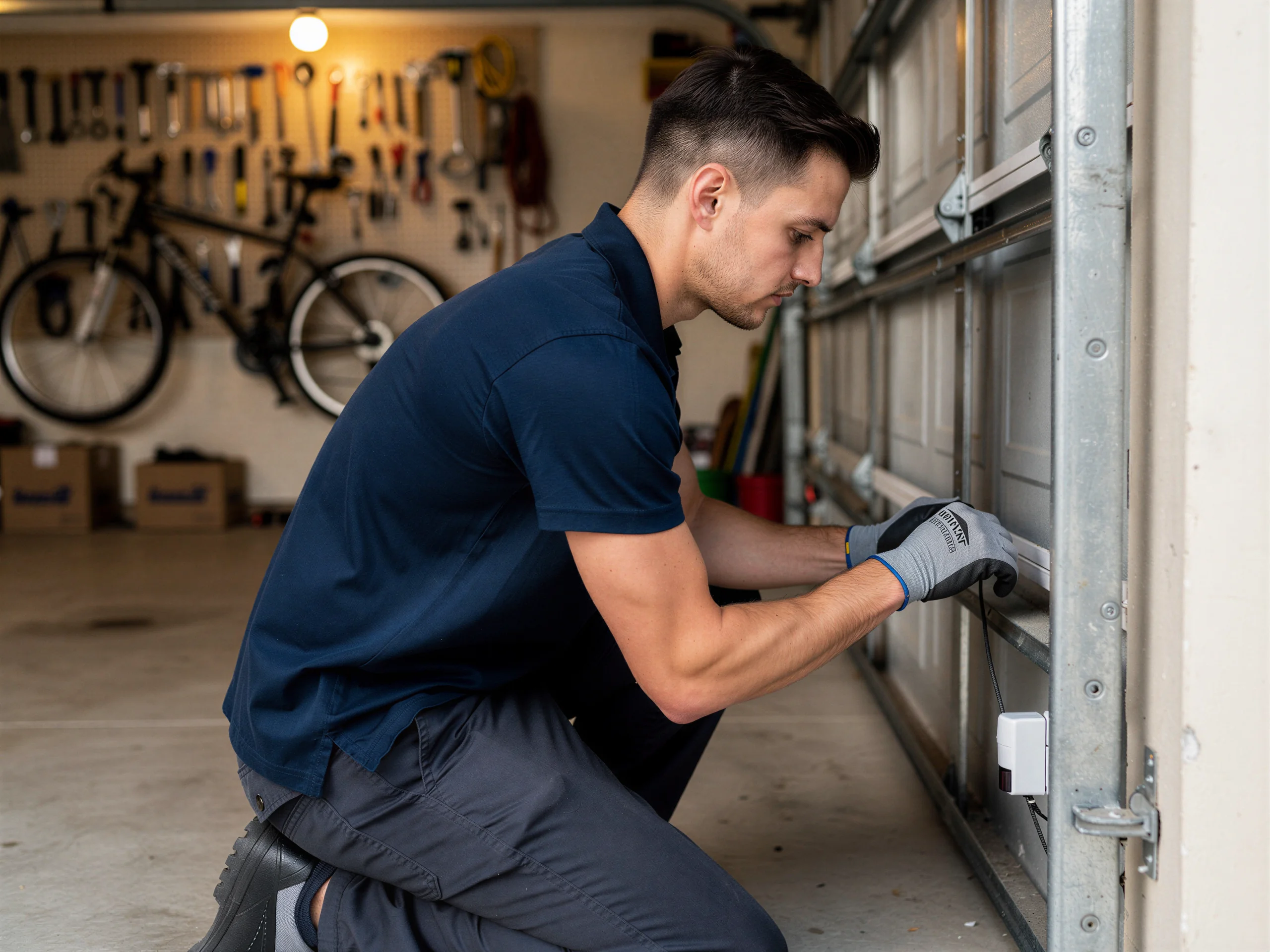
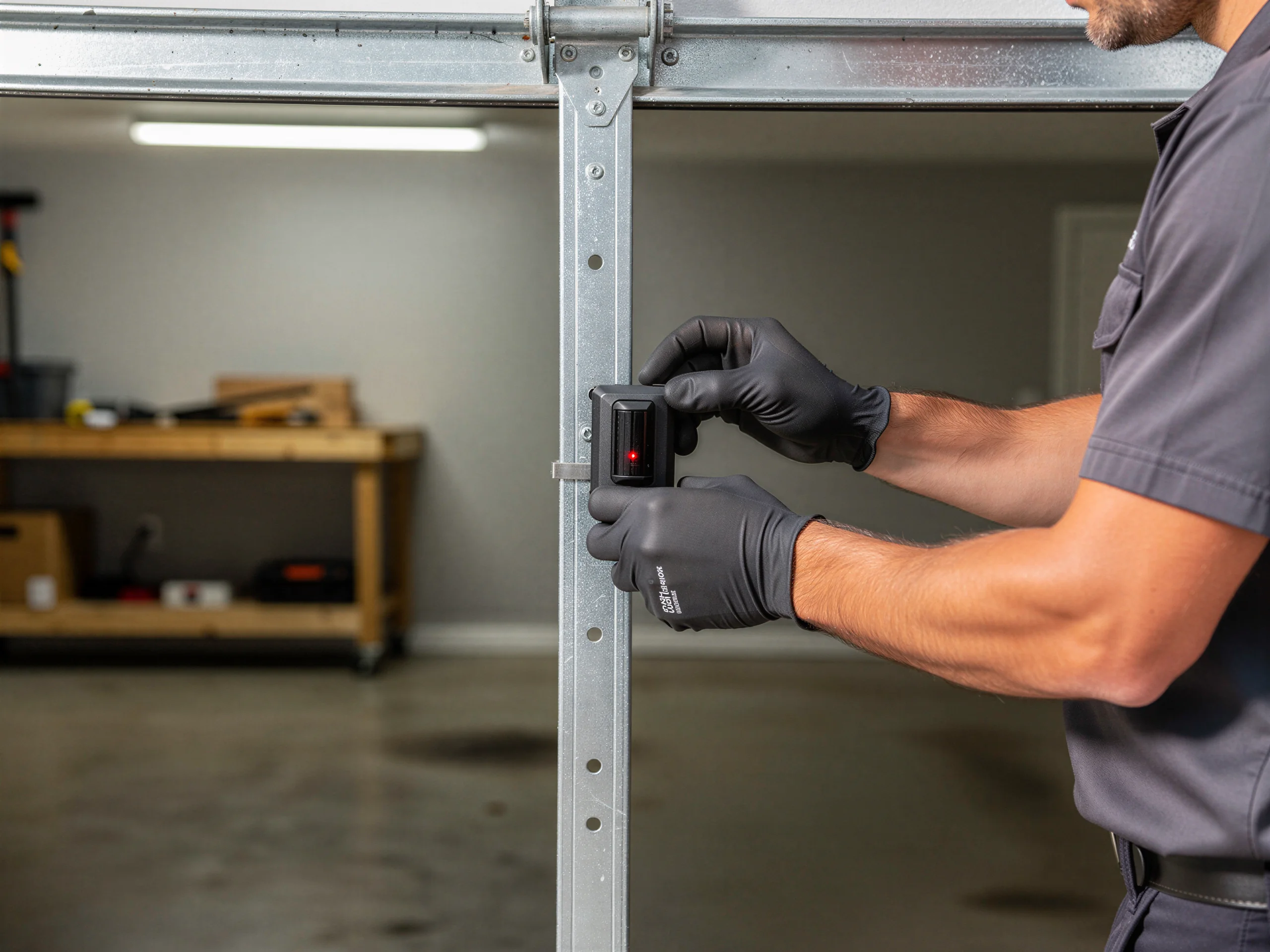
The photo-eye sensors near the floor track get bumped by a bike, a trash can, a parked car's bumper - and once they're out of alignment by even a little, the opener refuses to close or reverses on a dime. It's a five-minute fix once you know to look there, but most people replace the whole opener before they ever check the sensors.
Why It Happens Here
The service area's housing stock skews toward 1980s and 90s construction across the twelve named communities we cover, which puts a lot of openers and garage hardware right at or past the age where chain drives wear out and circuit boards start failing from heat-cycling. A unit installed when a house was built in 1985 has had close to forty years of summer attic heat above the garage ceiling and winter cold below it.
That swing matters because this area sits in a cold-moderate climate band - not brutal winters, but real freeze-thaw cycles. Metal contracts in the cold, grease stiffens, and an opener that was already marginal on force or alignment will show it first on the coldest mornings of the year. We get more opener calls in a cold snap than in mild weather, and it's not coincidence - it's old grease and worn gears meeting lower temperatures at the same time.
Households across the roughly 19,193 in the territory are running a mix of opener ages and brands, which is why we don't walk in assuming one fix. A 1990s chain drive and a ten-year-old belt drive fail differently, even with the same symptom on the surface.
The DIY Question
Some of this is fair to check yourself before calling anyone. Clean the photo-eye lenses with a soft cloth, check that nothing's blocking the beam, and make sure the opener is plugged into a working outlet - breakers trip more than people expect.
Quick dead-opener checks
Those three checks solve a surprising number of "dead opener" calls for free. What's not worth DIY-ing: force setting adjustments on a door with weak or unbalanced springs, because you can mask a spring problem until the door drops suddenly.
Board is model-specific
And circuit board replacement isn't a parts-store afternoon project - boards are opener-model specific, and the wrong one won't fit or won't wire in safely. Here's the honest limit on our end: if an opener is old enough that the manufacturer has stopped making boards or logic kits for it, we'll tell you that up front rather than chase parts that don't exist anymore.
Replacement over endless repairs
At that point replacement is the real answer, not repair, and we'd rather say so than bill you for a search that goes nowhere. Given the age of a lot of openers in this area's housing stock, that conversation comes up more than you'd think.
Talk to a local pro
Garage door service in Lexington?
Same-day service with honest, upfront quotes.