The Complications
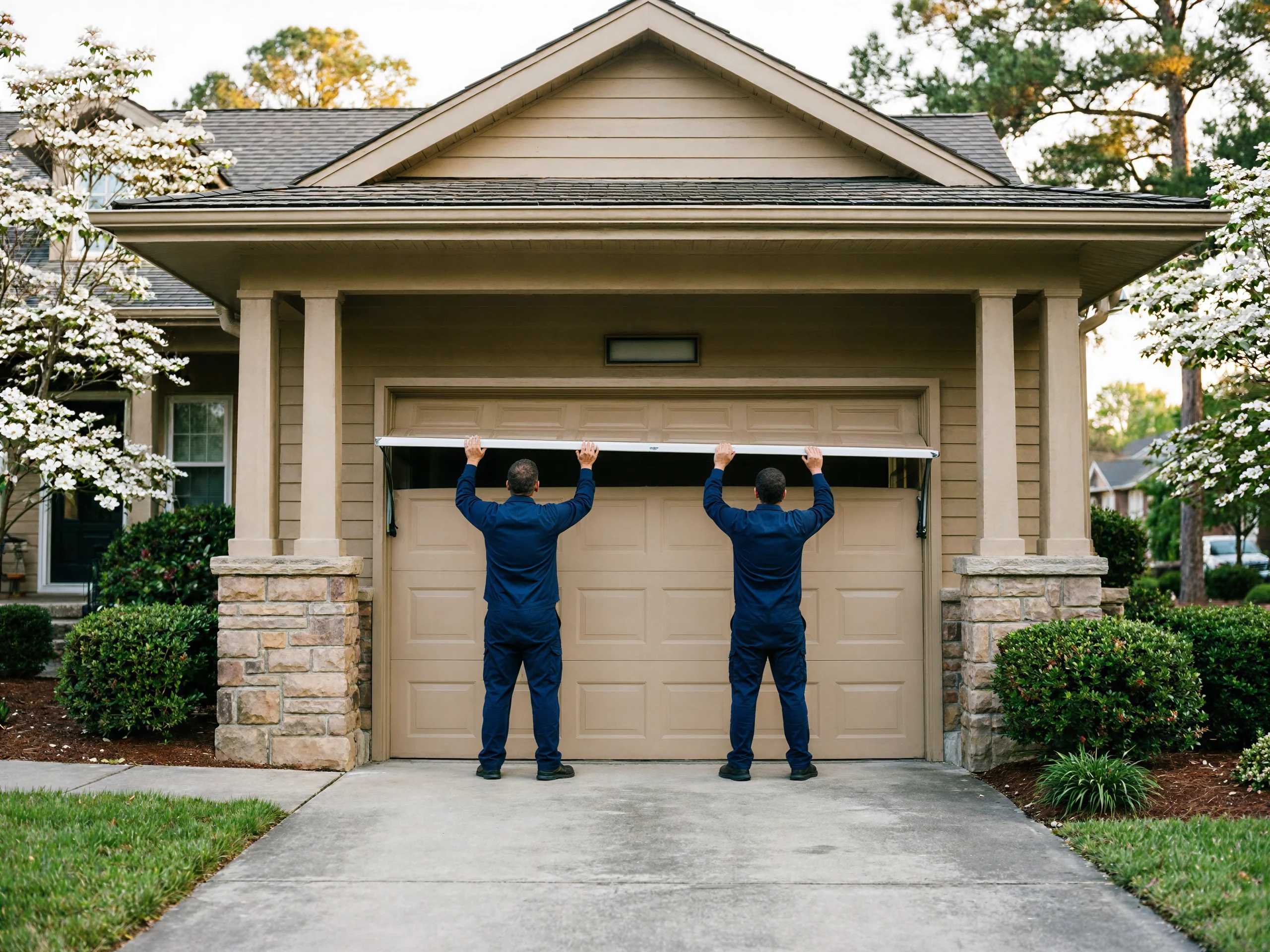
Most houses in Welcome went up around 1976, which puts the housing stock a good decade ahead of the newer construction you'll find closer to Lexington itself.
Extension springs and single skin
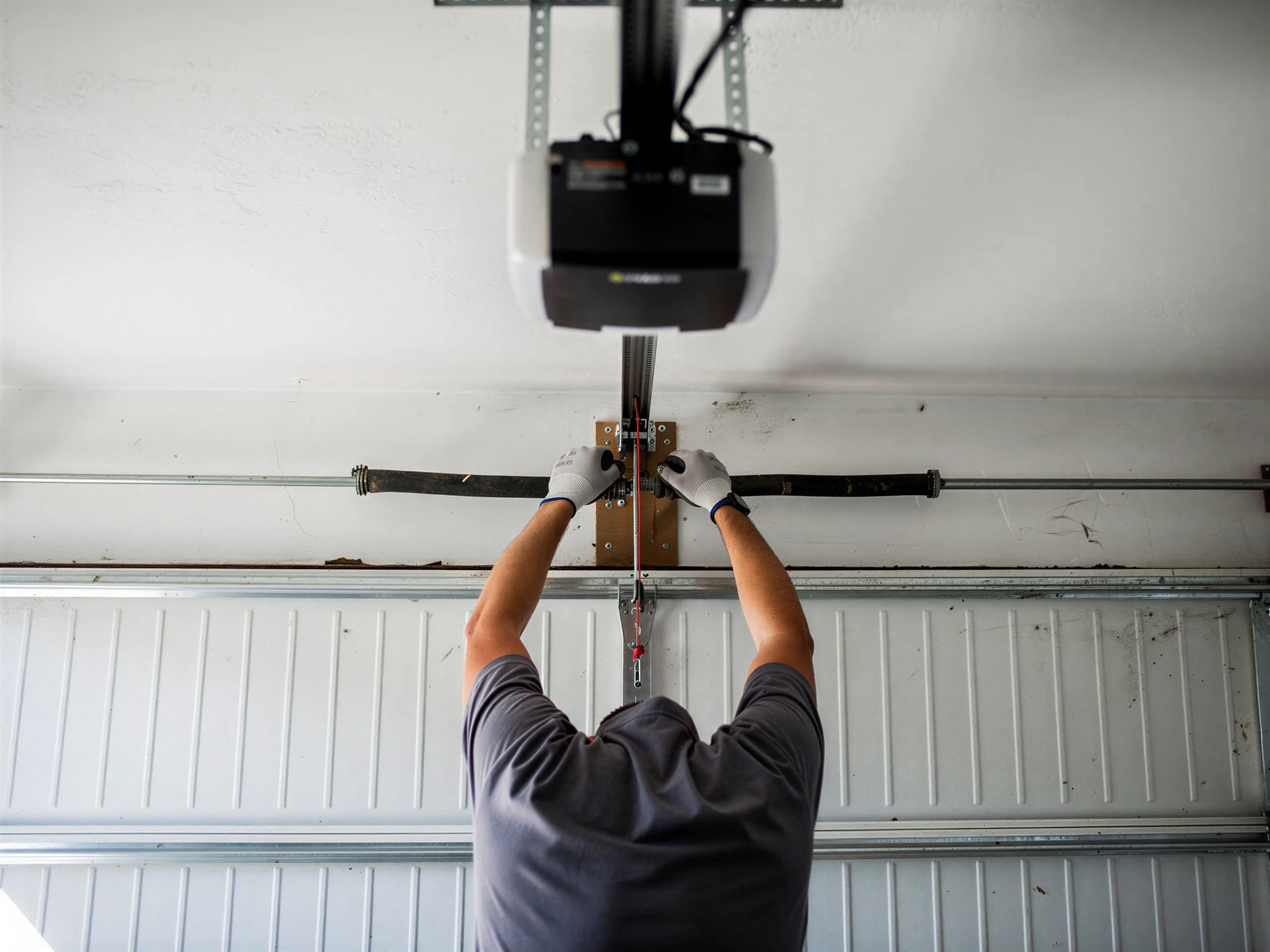
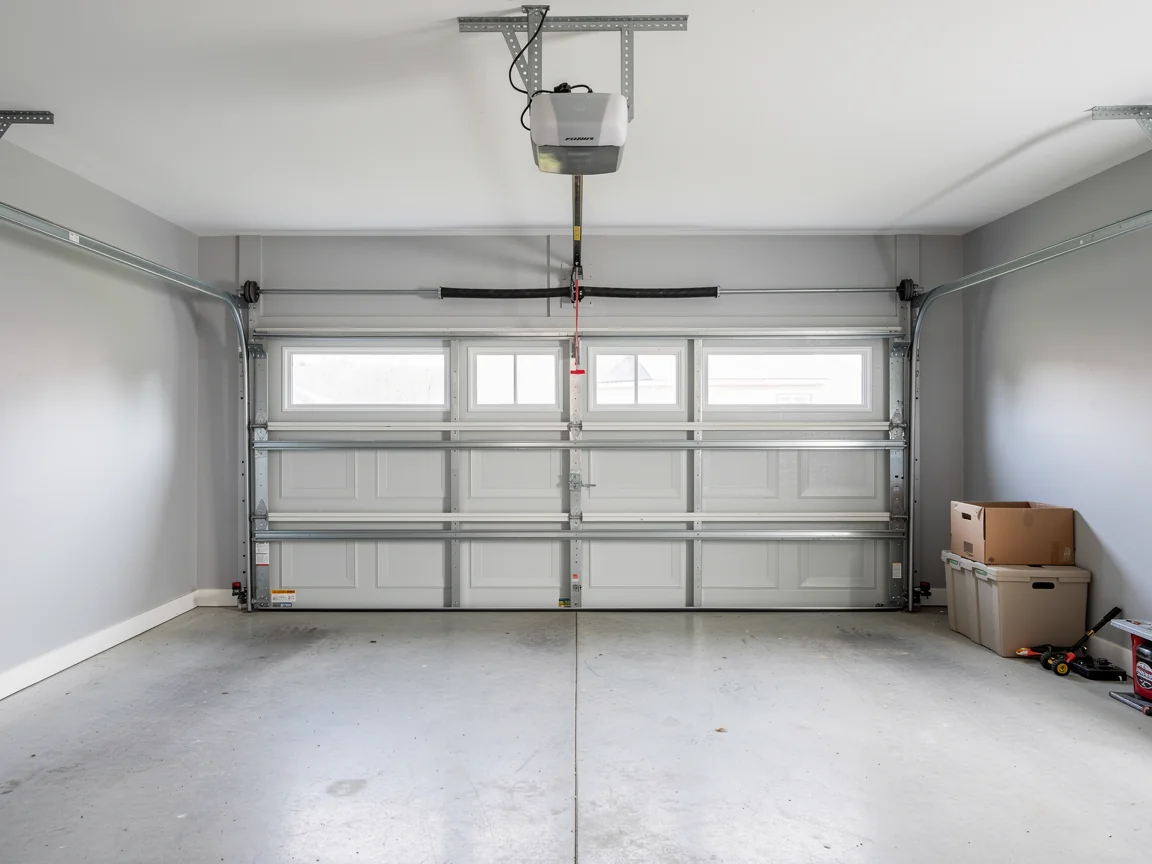
A door built in the mid-70s usually means a single-layer steel panel, extension springs running along the horizontal tracks instead of a torsion bar overhead, and no insulation value worth mentioning. None of that is a problem until the door needs replacing, and then it becomes the whole problem: the track spacing, the header clearance, and the spring mounts on a house from that era don't always match what comes in a modern door kit off the shelf.
Original hardware repainted
We also see a fair number of these doors that were never upgraded past the original hardware at all - same springs, same rollers, just repainted a few times. That's not unusual for a town this size; it just means an installer has to actually look at what's behind the door before quoting anything, not just measure the opening and move on.
Look-first visit value
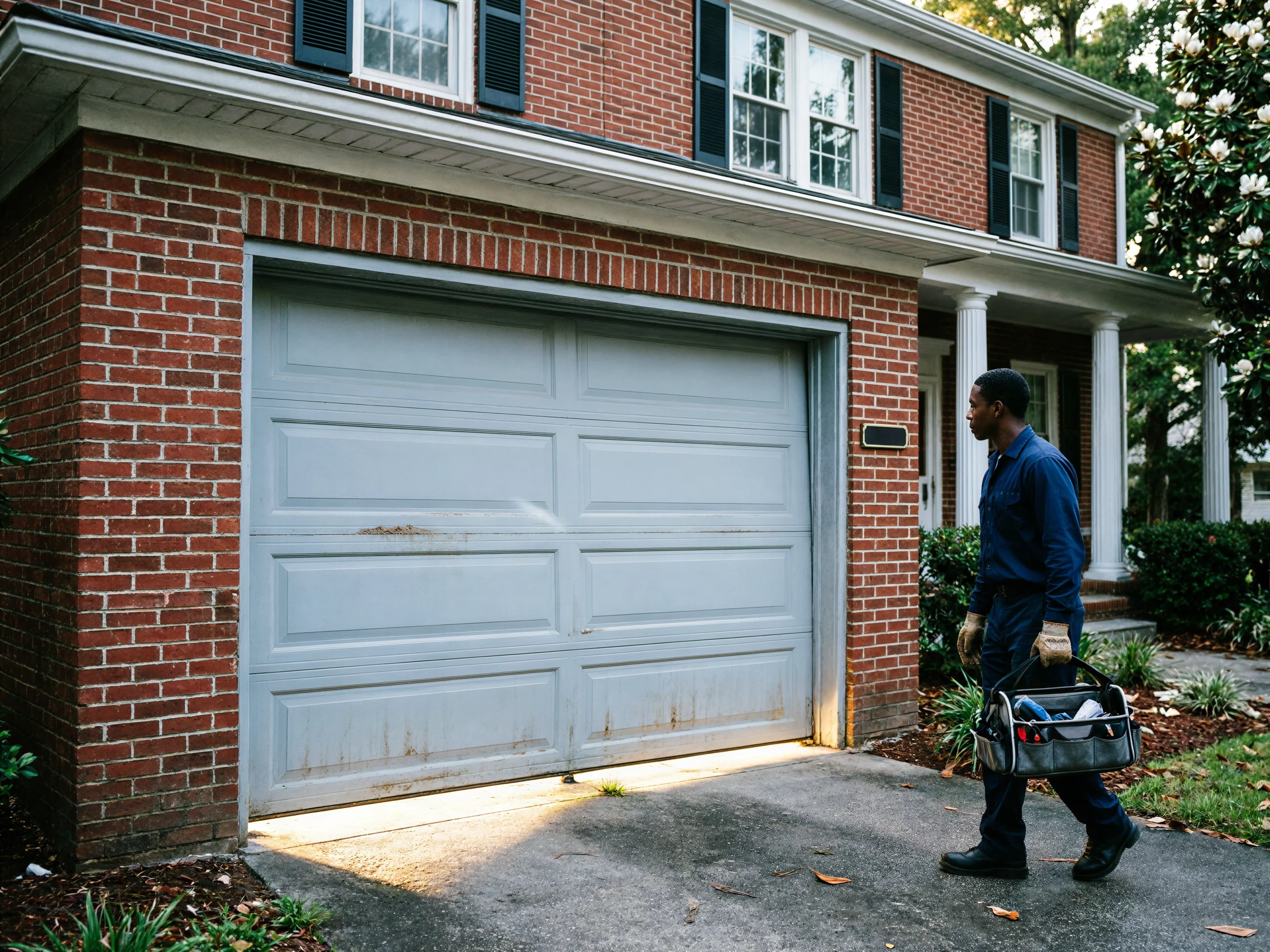
Welcome sits about 8 miles out from our shop in Lexington, which is close enough that a look-first visit doesn't add real cost to the job, but it does mean we're not working off a standard spec sheet the way you might on a newer subdivision.
The Symptom
The giveaway on a 1976-era door isn't always a dramatic failure. More often it's a door that's gotten heavy to lift by hand, or one where the extension springs have stretched enough that the door doesn't sit level when it's down.
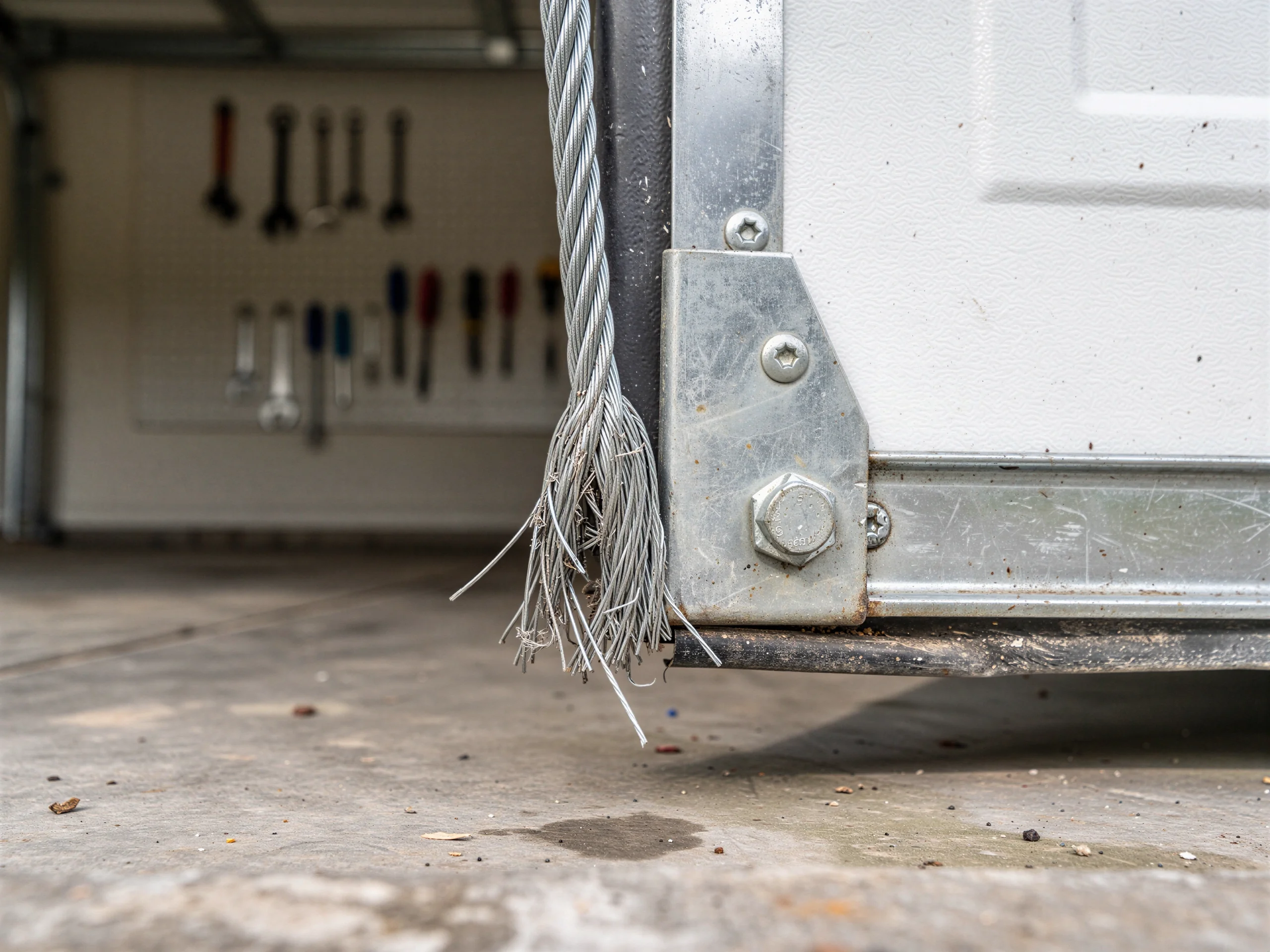
Uneven strain snaps cable
On older hardware, that unevenness puts extra strain on whichever cable is taking the slack, and that's usually the one that snaps first. Another pattern we see in this age bracket: openers that were added years after the original door went in, bolted onto track and springs never designed to carry motorized cycling.
Opener burns out early
The opener works until the springs can't keep pulling their weight, and then the opener strains, burns out early, or the door reverses itself on the way down.
Sagging door end of life
If your door is original to a house from the mid-70s and it's starting to feel heavy, sag, or bind on one side, that's the hardware telling you it's at the end of its service life, not a one-part fix.
What You Pay
We don't publish a flat number for installation because the hardware variance in a town like Welcome makes a one-size quote dishonest. A straightforward swap - same opening, modern door on existing compatible track - costs less than a job where the original 1976 framing needs the track reset or the spring mount rebuilt to fit a current door. Median household income across the wider service area runs $64,562, and Welcome itself runs close behind at $65,342, so we price jobs to match what a working household actually budgets for, not what a showroom door costs in a bigger market.
We'll give you the real number after we see the opening, not before. If you want ballpark pricing or want to see the range of doors we carry, that's covered on our installation page out of Lexington, not here - this page is specifically about what the Welcome housing stock means for your job.
What the Repair Takes
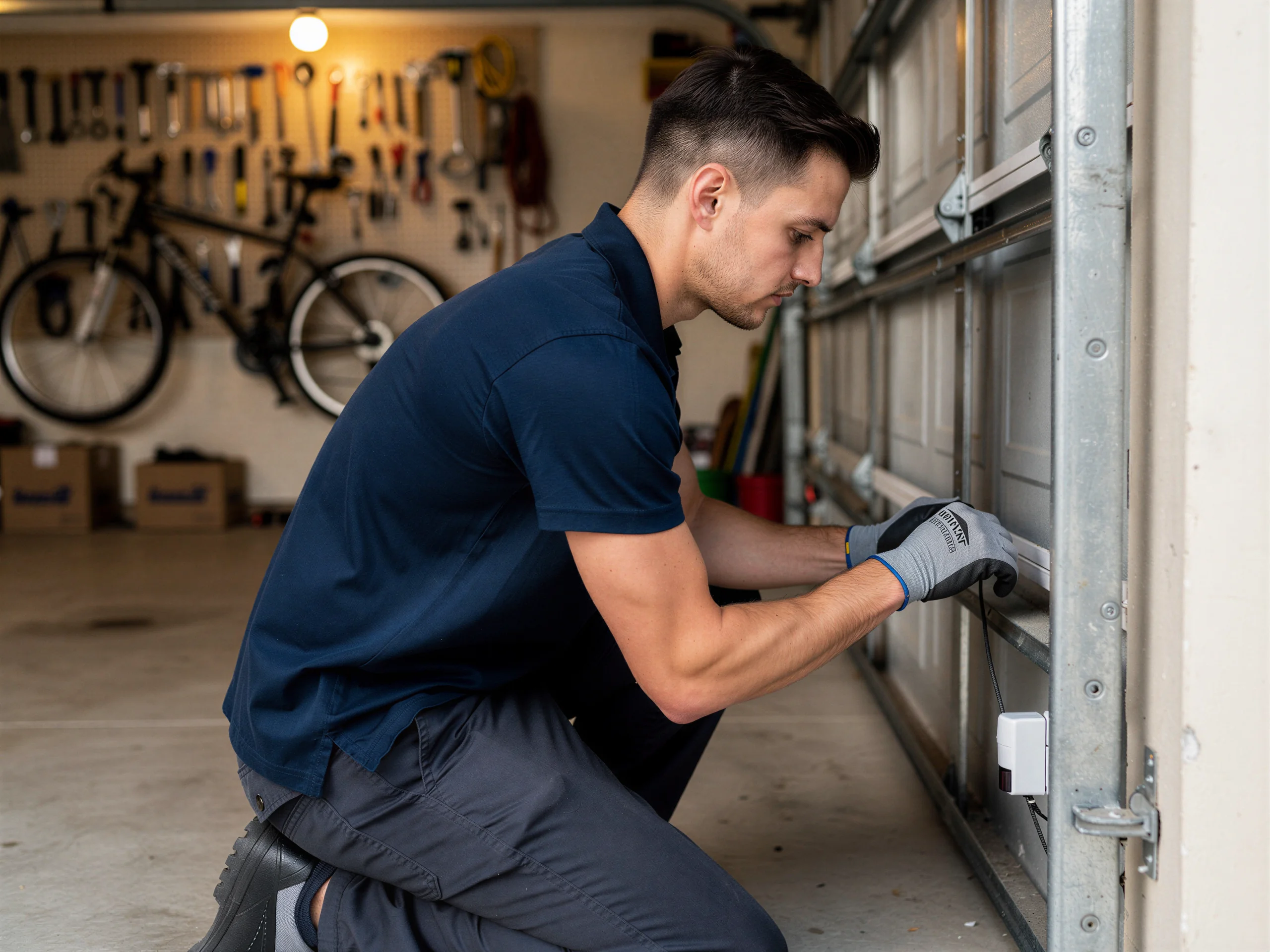
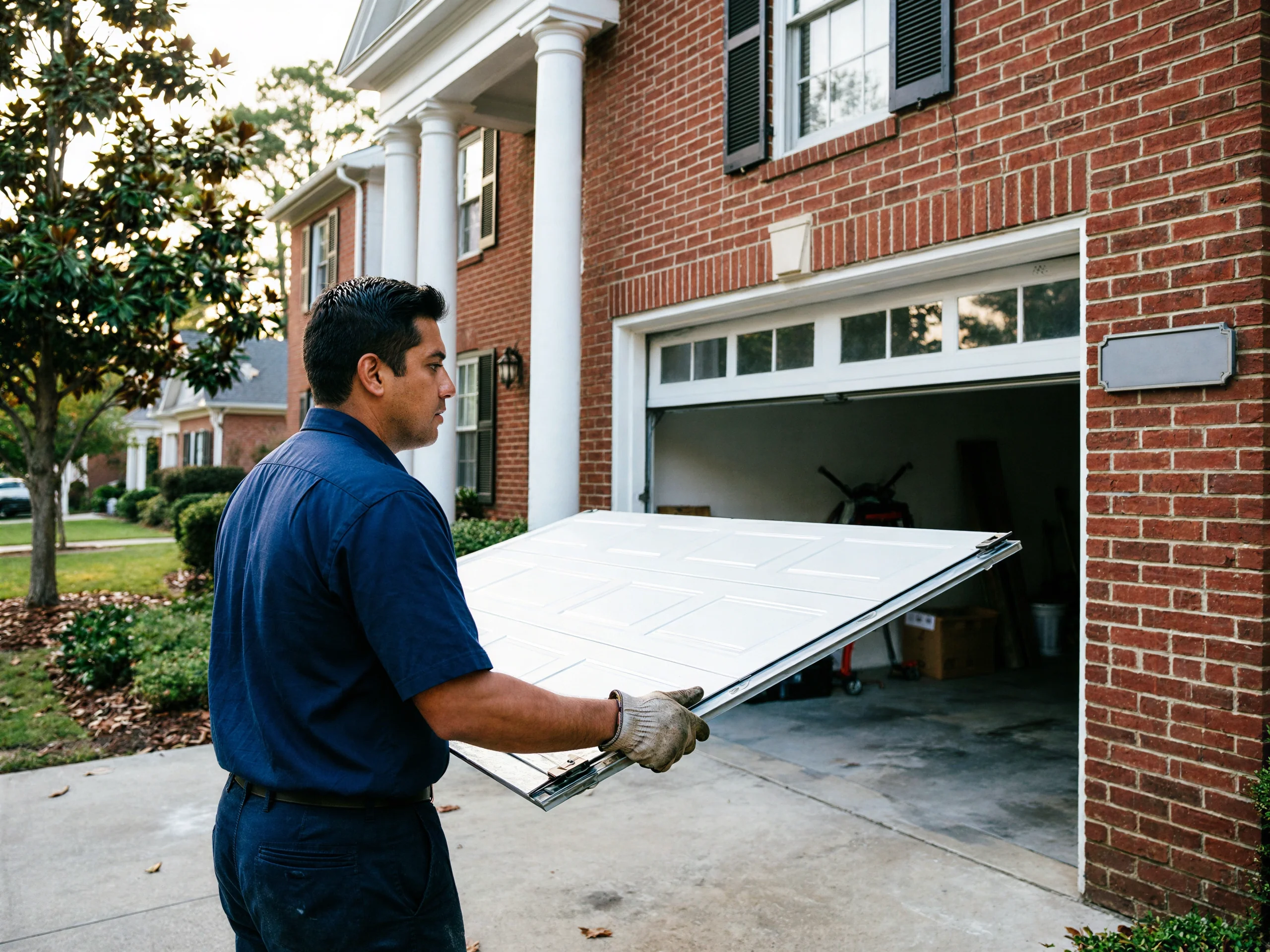
A new installation on a house built around 1976 usually takes longer than the same job on a newer house, and that's by design, not inefficiency.
Old mounts removed entirely
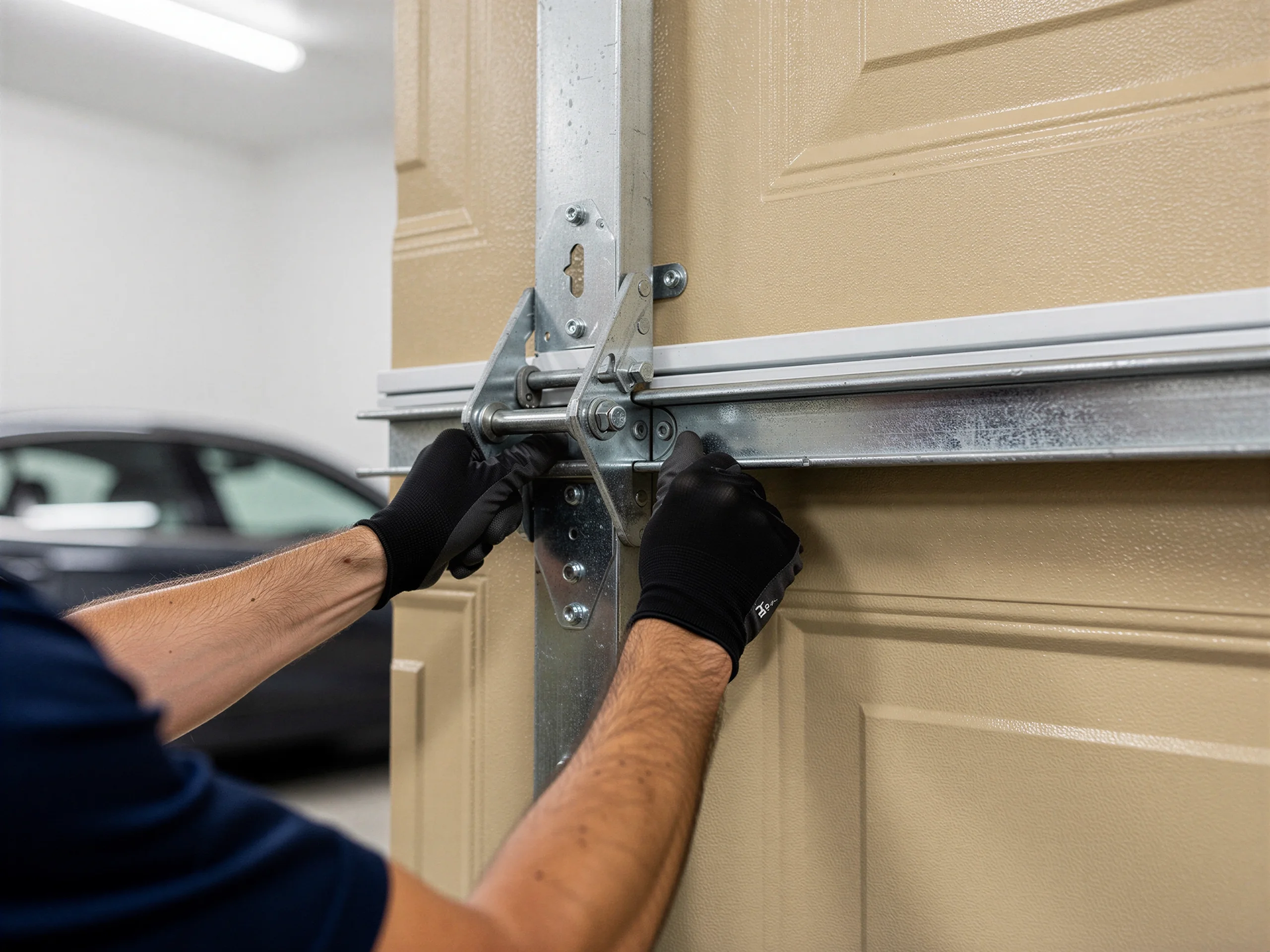
The old track and spring mounts often need to come out entirely rather than get reused, especially if the header has settled over the decades - common on houses from that build era. We also check for rot or shift in the jamb before mounting new track, because a door only tracks straight if what it's bolted to is still square.
Out-of-square framing trip
One honest limit here: if the original framing is too far out of square to correct in a normal visit, we won't force a modern door onto it just to finish the job same-day. That sometimes means a second trip once header work is done.
Weatherstripping matched to climate
Welcome's winters fall in the same cold, moderate climate band as the rest of the region, so we also make sure weatherstripping and bottom seals are matched to a door that'll actually hold against seasonal temperature swings, not just whatever ships standard.
Talk to a local pro
Garage door service in Lexington?
Same-day service with honest, upfront quotes.