The Complications
Welcome skews older than the rest of our service area. The median home here went up around 1976, while the broader area we cover runs on a median closer to 1983, inside a build window that stretches from 1955 to 1998.
Original 1970s chain-drive units
That decade of difference matters for openers. A house built in the mid-1970s often still has its original chain-drive unit, or a first-generation replacement bolted in sometime in the 80s or 90s when the first one finally quit.
No sensors or soft-start
Those units weren't built with the sensors, logic boards, or soft-start motors that came later, and plenty of them are still grinding away in Welcome garages today. That's different from fixing a ten-year-old opener with a worn circuit board.
Old-stock wear patterns
An opener that's been running since before most of its parts were standardized has wear patterns - stripped gears, dried-out chain slack, a motor capacitor on its last legs - that don't show up the same way in newer stock. With roughly 1,315 households in Welcome, a meaningful share of those garages are still running hardware from that first wave of construction, not a replacement unit installed in the last decade.
The Symptom
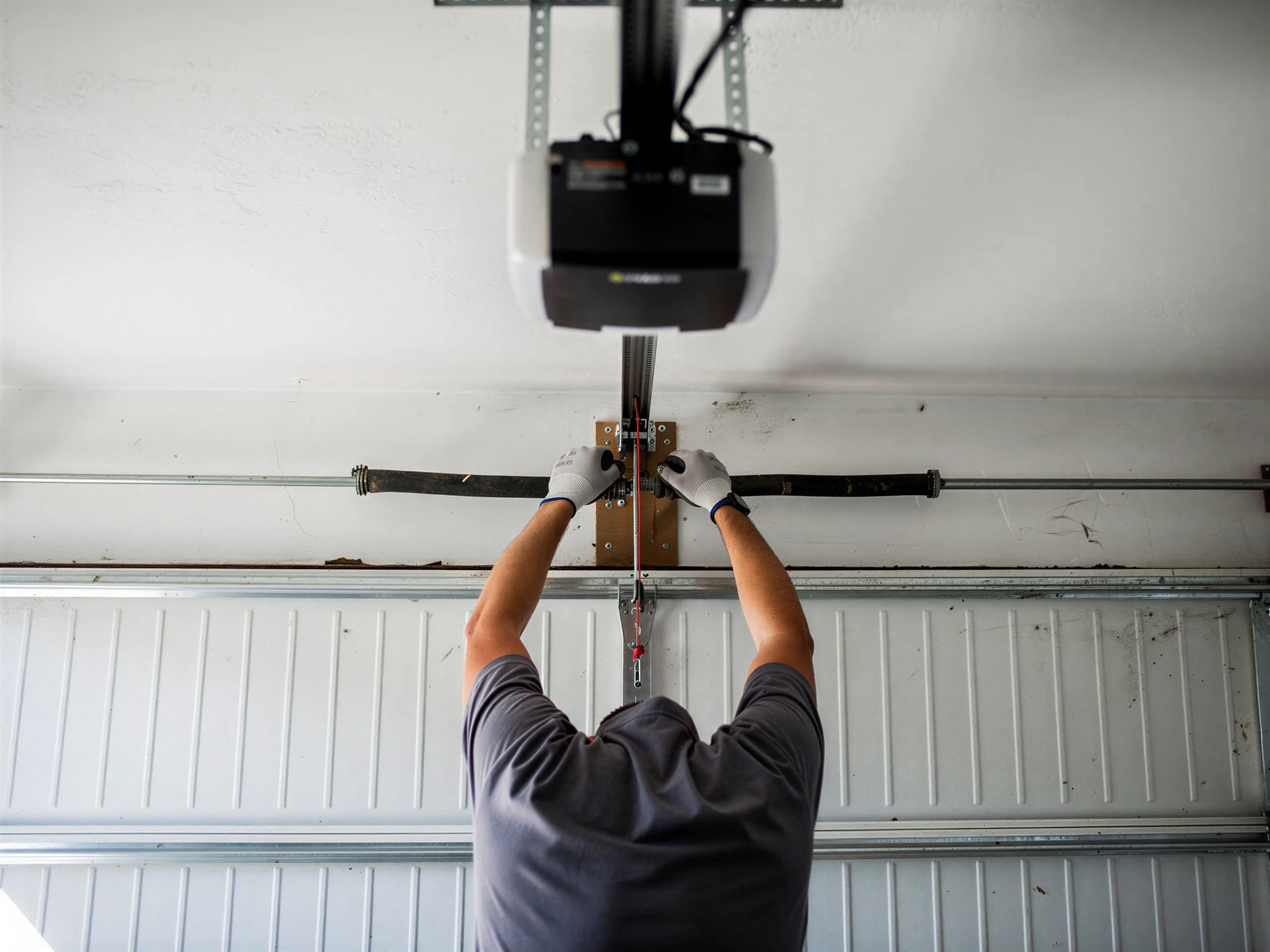
The most common call out of Welcome is an opener that hums but doesn't lift, or lifts partway and stalls. On an older chain-drive unit that usually means the drive gear inside the housing has worn down to plastic shavings - a part that fails slowly, so most owners notice the door getting louder for months before it stops moving altogether.
The second most common complaint is a remote that used to work from the driveway and now needs you standing under the unit to get a response. That's often a worn antenna wire or a receiver board that's simply aged out, not a dead remote battery. On houses with the original builder-grade opener, we also see travel limits that drift - the door reverses before it touches the floor, or it keeps running after it's closed and strains the motor. None of these are wiring problems you can diagnose by looking at the door itself; they're inside the opener housing.
What You Pay
We don't have a flat number to post here, because the honest answer depends on what's actually wrong - a $40 drive gear and a burned-out circuit board aren't priced the same, and we're not going to quote one before we've opened the housing.
Mechanical parts worth fixing
What we can tell you is how we think about it on an older unit: if the motor and logic board are sound and it's a mechanical part like a gear or chain, repair almost always makes sense.
Discontinued board parts
If the board's gone and the model is old enough that the manufacturer's stopped making parts for it, we'll tell you that straight and talk about replacement instead of burning your money chasing a part that doesn't exist anymore.
What the Repair Takes
We run the 8 miles out from Lexington for opener calls in Welcome, same as any other job on the route. There's no local branch or drop-off point here - we bring what the job needs on the truck, and if it's a part we don't carry stock of, that's the one limitation worth saying plainly: boards and gear kits for openers from the 70s and 80s aren't always sitting on a shelf, and sourcing one can add a day or two.
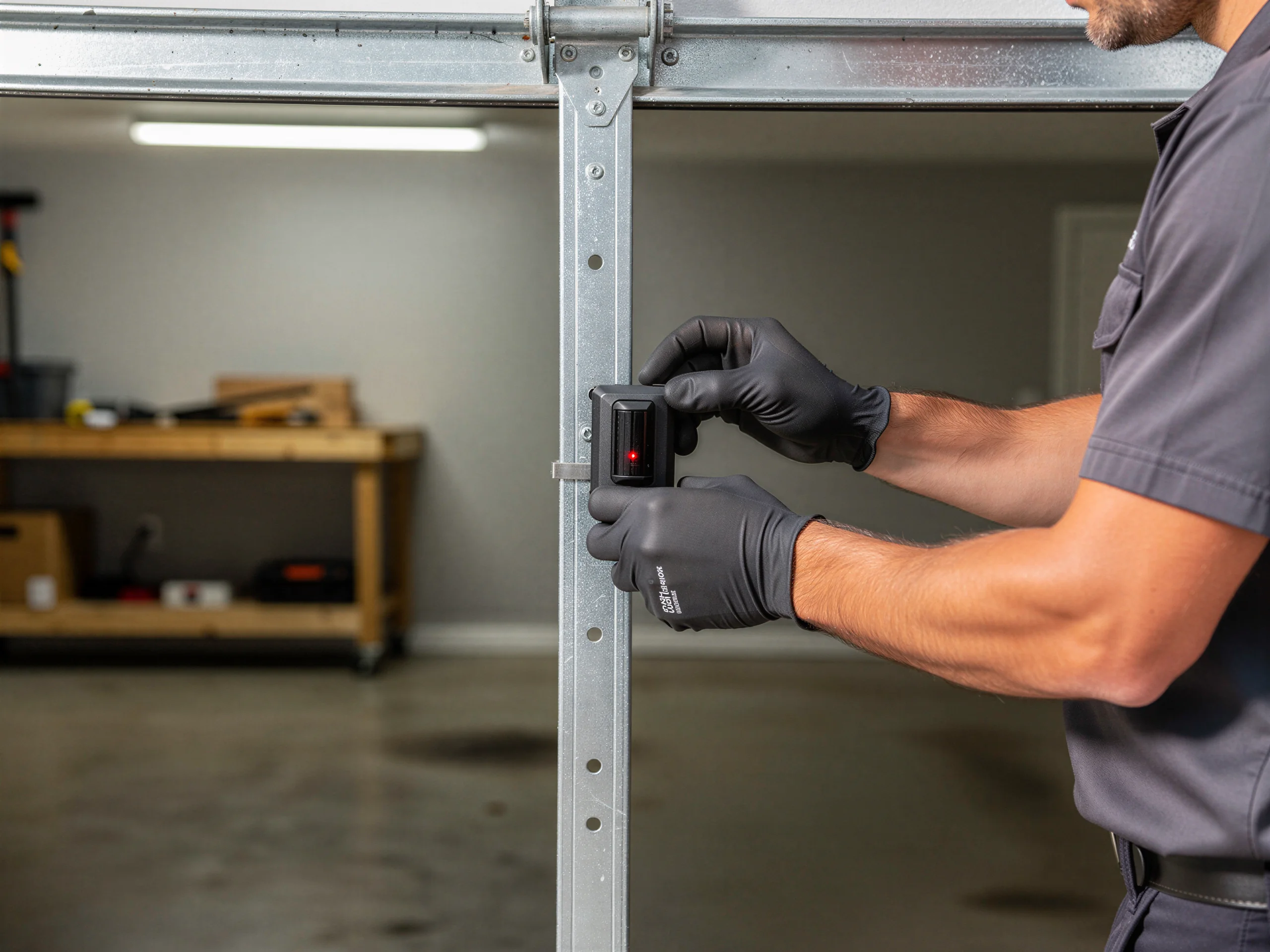
On site, the job is mostly diagnostic before it's mechanical. We check the motor draw, the gear condition, the circuit board, and the sensor alignment if the unit has one at all - some of the oldest units in Welcome predate working safety sensors entirely. Winters here aren't severe, but the cold band this area sits in is enough that old grease in a decades-old gear reducer stiffens up and makes the motor work harder at start-up, which is often the thing that finally finishes off an opener that was already borderline.
Talk to a local pro
Garage door service in Lexington?
Same-day service with honest, upfront quotes.