What You Pay
Advance sits apart from the rest of the Lexington service area on one number: household income. The median here runs $109,402, against $64,562 across the wider area we cover.
Fix versus install cost gap
That gap matters more than it sounds like it should, because it moves where the repair-or-replace line falls. A homeowner weighing a $300 spring fix against a $1,400 full install on a tight budget leans toward the fix every time.
Repeat faults push replacement
At Advance income levels, that same math tips earlier toward replacement, especially once a door is already showing a second or third fault in the same season. We don't quote prices on this page because we haven't published area-specific numbers, but the decision itself looks different here than it does ten miles away, and it's worth going into a service call knowing that.
Income shifts the math
We're not saying every Advance homeowner should replace instead of repair. We're saying the calculation homeowners actually run - is this worth fixing again - lands somewhere different when the household income sits 70% above the regional median. That's a fact about this town, not a sales pitch.
The DIY Question
The median year built for Advance homes is 1997, noticeably newer than the 1983 median across the broader area we serve. That matters for anyone tempted to fix a door themselves.
Builder-grade 1990s components
Builder-grade installs from the mid-to-late 1990s typically came with extension springs or light-duty torsion setups, factory openers with basic chain drives, and steel panels that haven't needed much beyond roller and cable swaps for two decades.
Weekend project temptation
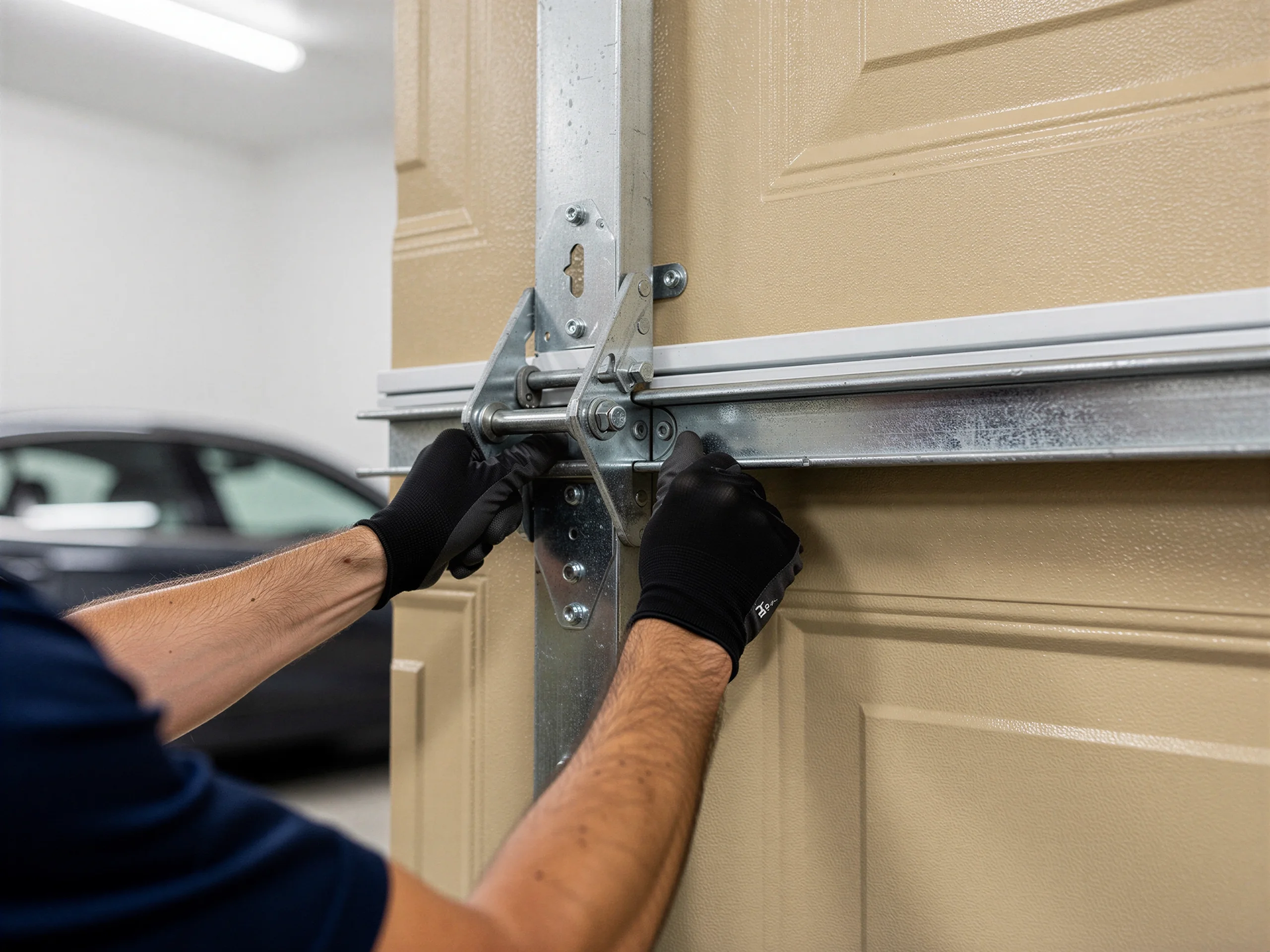
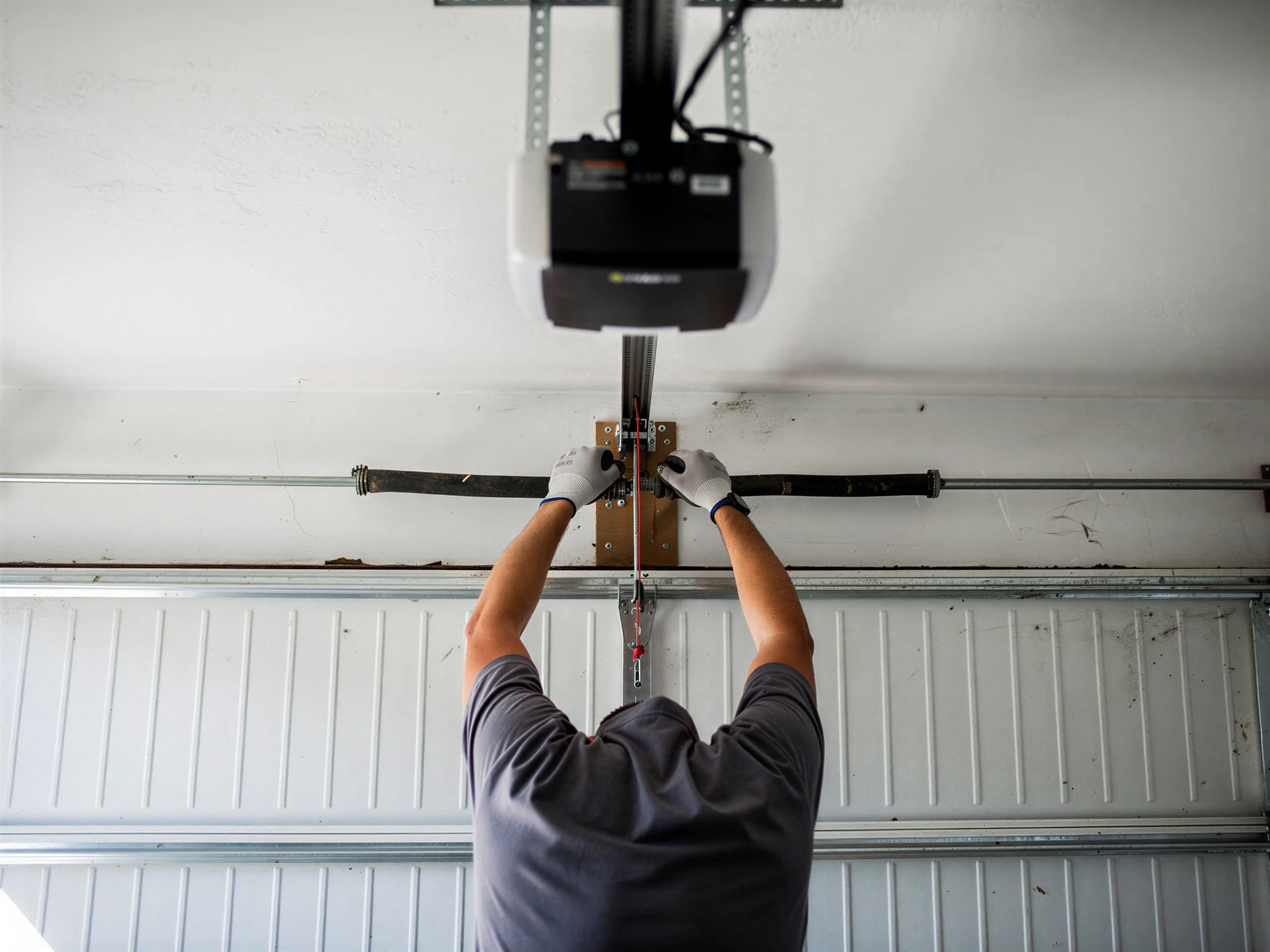
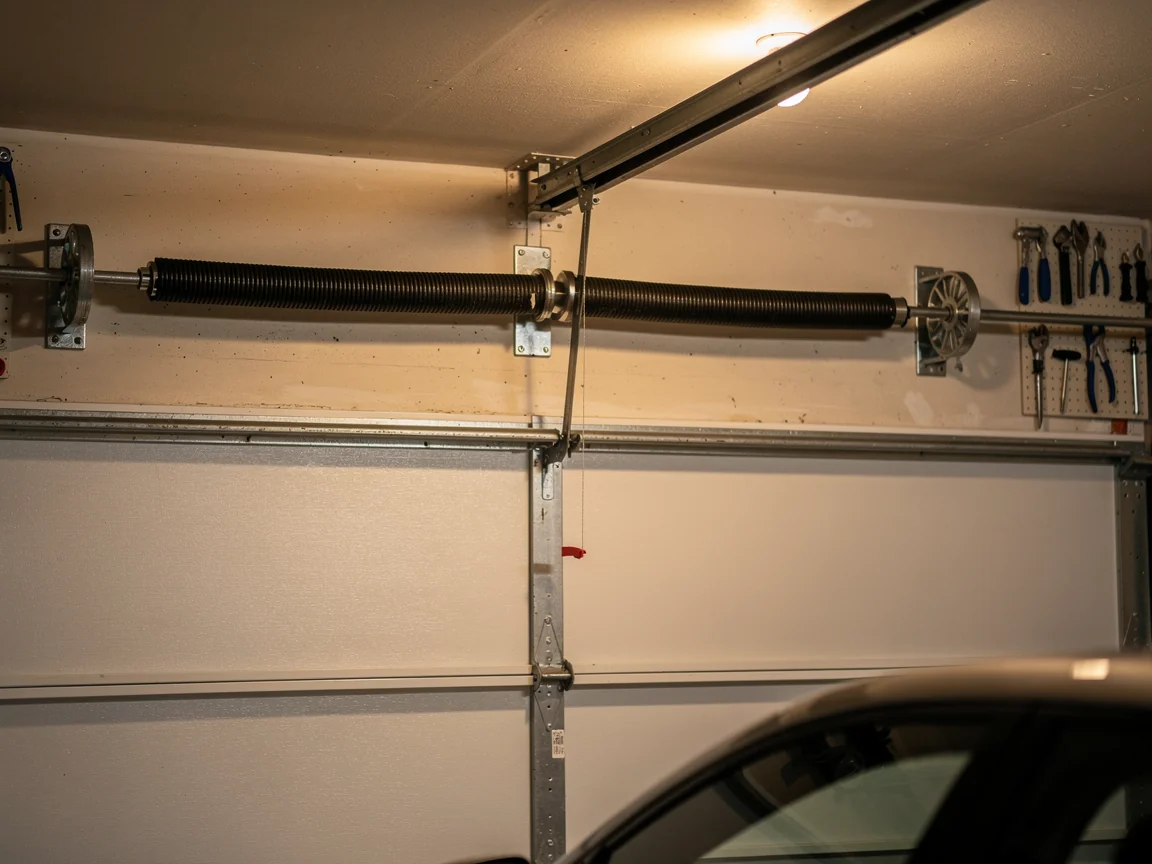
That's the kind of door a confident homeowner might be tempted to pull apart on a Saturday. Here's the limitation: torsion spring replacement and anything involving the overhead track under tension isn't a DIY job, regardless of how new or old the door is.
Sticking doors need diagnosis
The spring stores enough force to break a hand or worse. If your door is sticking, slow to close, or making a grinding sound on the track, that's diagnostic work worth a call, not a project worth a trip to the hardware store.
The Symptom
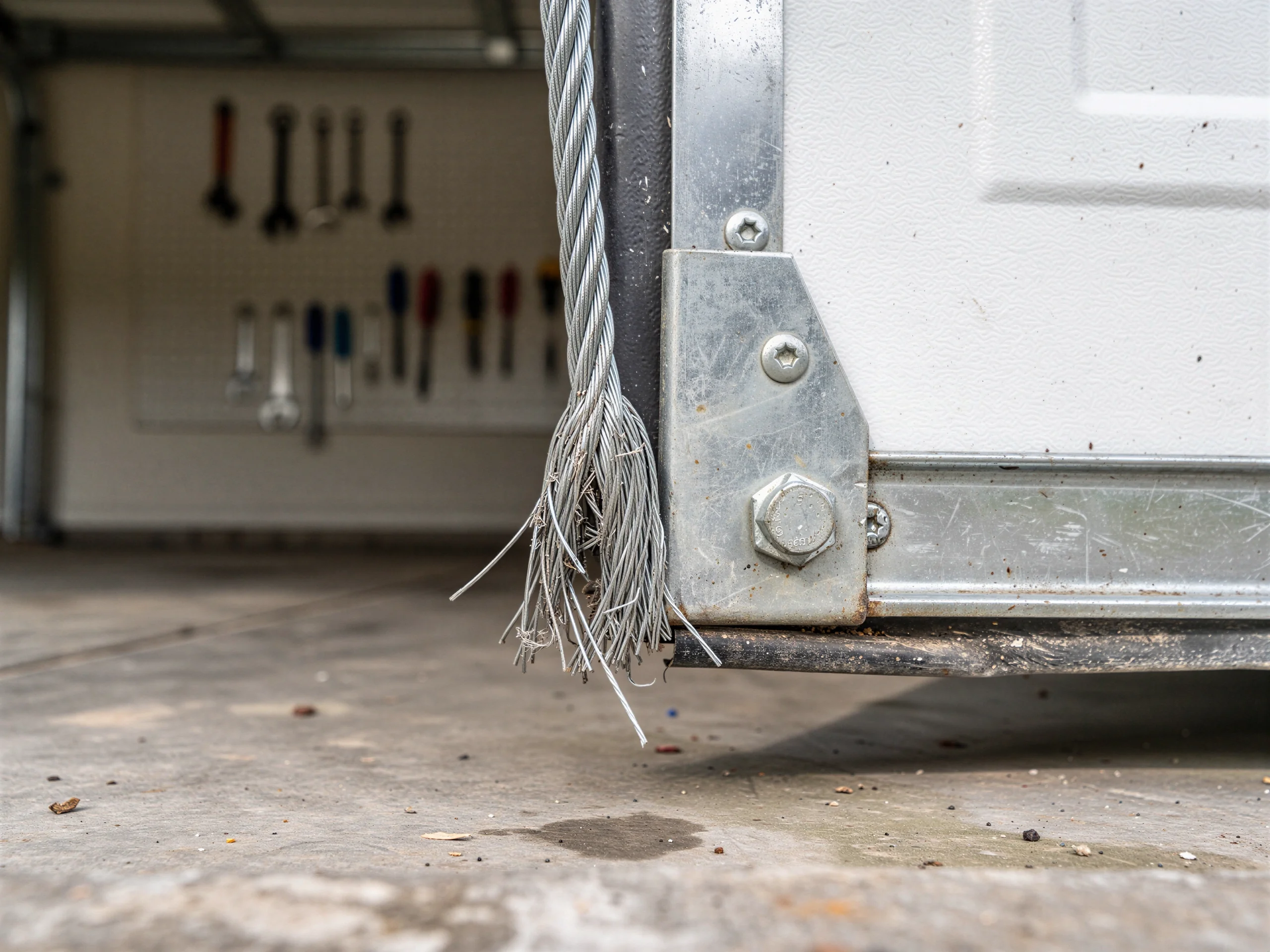
Doors installed around 1997 are now entering the stretch where original hardware starts failing in clusters rather than one piece at a time. A torsion spring rated for roughly 10,000 cycles gets there faster than most people expect if the door opens and closes several times a day, and a house built in that window is due, not overdue. The common pattern: an opener that still runs fine, paired with a door that's gotten noisy, slow to seat, or occasionally reverses for no clear reason.
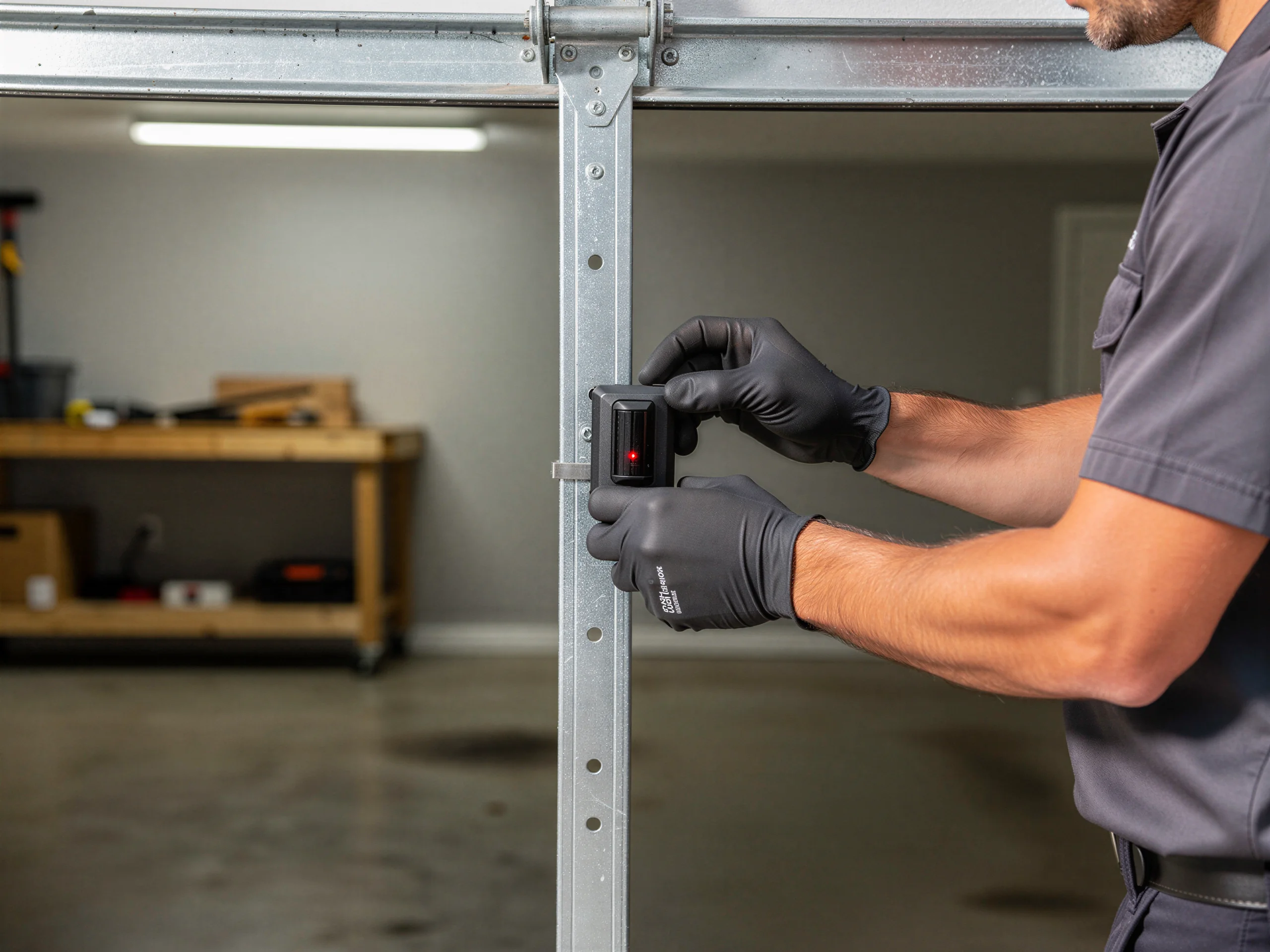
That combination is often read as an opener problem when it's actually the door hardware dragging the motor harder than it should. Sorting out which one is failing before replacing anything is the first step, and it's the difference between a focused repair and paying twice.
What the Repair Takes
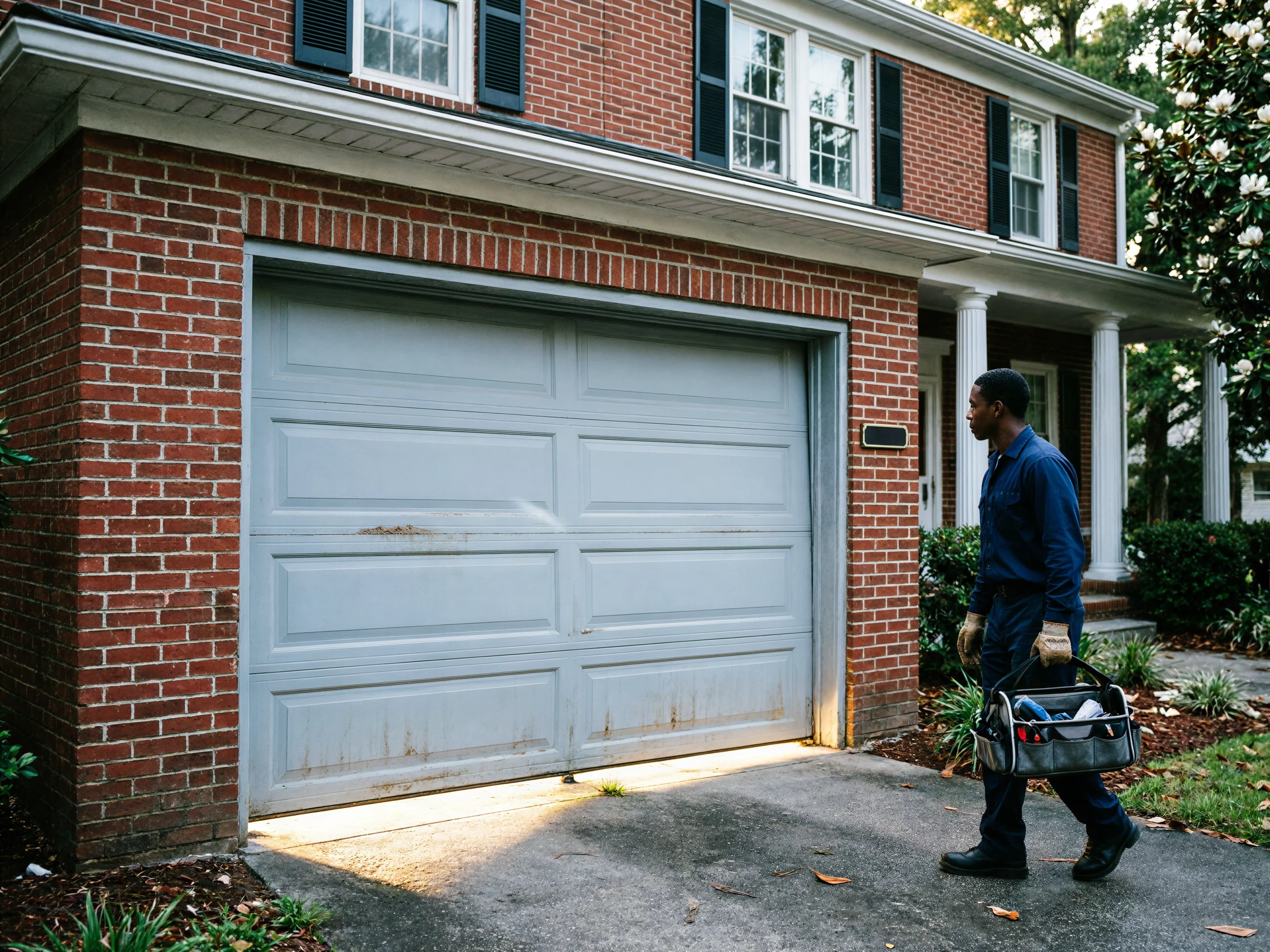
Advance is about 12 miles from our shop in Lexington, which we build into how we schedule and route jobs out that way rather than treating it as a side trip.
No local branch
We don't operate a branch location in Advance and don't promise a specific response window here - the truck comes from Lexington, same as it does for Welcome or Spencer.
Parts trips from distance
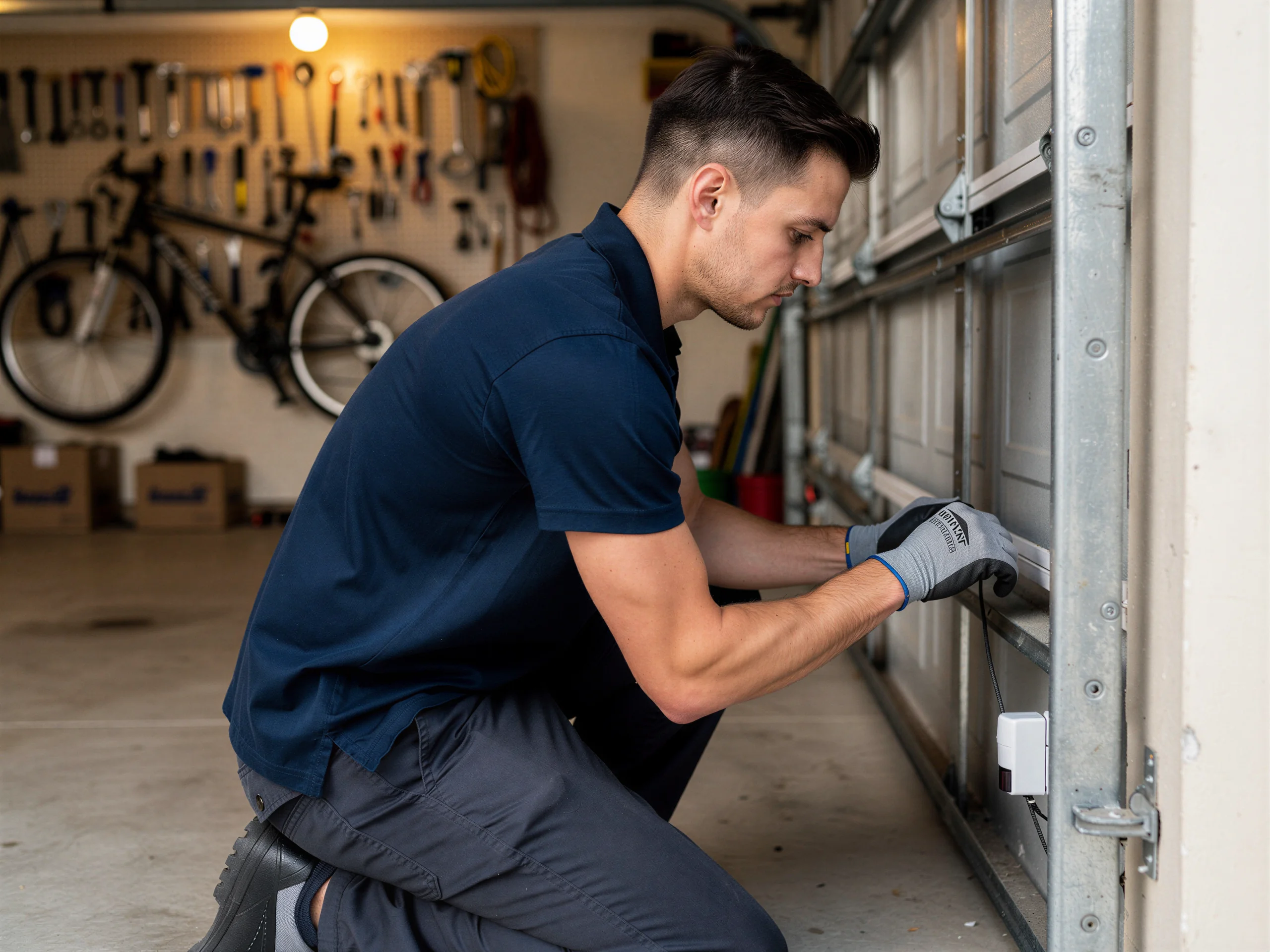
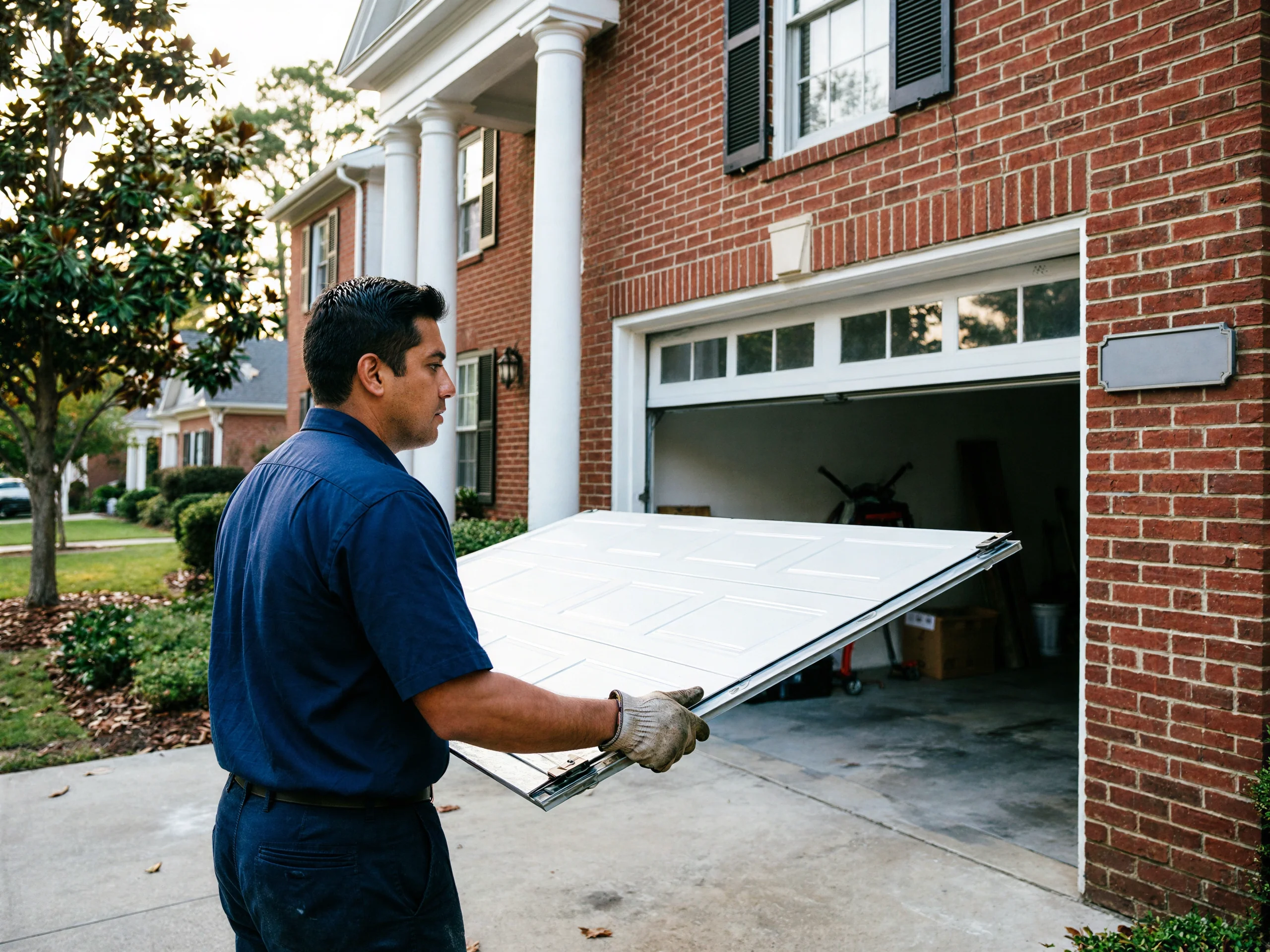
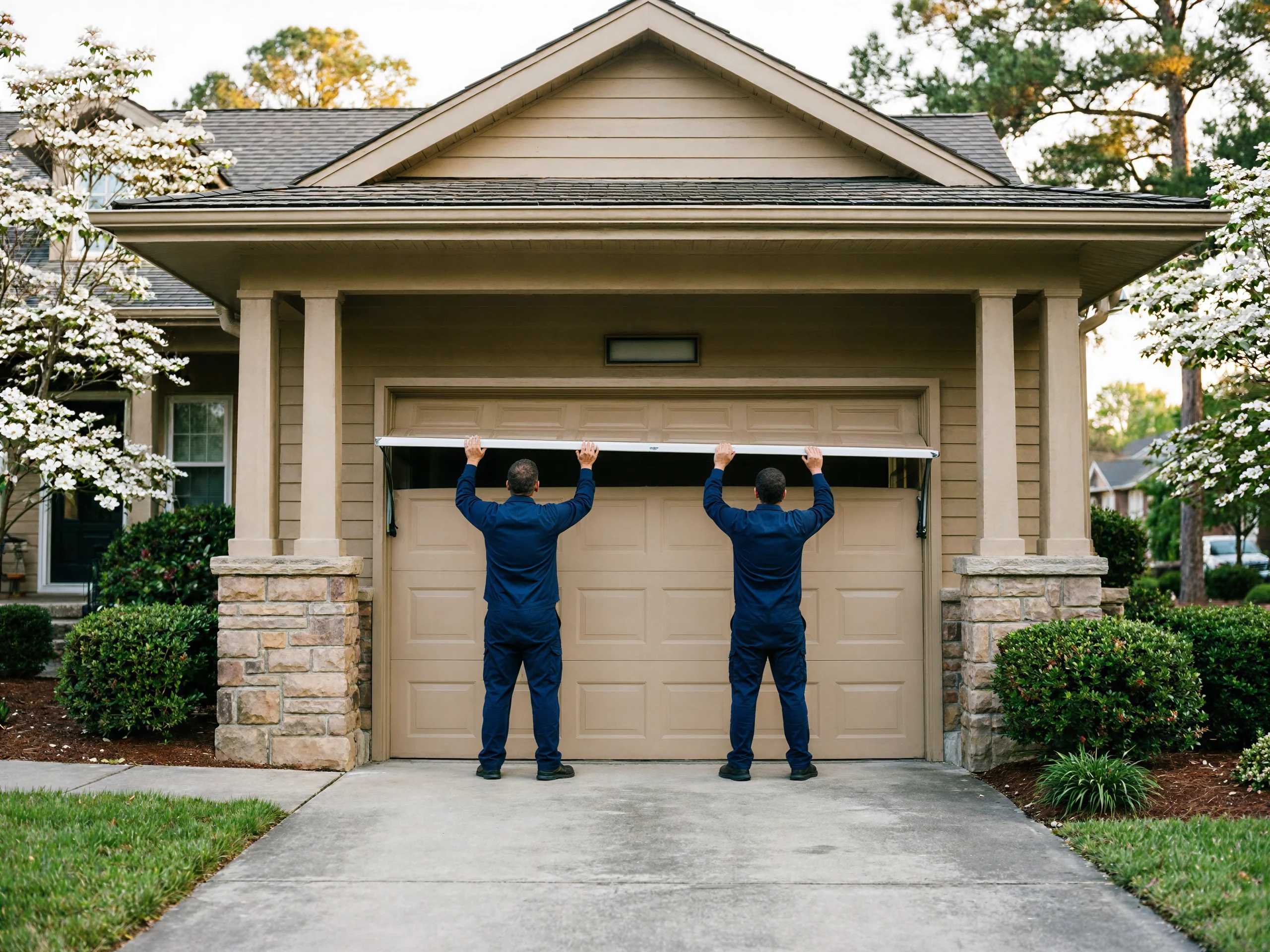
What that distance does affect is parts: if your door needs a part that isn't on the truck, that's a return trip, and we'd rather tell you that up front than guess at a timeline we can't keep. A straightforward new door install, once we're on site with the right unit, is typically a half-day job.
Nonstandard openings take longer
Add insulated panels or a non-standard opening and it runs longer. We size that up on the visit, not over the phone, because guessing at a 1997-era rough opening without seeing it leads to the wrong door showing up on the truck.
The Complications
The area sits in a cold-moderate climate band, which is gentler than true northern winters but still cold enough to stiffen torsion springs and thicken old lubricant on worse mornings.
Sluggish cold-start doors
On a door pushing 25-plus years of builder-grade hardware, that shows up as a door that's sluggish to open on the first cold start of the day, even when nothing is actually broken. Insulation is the other piece.
Single steel skin dated
A lot of 1990s builder-grade doors went in without much more than a single steel skin, which was standard for the era and not a flaw, just dated. If you're replacing rather than repairing, that's the point where an insulated panel actually pays for itself in comfort, not just a cosmetic upgrade.
Insulation depends on garage
We'll point that out on site rather than upsell it over the phone, because not every garage needs it - a detached, unheated garage doesn't get the same benefit as one attached to living space.
Talk to a local pro
Garage door service in Lexington?
Same-day service with honest, upfront quotes.