What You Pay
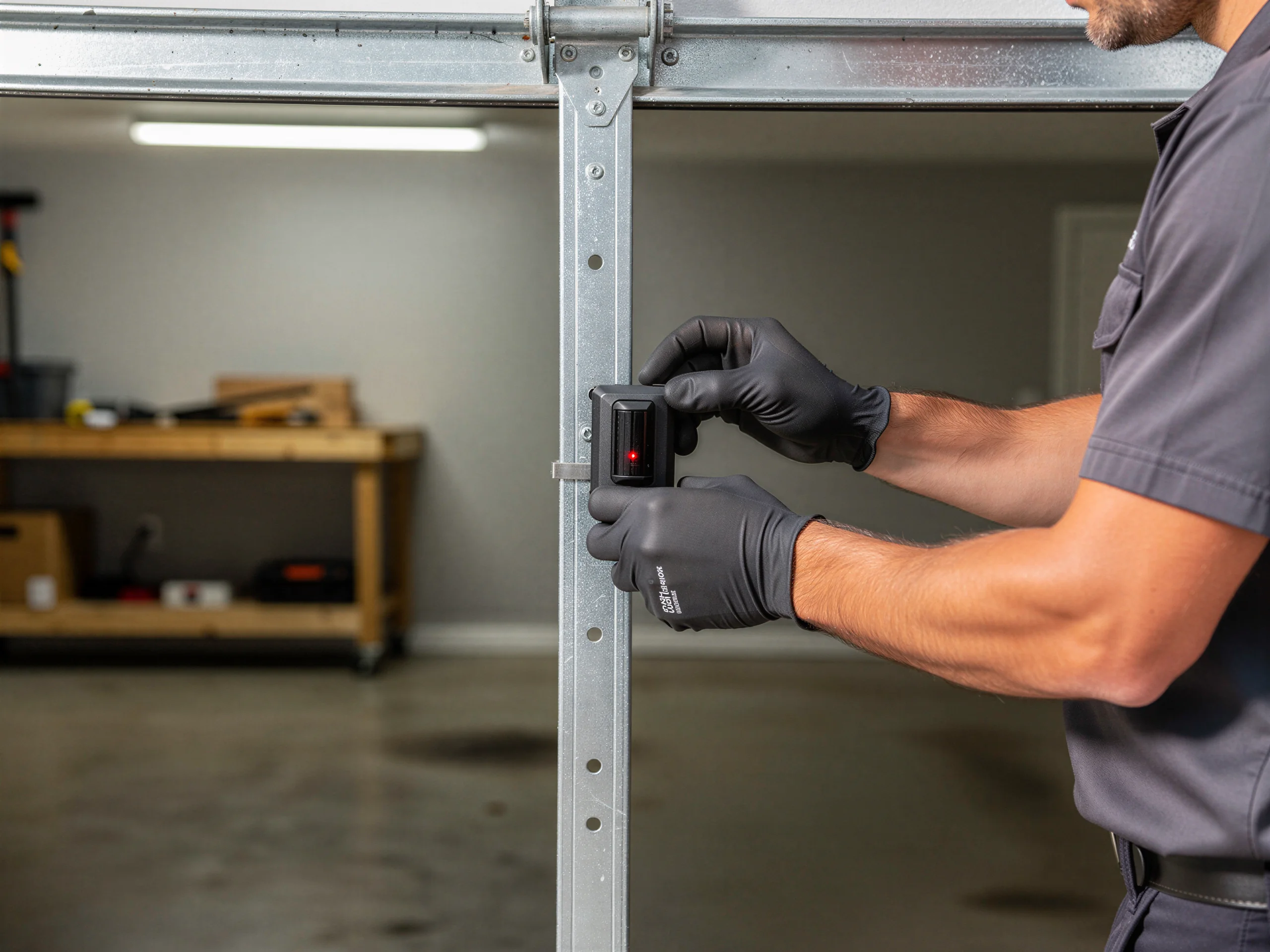
We don't post a flat number for opener repair here because it depends on what's actually failed - a logic board swap costs different money than a stripped gear kit or a full unit replacement. What we can tell you is what shapes the job in Advance specifically. The median household income in this service pocket runs $109,402, well above the wider Lexington-area median of $64,562, and that shows up in the openers we find on these calls: more belt-drive units, more units with battery backup, fewer bare-bones chain drives than we see in older sections of the territory. Those parts aren't necessarily more expensive to fix, but they're not always something we carry on every run, so a same-visit repair versus a return trip can come down to which opener is actually on your ceiling. We quote after we've looked at the unit, not before, because guessing at it over the phone does nobody any favors.
The DIY Question
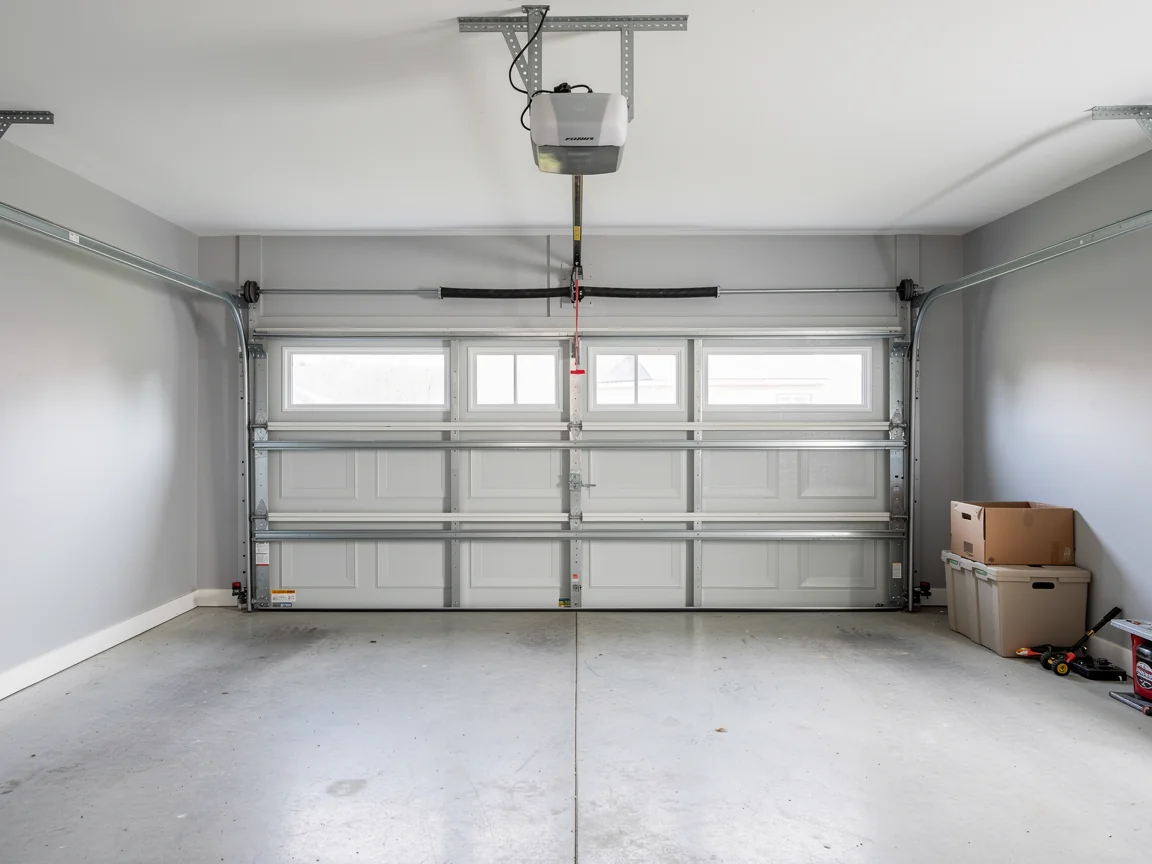
Swapping a remote battery or reprogramming a keypad is fine to do yourself, and most owners figure that out without calling anyone.
Hazardous parts stay with pros
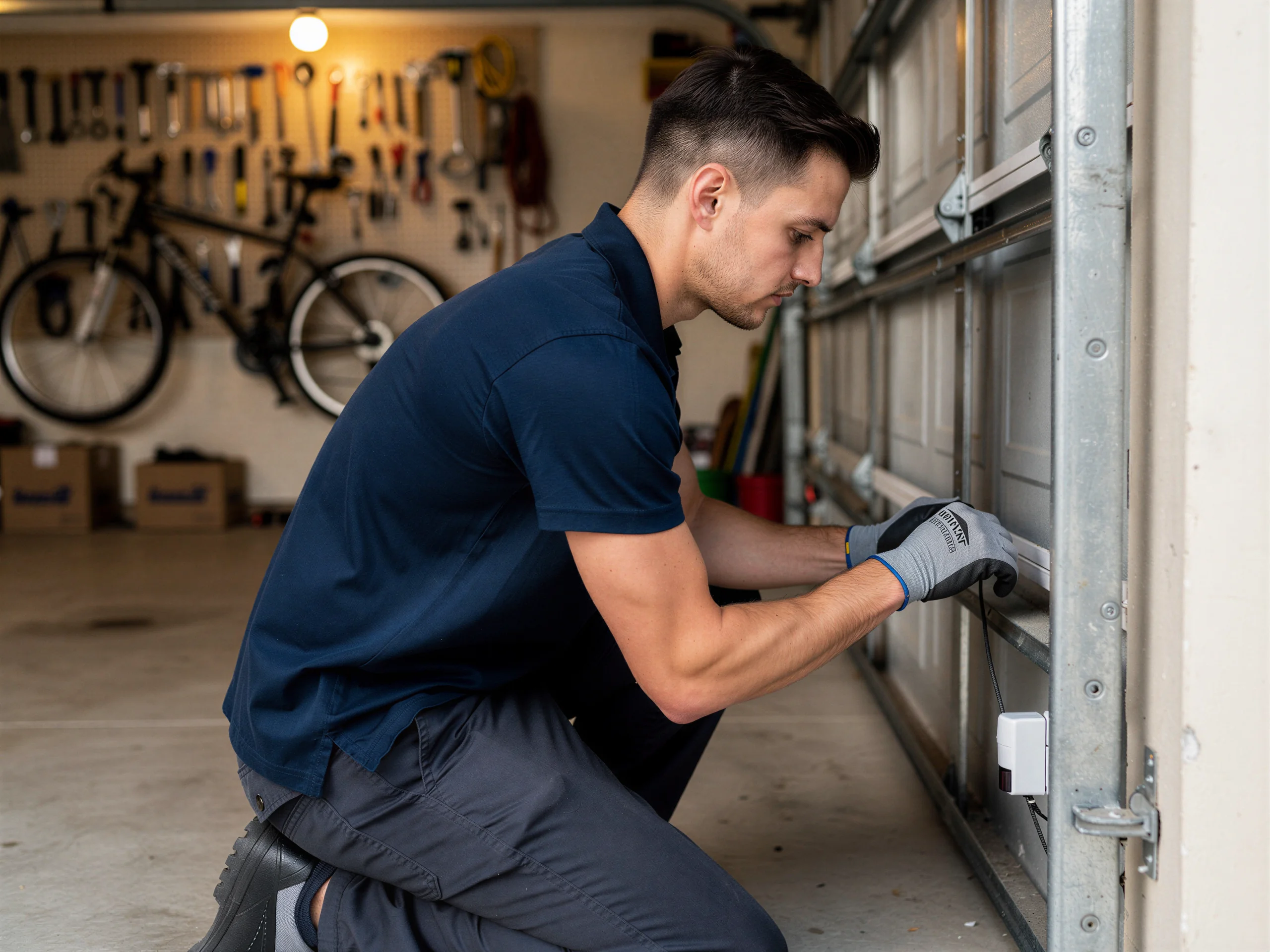
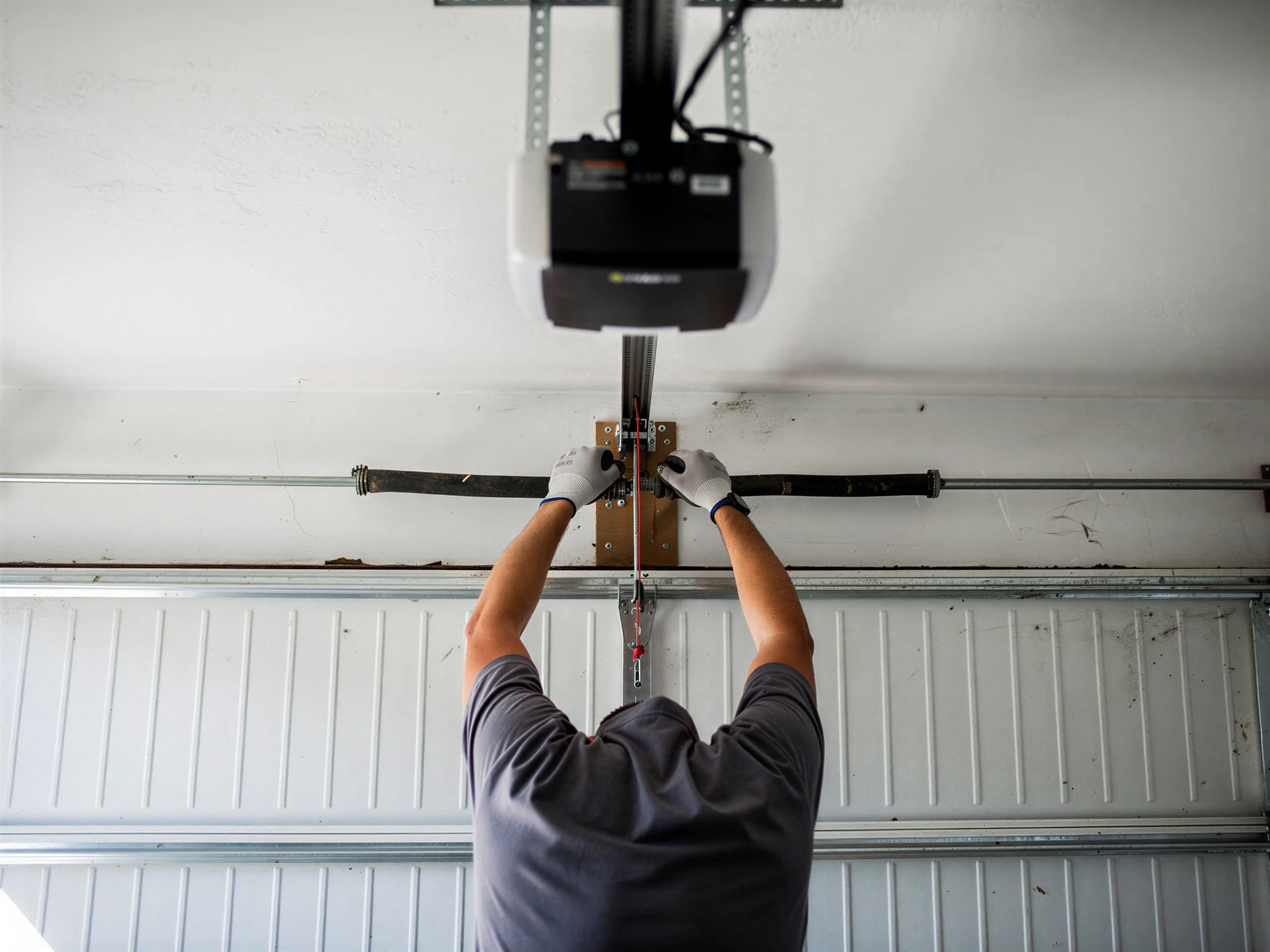
Where it stops being a DIY job is the logic board, the drive gear, or anything involving the safety reversal sensors - those need to be set correctly or the door becomes a hazard, not a convenience.
Board failure, not quick fix
If your opener runs but won't respond to the wall button or the remote, that's usually a board or a dead capacitor, not a $12 fix. We'd rather tell you that up front than have you order three parts online before the real one.
The Symptom
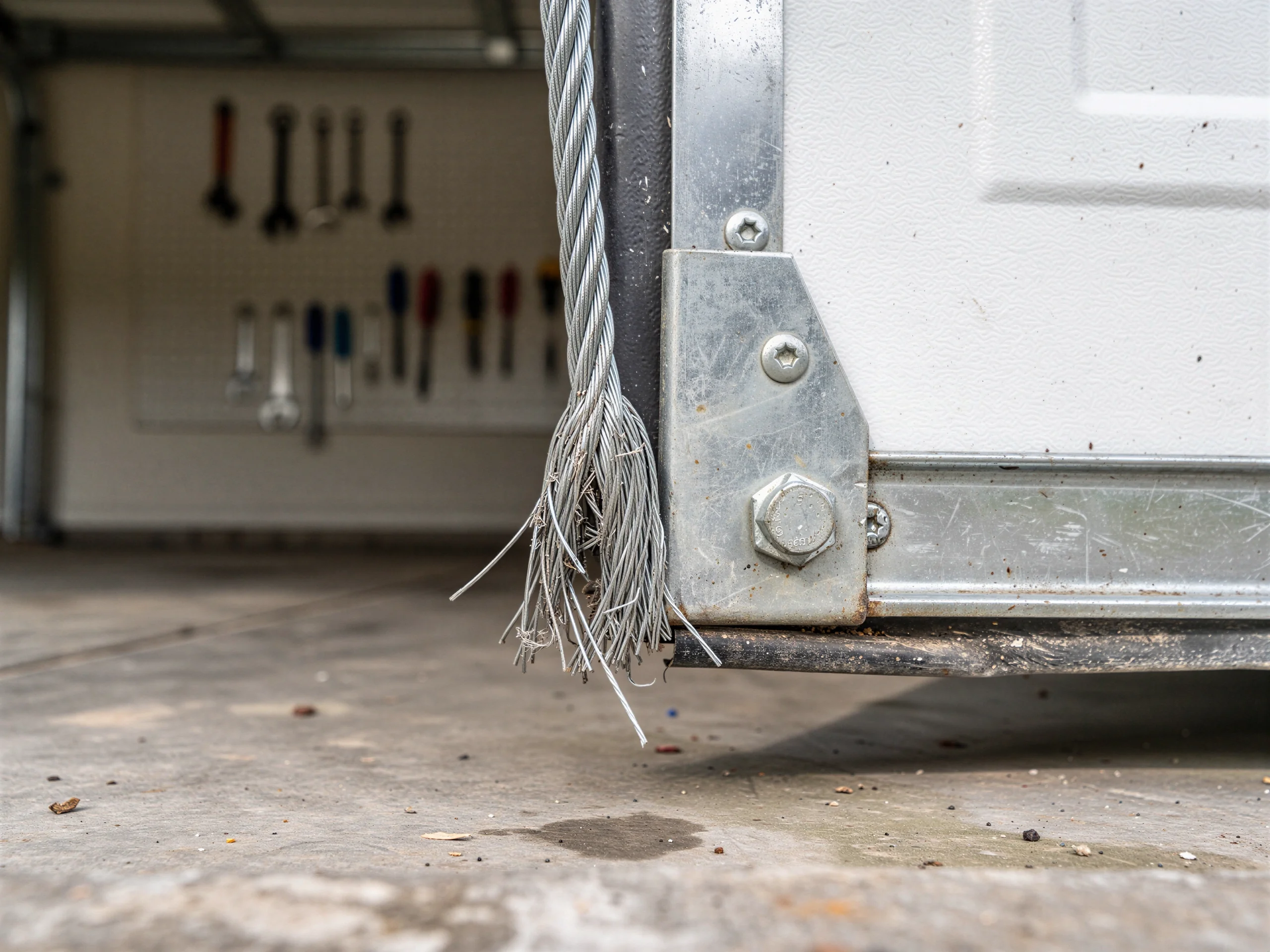
Advance's housing here centers on a median year built of 1997, which puts a lot of original or first-replacement openers right at 25 to 28 years old - past the point most manufacturers expect these units to keep working reliably. The symptom we hear most from this part of the territory isn't a dead unit, it's an intermittent one: the door reverses for no visible reason, the remote range has shrunk to the driveway, or the motor runs but the trolley doesn't grab the carriage. That pattern points to worn drive gears or a failing circuit board rather than anything wrong with the door panel itself. On a newer belt-drive unit, the same age bracket, we're more likely to see a worn belt or a slipping idler pulley instead.
What the Repair Takes
We run the truck out from Lexington, about 12 miles to Advance, and we carry logic boards, drive gear kits, and sensor hardware for the major opener brands that turn up most often on houses from this era. A straightforward board or gear repair is usually a one-visit job once we've confirmed the part. If the opener is old enough that the manufacturer has stopped making boards for it - which happens with units pushing three decades - we'll tell you that on site, because at that point you're paying for parts that are getting harder to source rather than a quick fix, and full replacement often makes more sense than chasing discontinued hardware.
The Complications
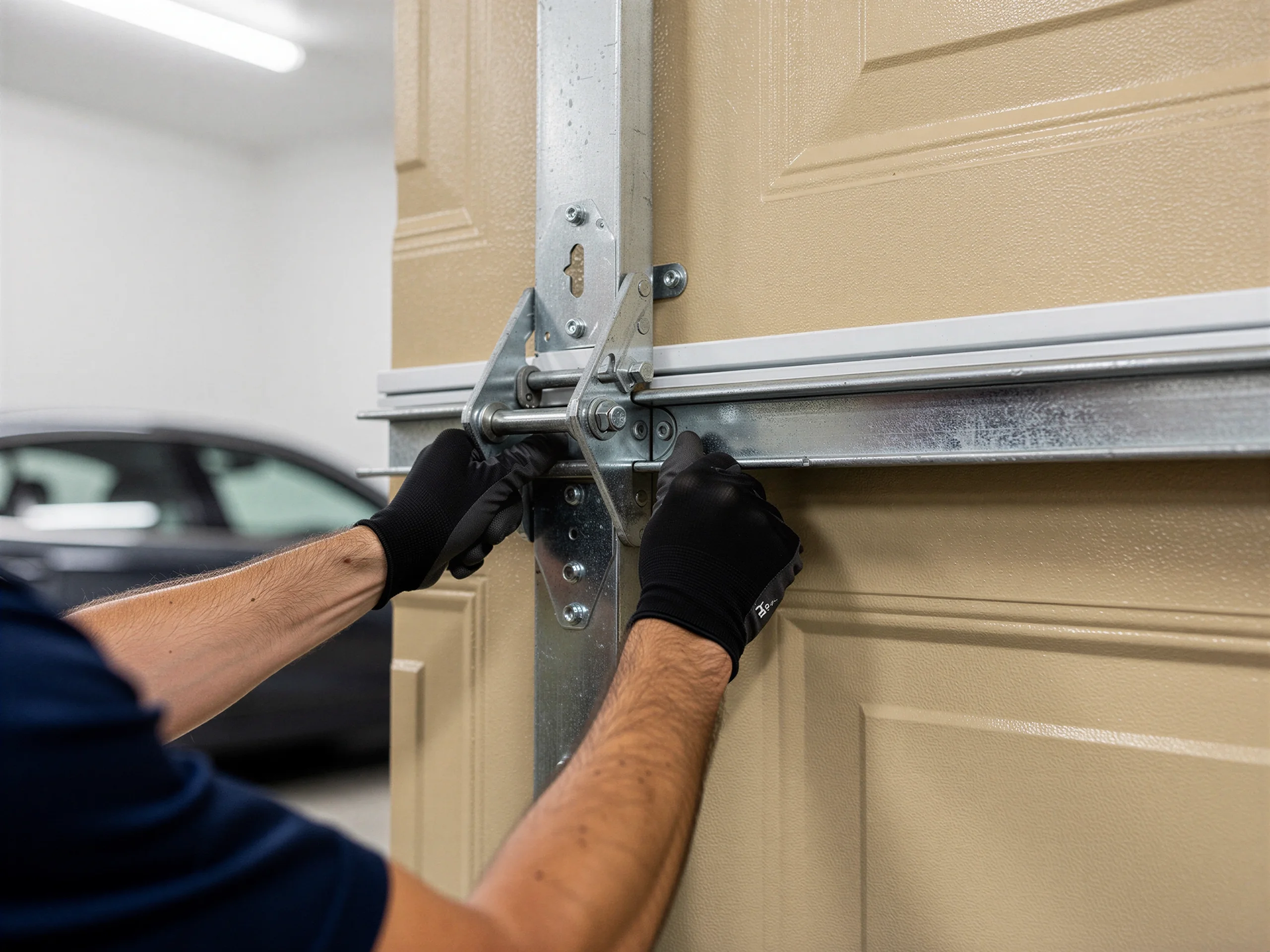
Winters here sit in the moderate-cold band for this region, and cold grease is a real contributor to opener strain - a motor working harder against a stiff chain or belt in January wears its gears faster than the same unit in July. We can't point to a specific storm or season on record, but the mechanical effect of cold on an aging drive system is consistent and it's part of why late-1990s openers in this area tend to fail in winter more than summer. One honest limit: if the opener has been pulling against a spring that's also failing, fixing the opener alone won't solve the symptom - we'll flag that separately rather than replace a motor that was never the real problem.
Talk to a local pro
Garage door service in Lexington?
Same-day service with honest, upfront quotes.