What You Pay
Most houses in Advance went up around 1997, a full decade or more after the broader Lexington service area's median build year of 1983. That later build date matters for opener work: newer framing, newer wiring runs, and in most cases a garage already set up for a dedicated outlet instead of a shared circuit.
Chain versus belt choice
What you pay for an opener swap here comes down to three things: whether we're matching an existing chain-drive unit or moving you to belt-drive, whether the old rail and header bracket from 1997 are still square enough to reuse, and whether your remotes need to talk to a newer rolling-code receiver.
Brand and horsepower pricing
We don't have a published price list for this specific job - every opener brand and horsepower rating prices differently, and quoting a number without seeing the door would be a guess.
Belt and smart-opener demand
What we can tell you is that this part of the territory sits well above the service area's $64,562 median household income, and we see that reflected in more belt-drive and smart-opener requests out here than in some of the older sections we cover.
The DIY Question
Swapping an opener looks like a weekend job on video. For a lot of Advance houses built in the late 1990s, the wiring and header bracket are in decent shape, so the mechanical half of the swap isn't the hard part.
Reversal test is critical
The hard part is the safety reversal test and the force setting, and getting those wrong doesn't show up until someone's hand or a bike is under the door.
Bracket spacing mismatches
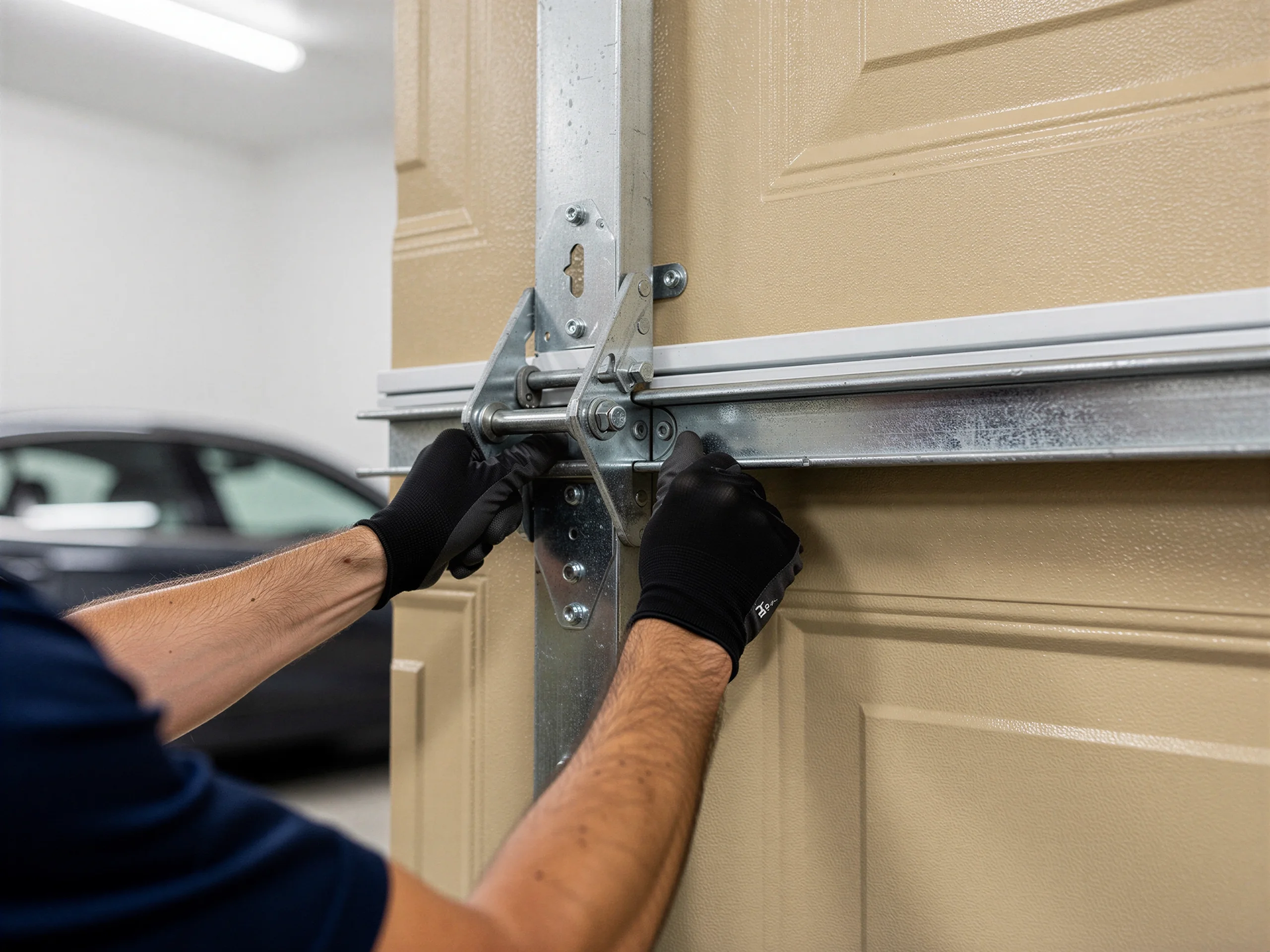
If your house still has the original lift point from 1997, the bracket spacing is often non-standard for the current generation of openers, and that's where DIY installs we get called to fix usually went wrong. We'll say plainly: a straight swap on a door that's already tracking true is within reach for a careful homeowner with the right tools.
Battery backup circuit concerns
What isn't a good DIY candidate is anything where the door itself has drifted out of square, or where you're adding battery backup and want it wired into an existing circuit that was never built for it. That's a call we make in person, not over the phone.
The Symptom
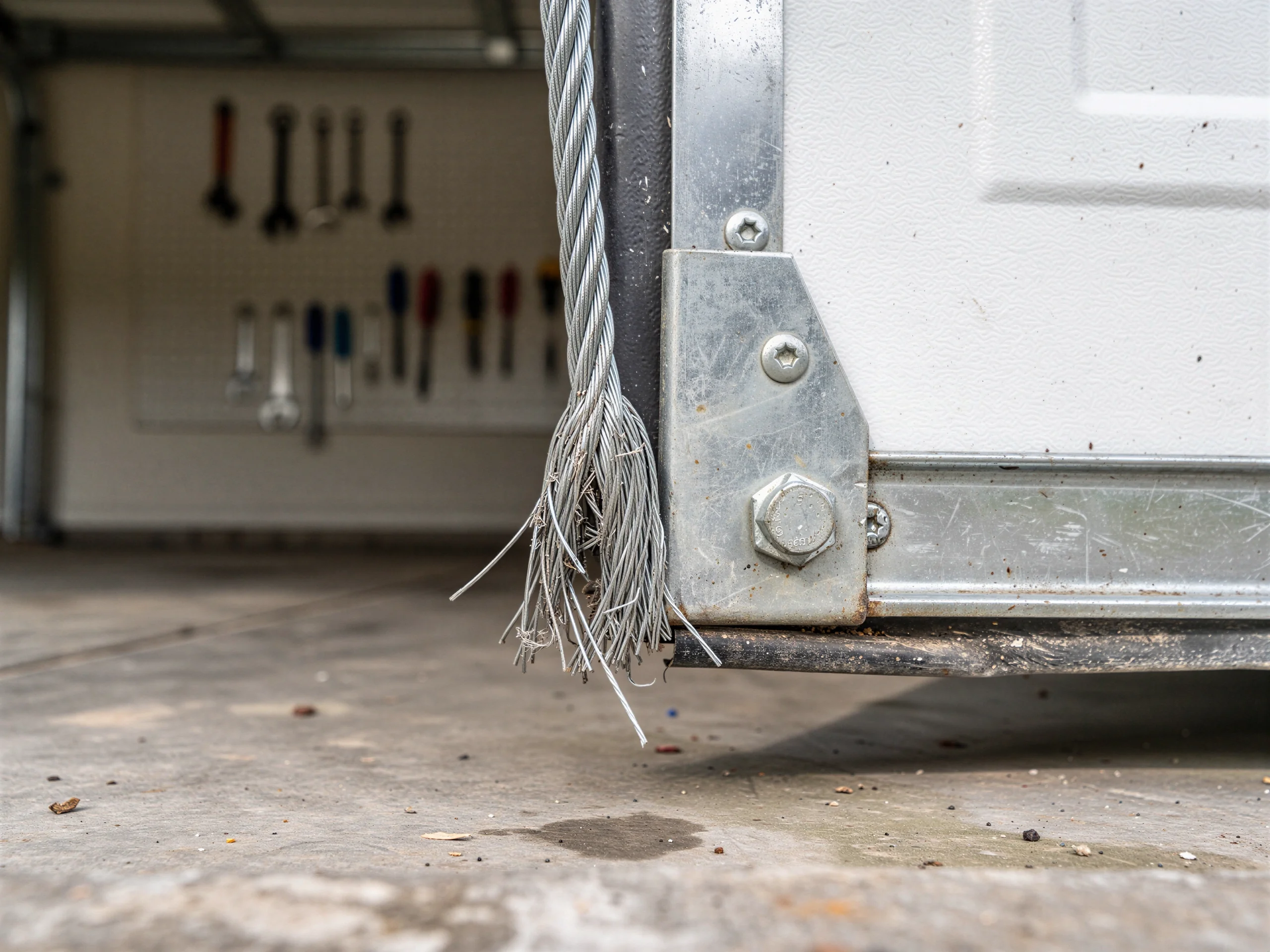
An opener installed when a house in Advance was built in 1997 is closing in on thirty years old. That's past the point where most manufacturers supported that generation of logic board, and it shows up as specific, repeatable symptoms: the remote works only from six feet away, the wall button double-triggers, or the unit runs through its full open-close cycle before grinding to a stop a foot off the floor. None of that is the door failing - it's the opener's board losing the ability to read its own travel limits.
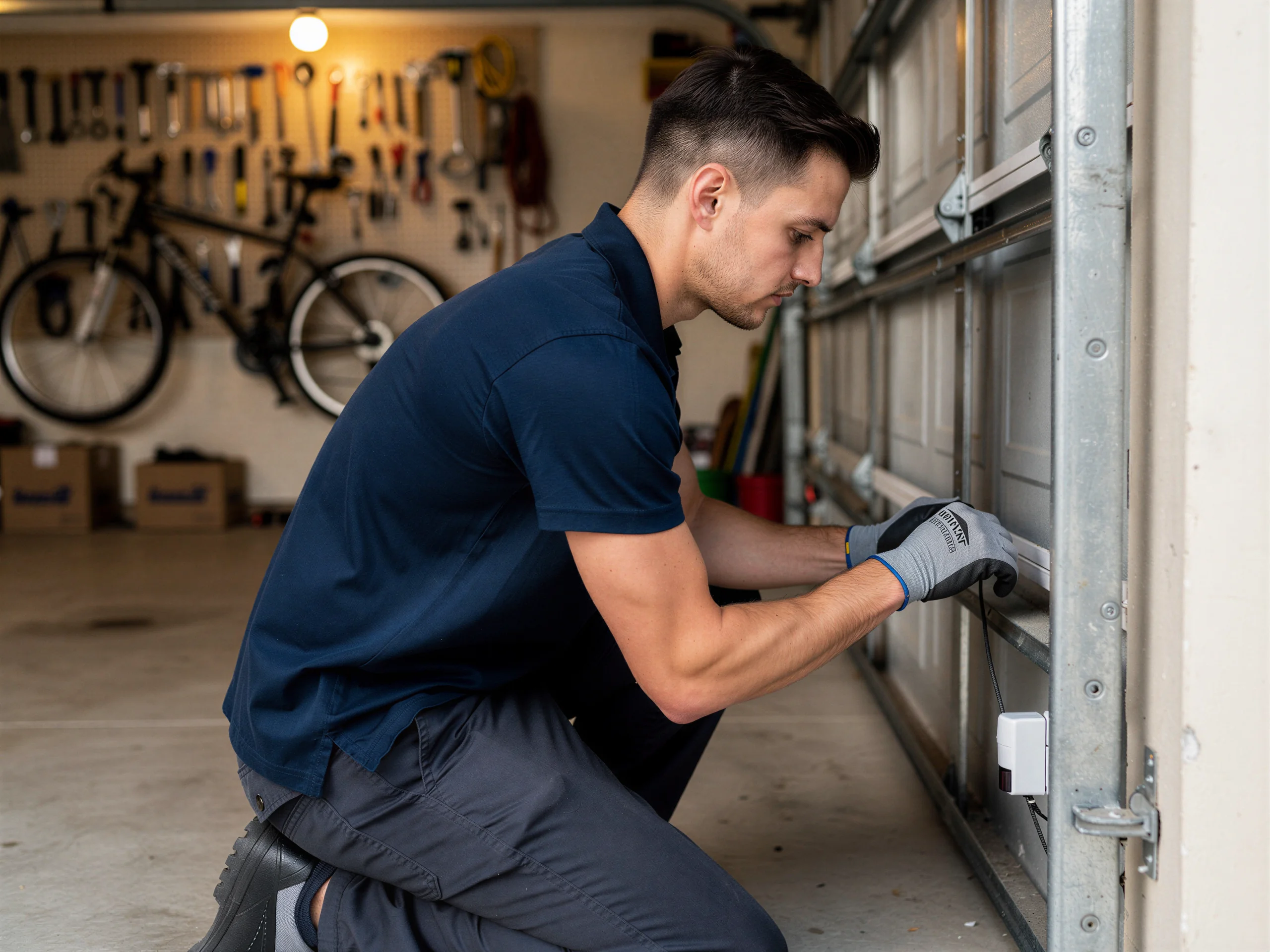
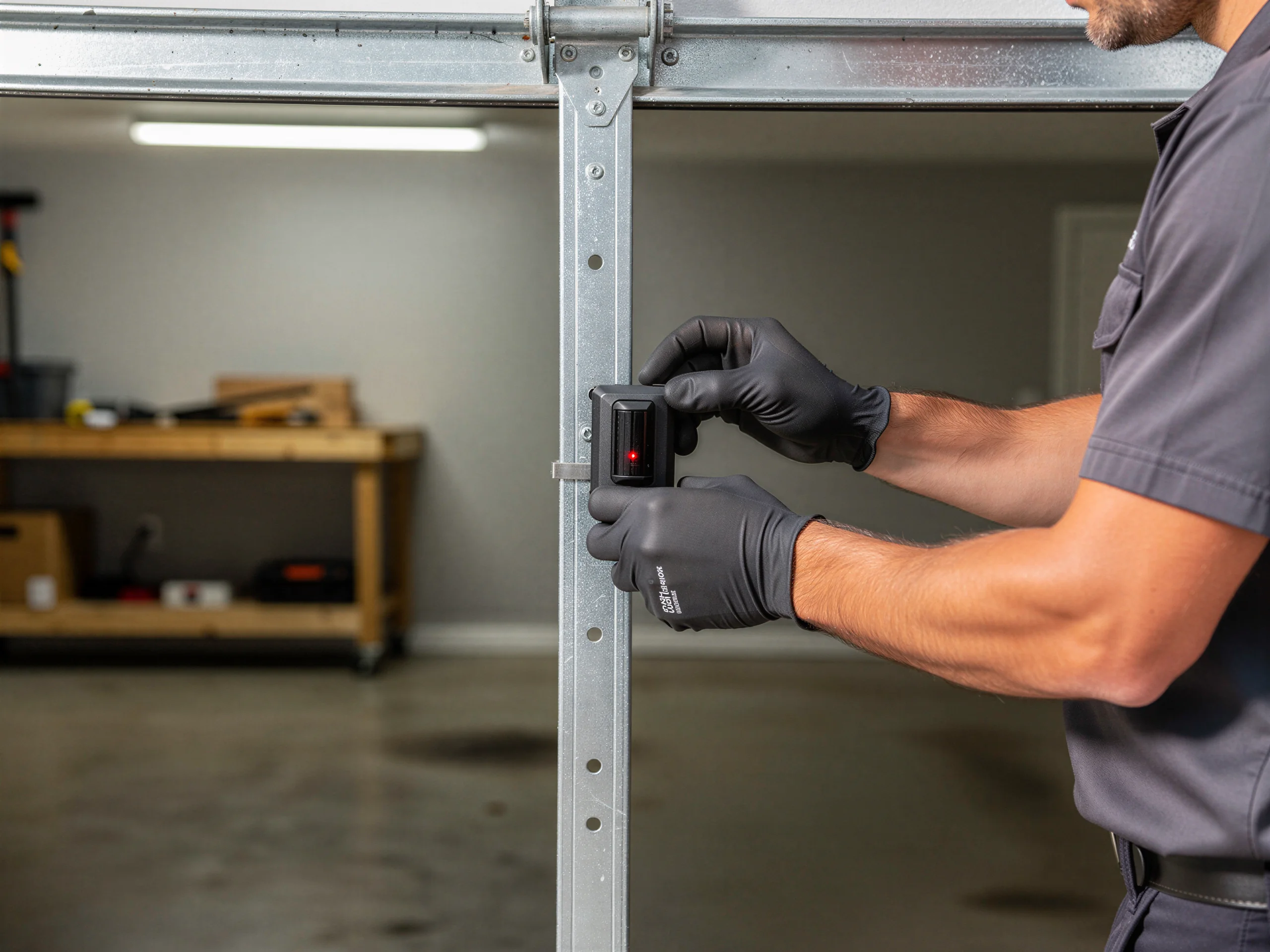
In homes from this build year we also see garages where the safety-reversal sensors were a later retrofit, bolted on when code caught up to the house rather than built in from the start, so the sensor eyes sit slightly out of plumb with the door's actual swing. That's an easy fix once you know to look for it, but it's not something you'd catch without knowing how the house's age plays into it.
What the Repair Takes
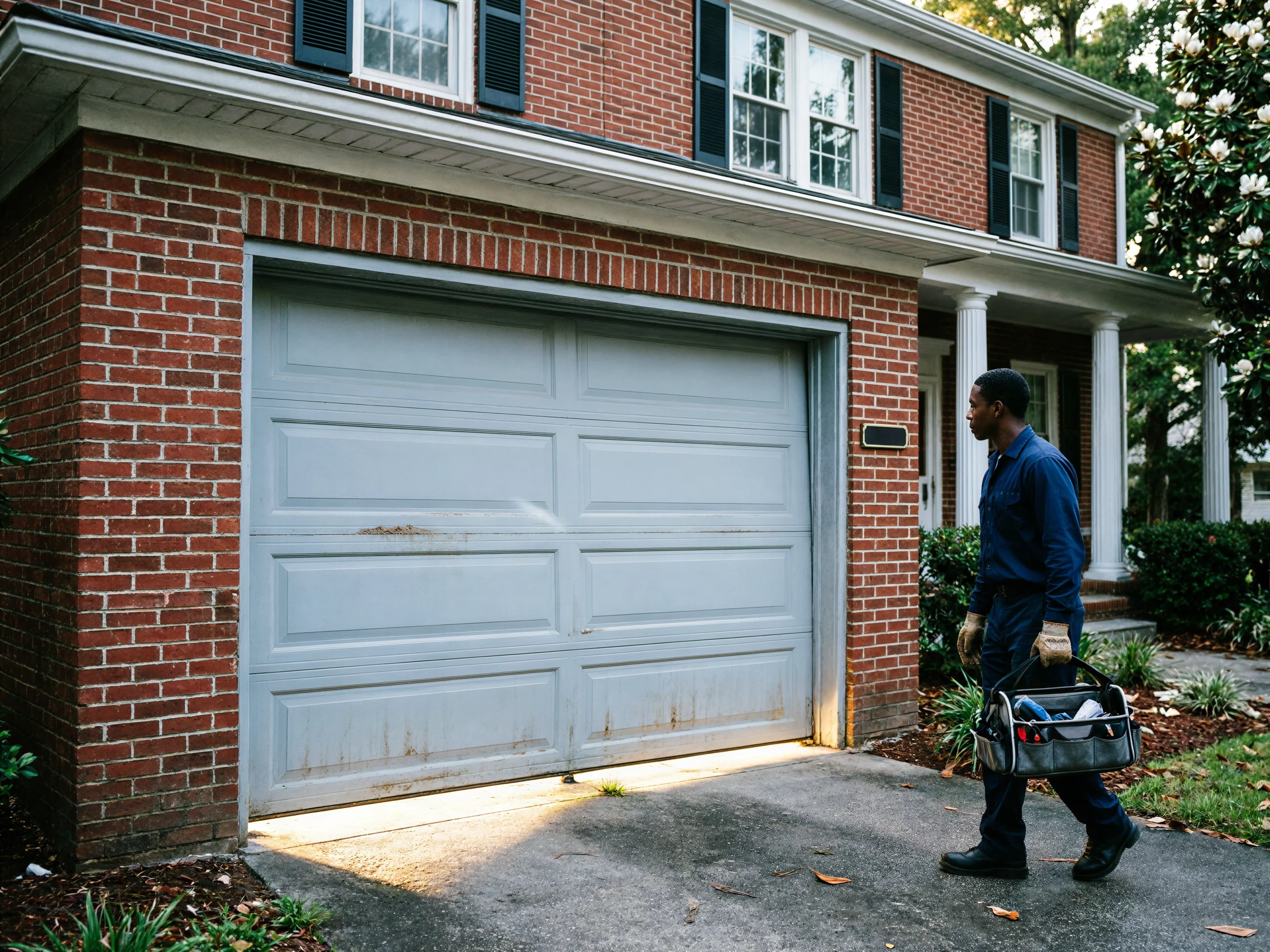
We cover Advance from Lexington, a 12-mile drive, so the job starts with that trip built into the schedule rather than a same-day walk-in.
Checking the original rail
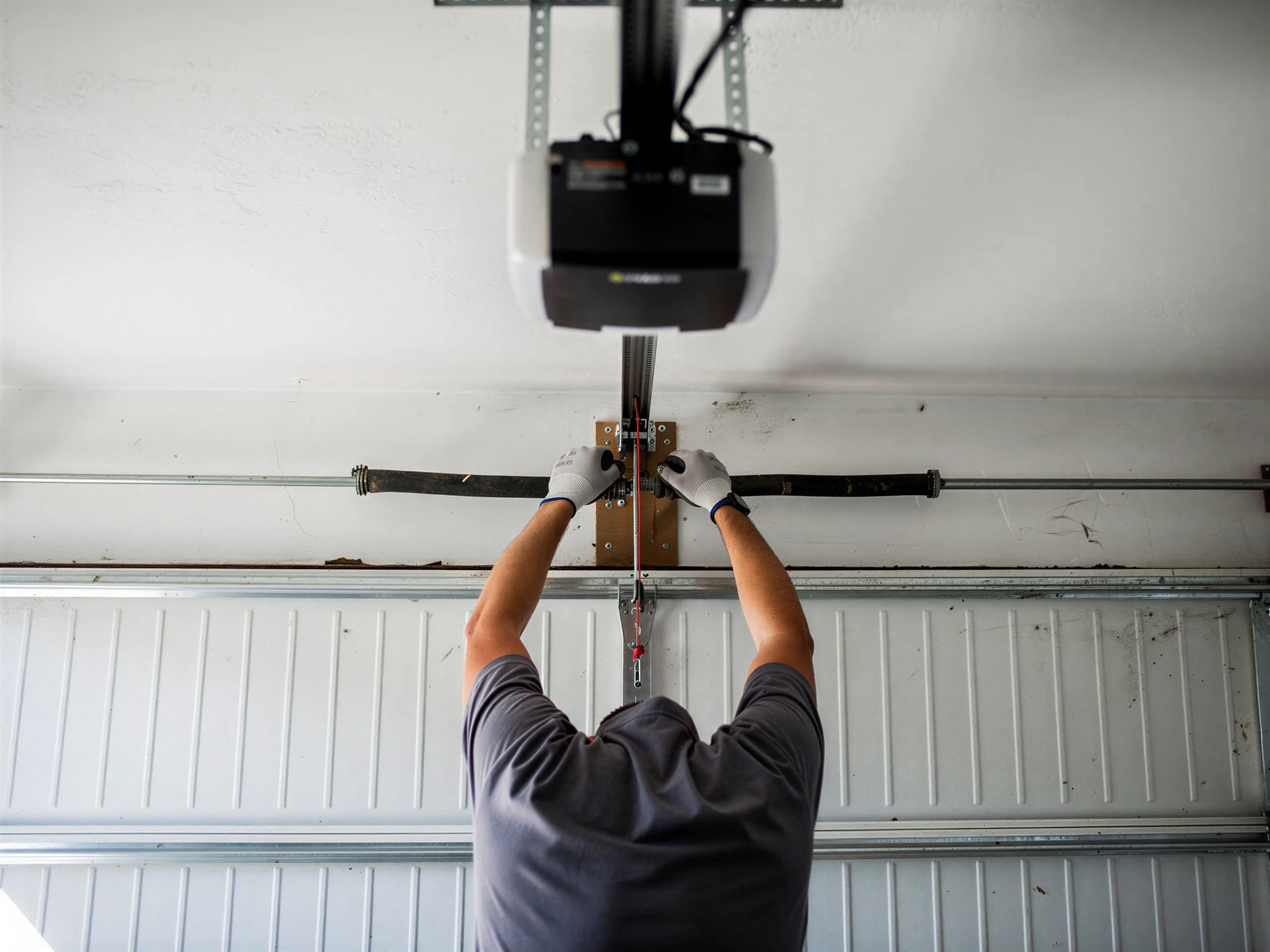
Once on site, a straight opener swap on a door that's already tracking true usually means pulling the old unit, checking the rail and header bracket from the original 1997 install for square, and setting new travel limits and force settings to the door's actual weight - not the factory default. If the bracket spacing doesn't match the new unit, that's additional time cutting and remounting.
Safety reversal double-test
We test the safety reversal twice before we leave: once with a 2x4 under the door's open path, once with the photo-eye sensors blocked. If your remotes are also old enough to be original to the house, we'll check whether they're compatible with a modern rolling-code receiver or whether you need new ones - that's a five-minute add, not a separate visit.
The Complications
The complications we run into in Advance aren't the same ones we see in the older pockets of the territory where houses date to the 1960s or earlier. Here, with most stock built in the 1983-to-1998 window and this area's homes clustering toward the later end of that, the door and track are usually in reasonable shape, but low garage ceiling clearance from builder-grade framing of that era can rule out certain high-lift or jackshaft opener configurations.
We also see detached garages without a phone line or existing low-voltage run, which matters if you want a wired keypad instead of relying on wireless. One honest limit: if your door is original to the house and hasn't been serviced, we're not going to install a new opener on a door that's binding or off its rollers and call it done - that just transfers the strain from a worn part onto a brand-new motor. We'll flag that before we start, not after.
Talk to a local pro
Garage door service in Lexington?
Same-day service with honest, upfront quotes.