What You Pay
Advance's houses carry a median build year of 1997, a good fifteen years newer than the 1983 median across the rest of the service area.
Insulated panels cost more
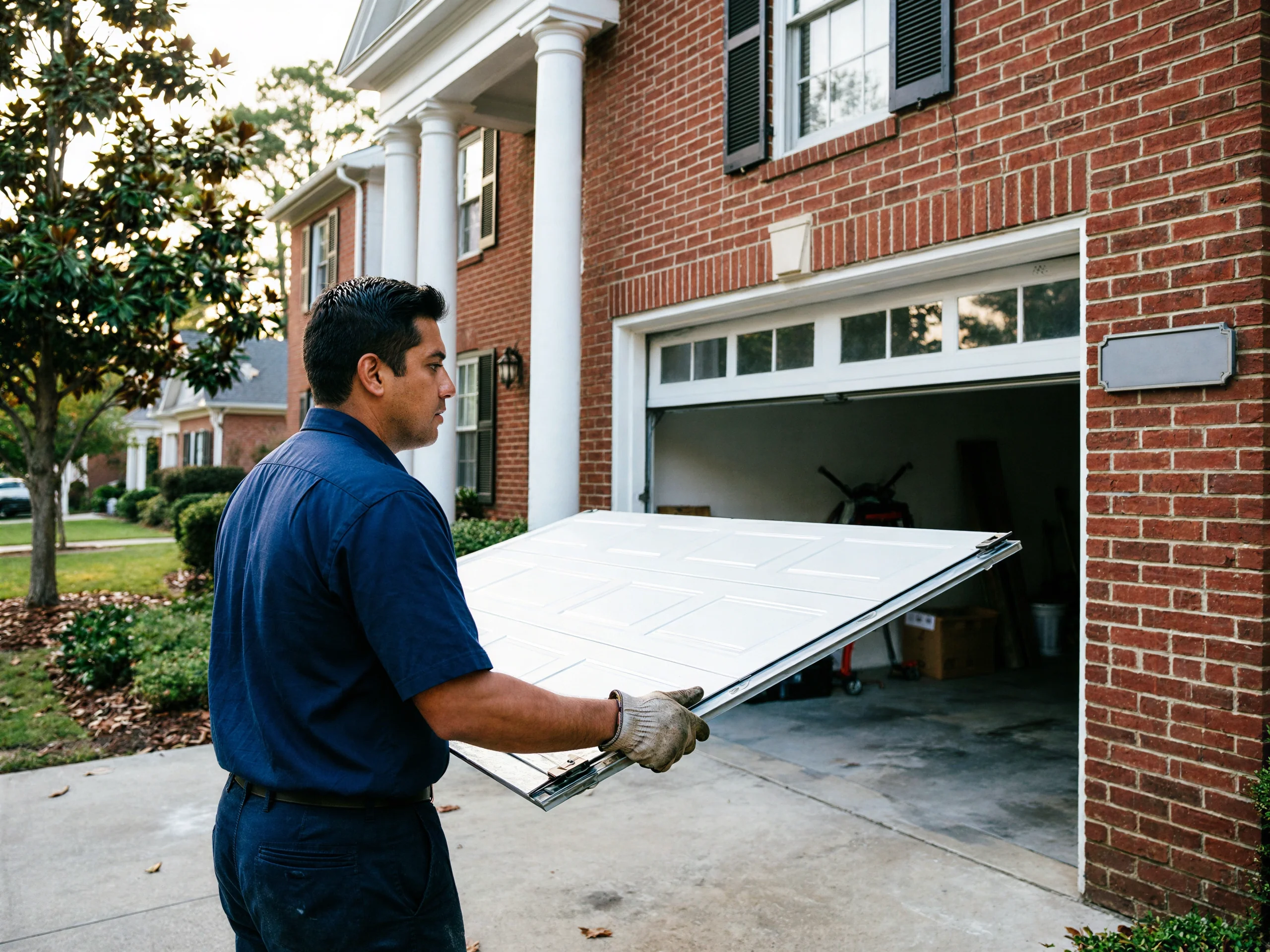
That matters for cost because newer steel sectional doors usually take a factory-painted, insulated panel rather than the thin single-layer steel common on older stock - and insulated panels cost more to source and swap than bare steel ones. We don't have a flat number to quote you here, and we're not going to invent one.
Width and finish matching
What we can tell you is that the math runs on three things: whether your panel is a standard width that a supplier stocks, whether the color and texture still match what's on the rest of the door, and whether the track or hinges took damage along with the panel.
Layered doors change parts
Household income in Advance runs $109,402, well above the $64,562 median for the wider area, and homes in this price bracket more often went in with insulated or layered steel doors, which changes the parts list. We quote after we've seen the door and pulled the model number off the sticker inside the top panel, not before.
The DIY Question
A single panel swap looks simple online - pull the hinges, slide the old section out, bolt the new one in. On a door built around 1997, the harder part isn't the labor, it's finding a panel that matches.
Profile changes over years
Steel door lines from that era went through several profile changes, and a manufacturer that's still in business may have moved on to a different panel height or raised-rib pattern since.
Wrong width won't seal
If you order the wrong width or rib spacing, it won't sit flush against its neighbors, and the door won't seal right against weather coming off a cold winter - Advance sits in the same moderate-cold climate band as the rest of the area, so a gap at one panel seam is a real heat-loss problem, not just a cosmetic one.
Finish and profile matching
We'll say the honest thing here: if your panel is a common width and you're comfortable with a ratchet and a ladder, this isn't a job that requires a license. Where people get stuck is matching finish and profile, and that's the part we spend the most time on before we ever touch a bolt.
The Symptom
The most common call we get from this stretch of homes is a dented or cracked bottom panel - usually from a car bumper, a trash can getting shoved too hard, or a basketball that found the wrong spot one too many times.
Seam moisture damage
On doors from the late 1990s, that bottom panel is also the one most likely to have picked up moisture damage at the seam over the years, since insulation backing from that era wasn't always sealed as tight as what goes in today.
Wind-bowed panels
A second pattern we see is a panel that's bowed rather than dented - pushed in from wind pressure rather than impact. With 495 households spread across Advance, we don't get enough call volume to say this is more common here than anywhere else, but it does show up on doors of this age and wall height.
Door not sitting flat
Either way, the giveaway is usually a door that still opens and closes but doesn't sit flat against the frame anymore, or a visible gap at one corner where it used to seal clean.
What the Repair Takes
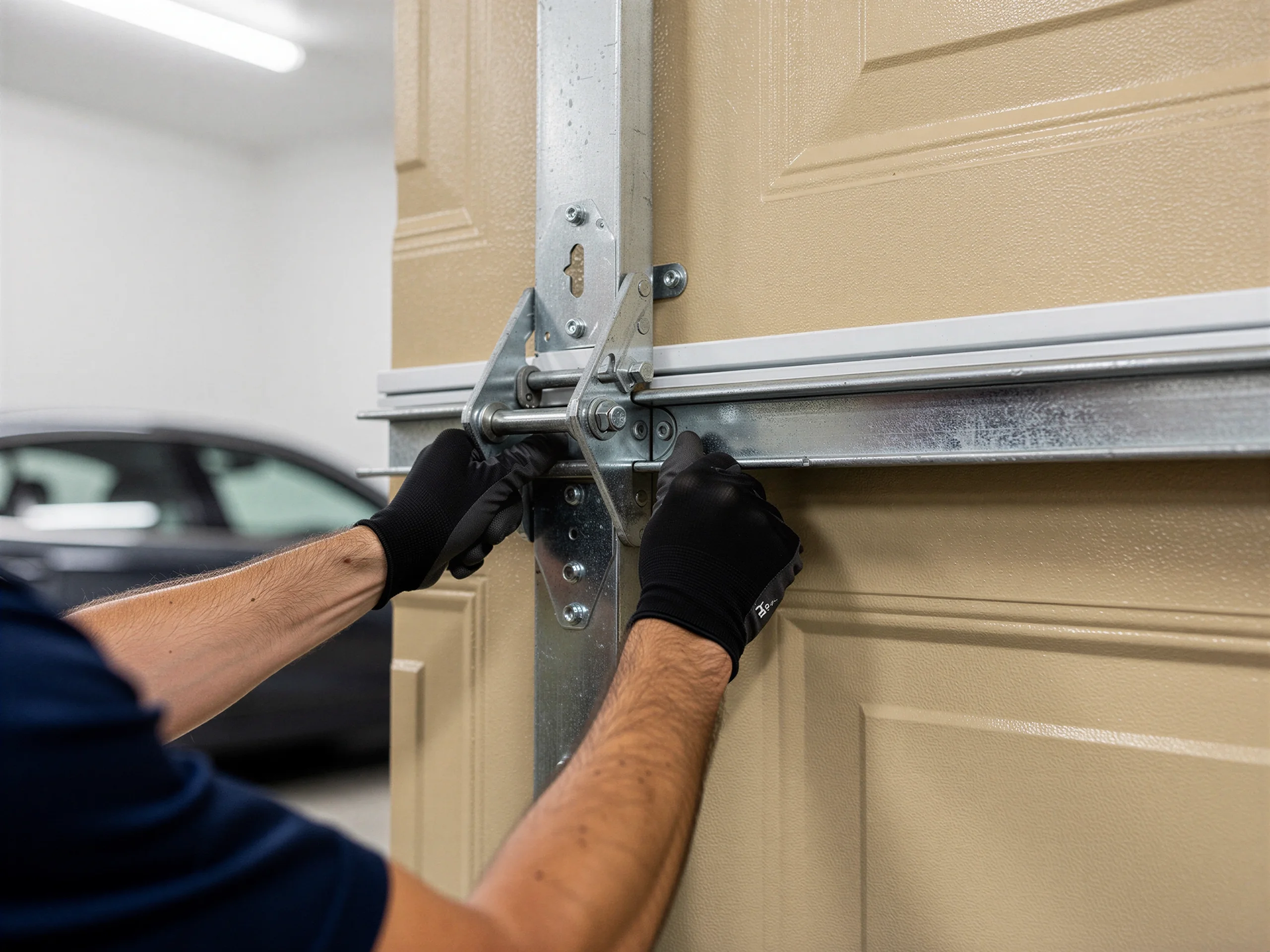
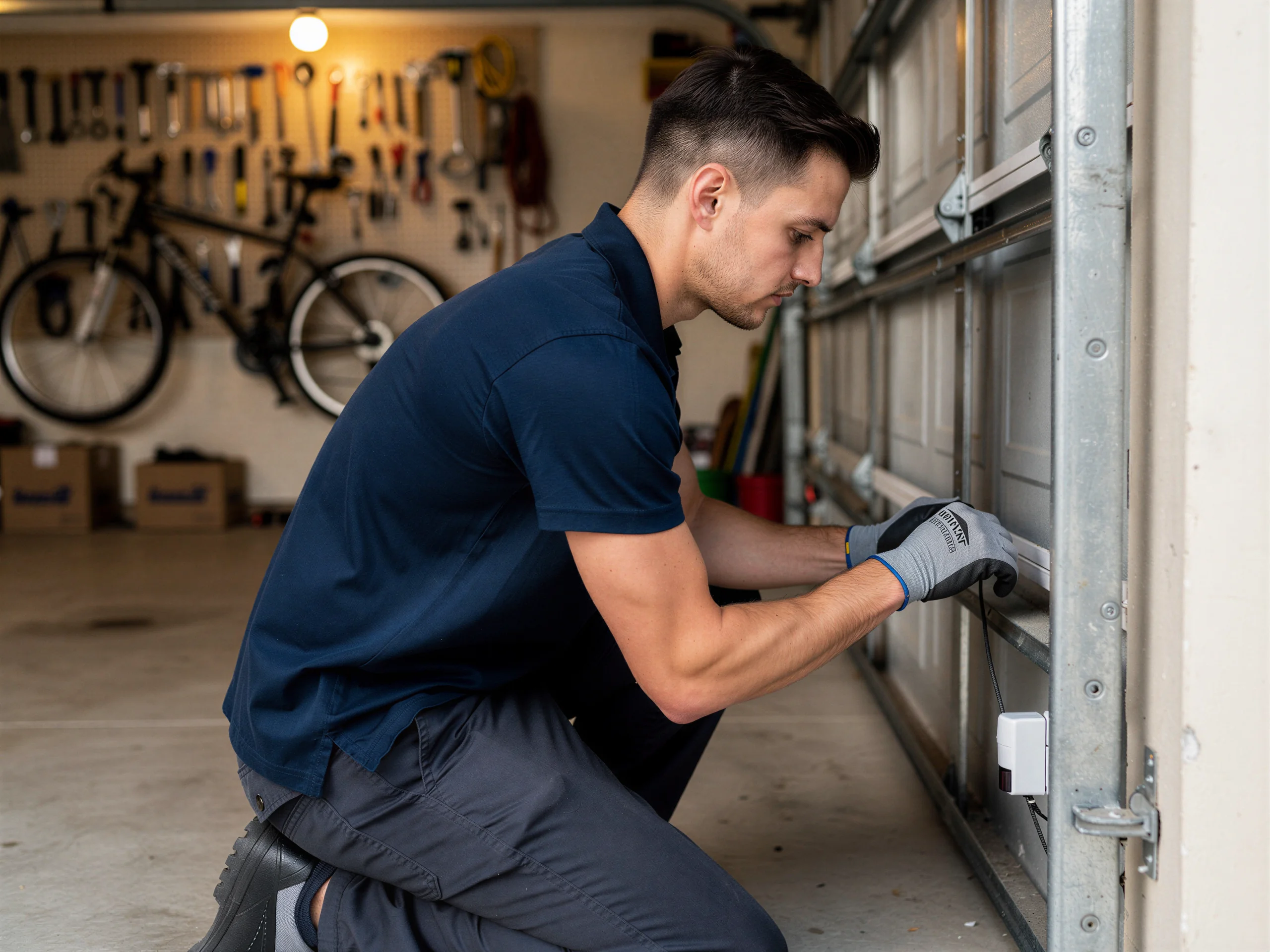
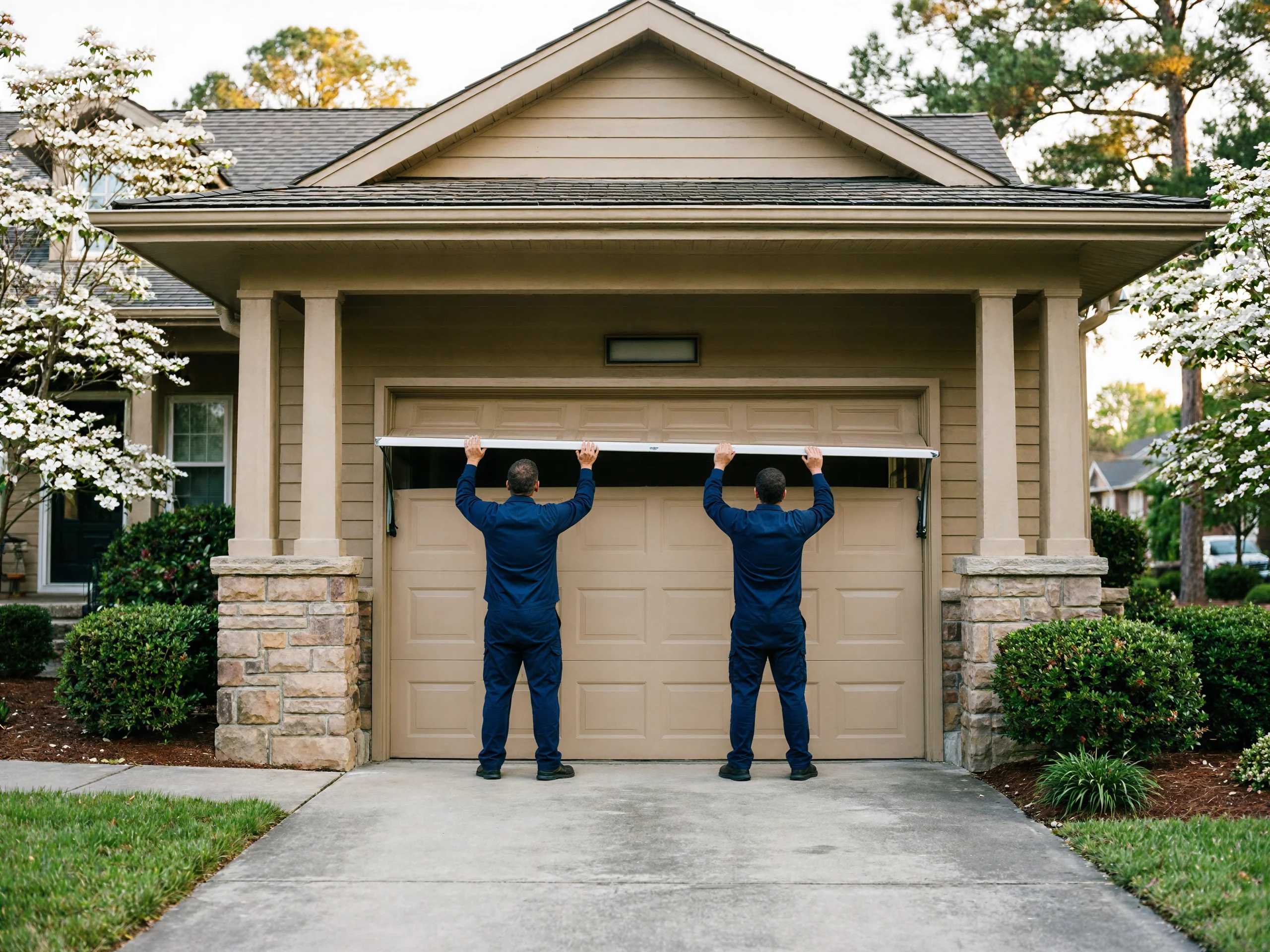
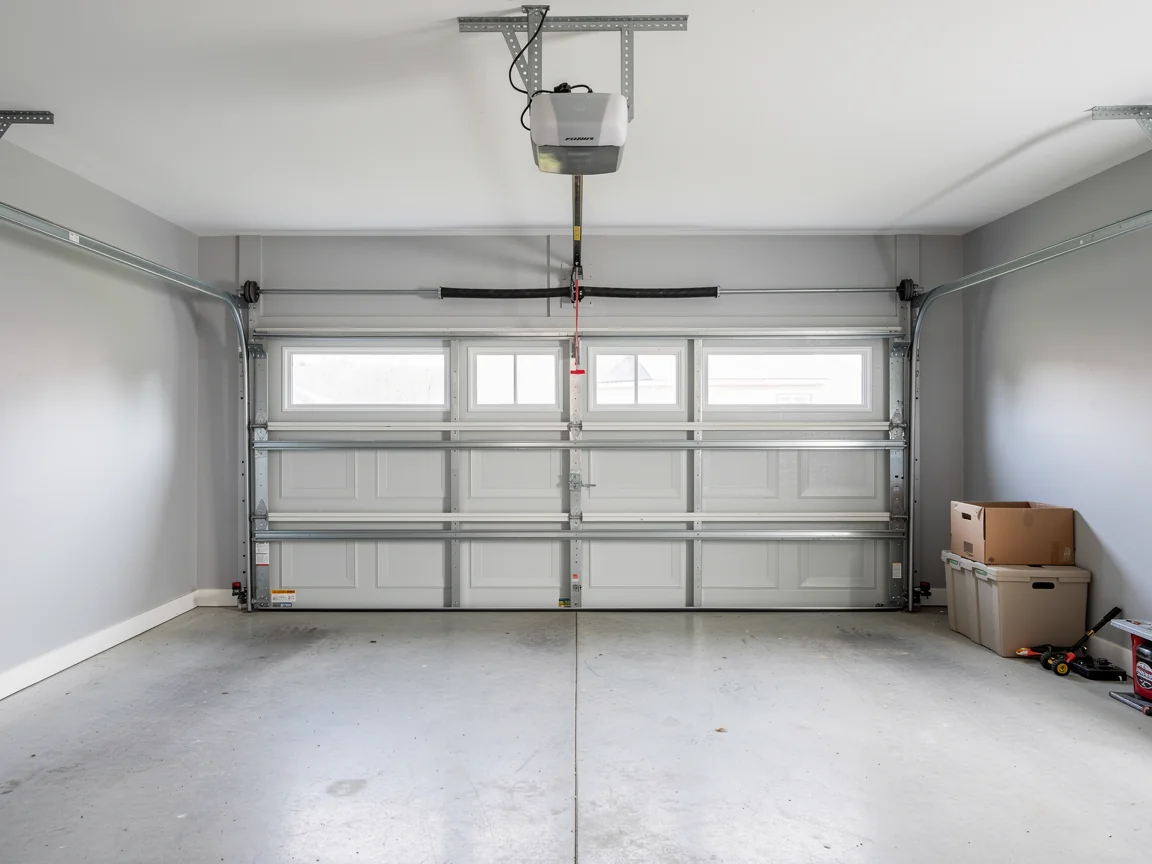
Once we've got the model and section number off the door, the job itself is mechanical: unbolt the hinges on either side of the damaged section, slide it free of the track rollers, and set the replacement panel in its place. On an insulated panel, that also means transferring or replacing the foam core backing so the new section matches the R-value of the rest of the door - skipping that step leaves one section of the door colder than the rest, which shows up as condensation in winter.
The part that actually takes the time is sourcing. If the panel is a current model, we can usually get it ordered and installed without much delay. If it's a discontinued profile from a door that's been out of production a few years - which is a real possibility on something built around 1997 - we're waiting on a supplier, and that wait isn't something we control.
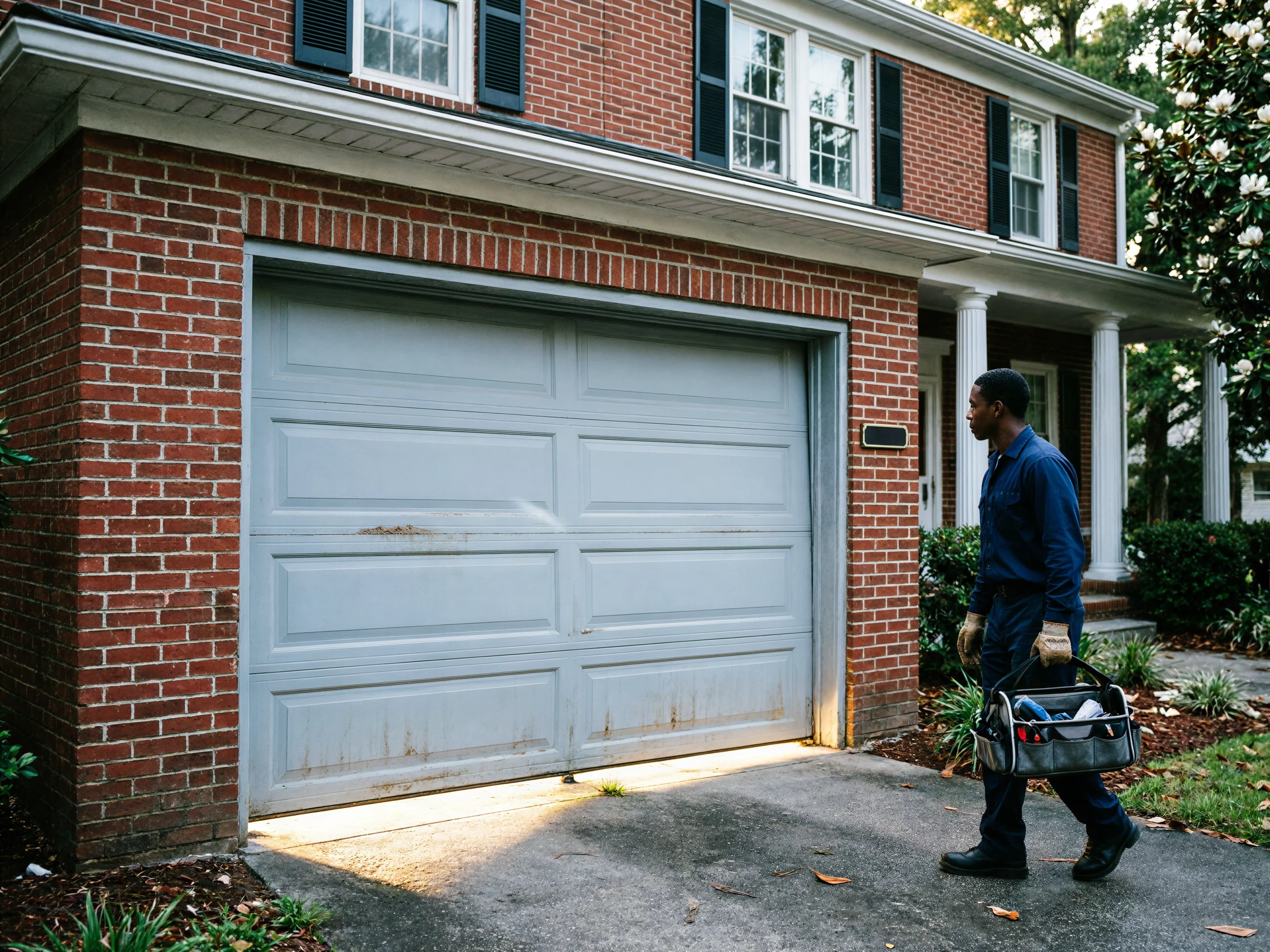
We travel the 12 miles out from Lexington for this kind of job regularly; it's not a special trip, just a normal one on the route.
The Complications
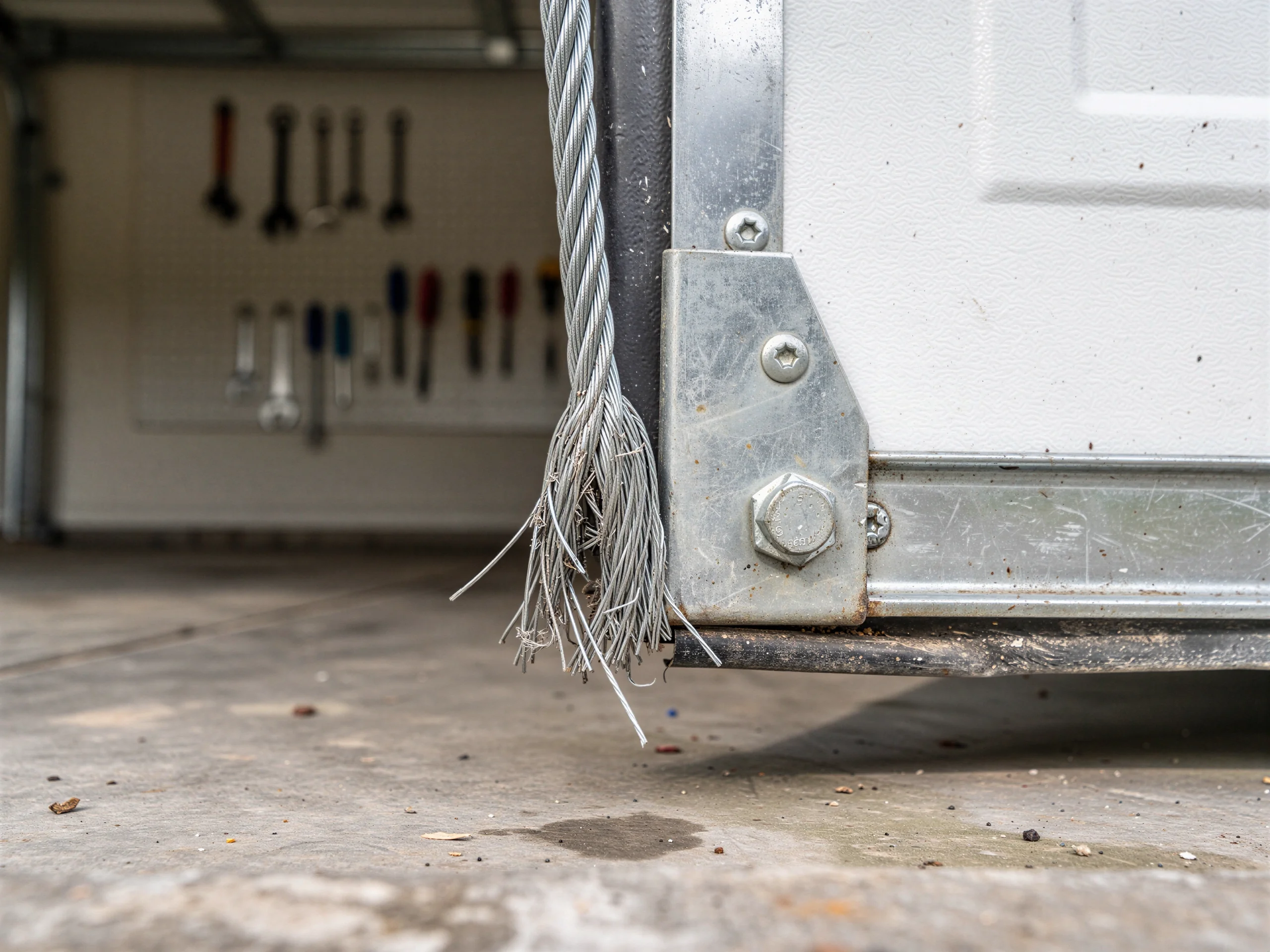
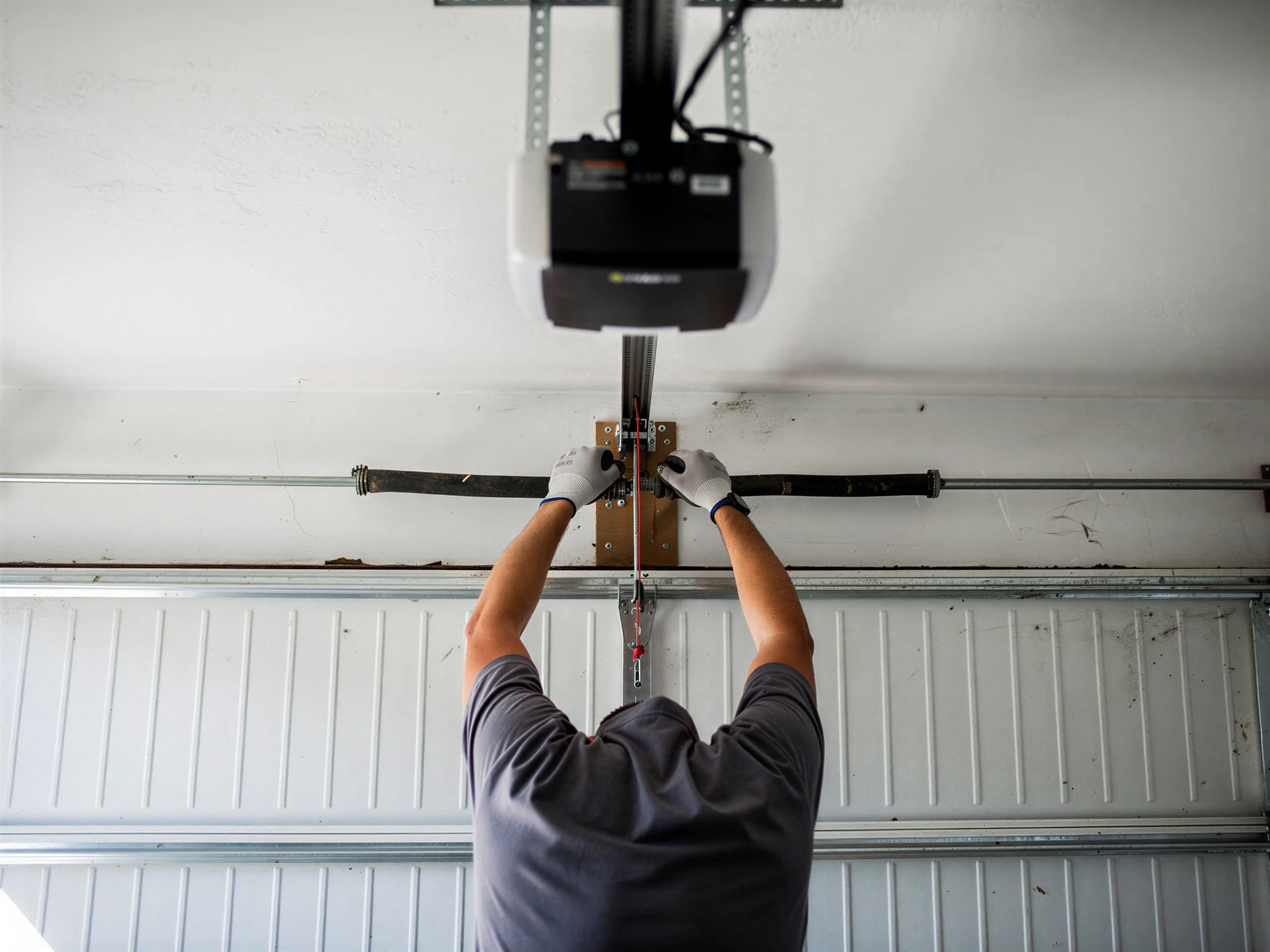
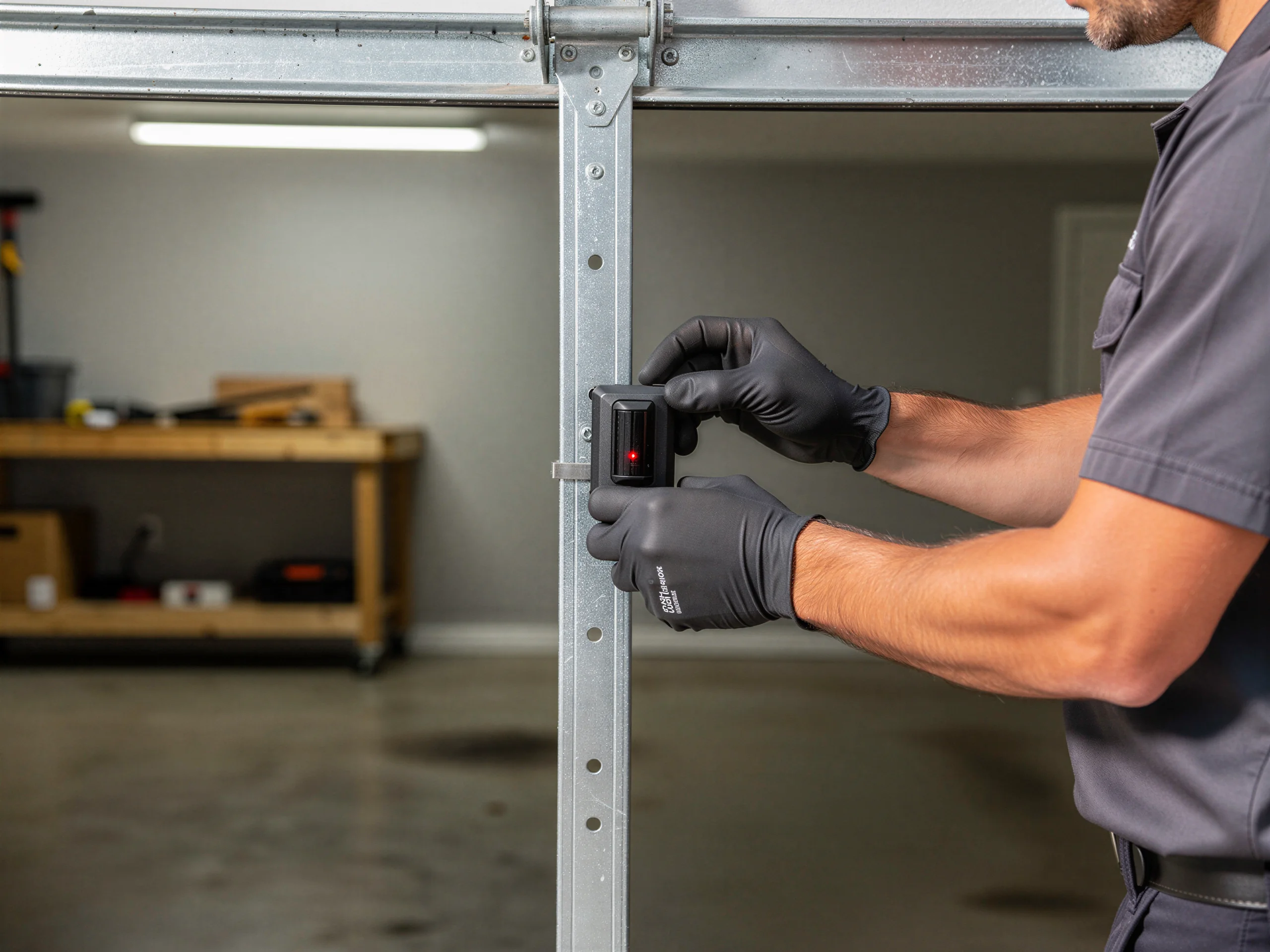
The complication we run into most on doors this age is the track and hinge hardware around the damaged panel. A dent severe enough to need panel replacement usually bent something else too - a hinge, a roller stem, or the track itself - and that hardware has to get checked and often replaced at the same time, or the new panel will fight the old alignment from day one.
Color match is the second issue. A panel that's sat exposed to roughly twenty-five years of weather will have faded or chalked compared to a brand-new section, even from the same manufacturer. We'll tell you upfront if we think the mismatch will be visible - sometimes the honest answer is that a full door replacement makes more sense than patching one section, especially if the door's old enough that a second panel is likely to go in the next few years anyway.
We don't push a full replacement to pad a job. If one panel will get you another decade of use, that's what we'll recommend.
Talk to a local pro
Garage door service in Lexington?
Same-day service with honest, upfront quotes.