Why It Happens Here
Spencer's houses started going up in 1955. That's decades ahead of the 1983 median build year across the wider service area we cover from Lexington, and it matters more than it sounds like it should. A door and opener installed on a house built in the late 1950s or 1960s is a different animal from one going into a house from the 1980s or 90s. Older openings often carry single-piece or early sectional doors on side-mounted torsion hardware, sometimes retrofitted more than once over sixty-plus years. The track alignment, the spring winding, even the header clearance can all be non-standard by today's measurements.
With 1,351 households in Spencer, the housing here is a small slice of the roughly 19,193 households across the whole area we run trucks through, and a smaller slice still is the 11,737 owner-occupied houses we see the most repair calls from. A smaller, older pocket like this one tends to carry hardware that's harder to source off a standard parts shelf, which is the main reason the call for a stuck or broken door here looks different from a call in a newer subdivision twelve miles away.
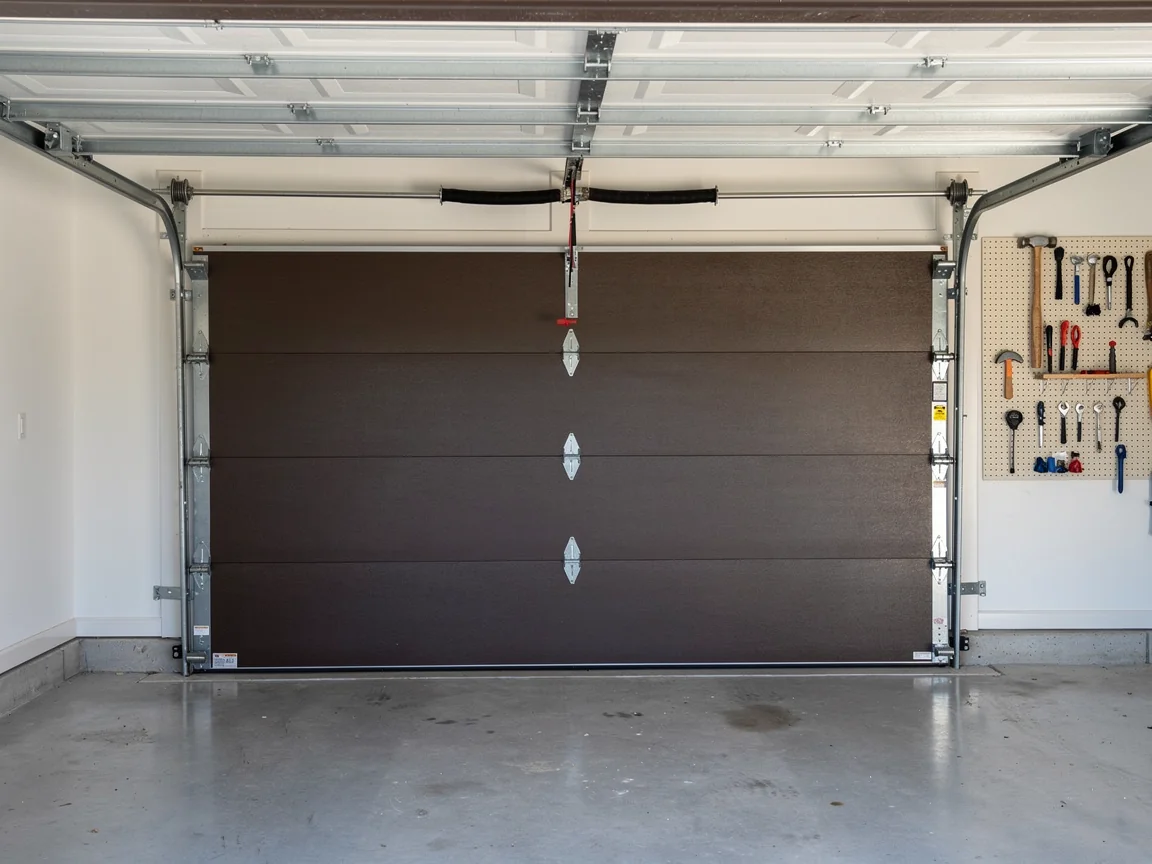
The Symptom
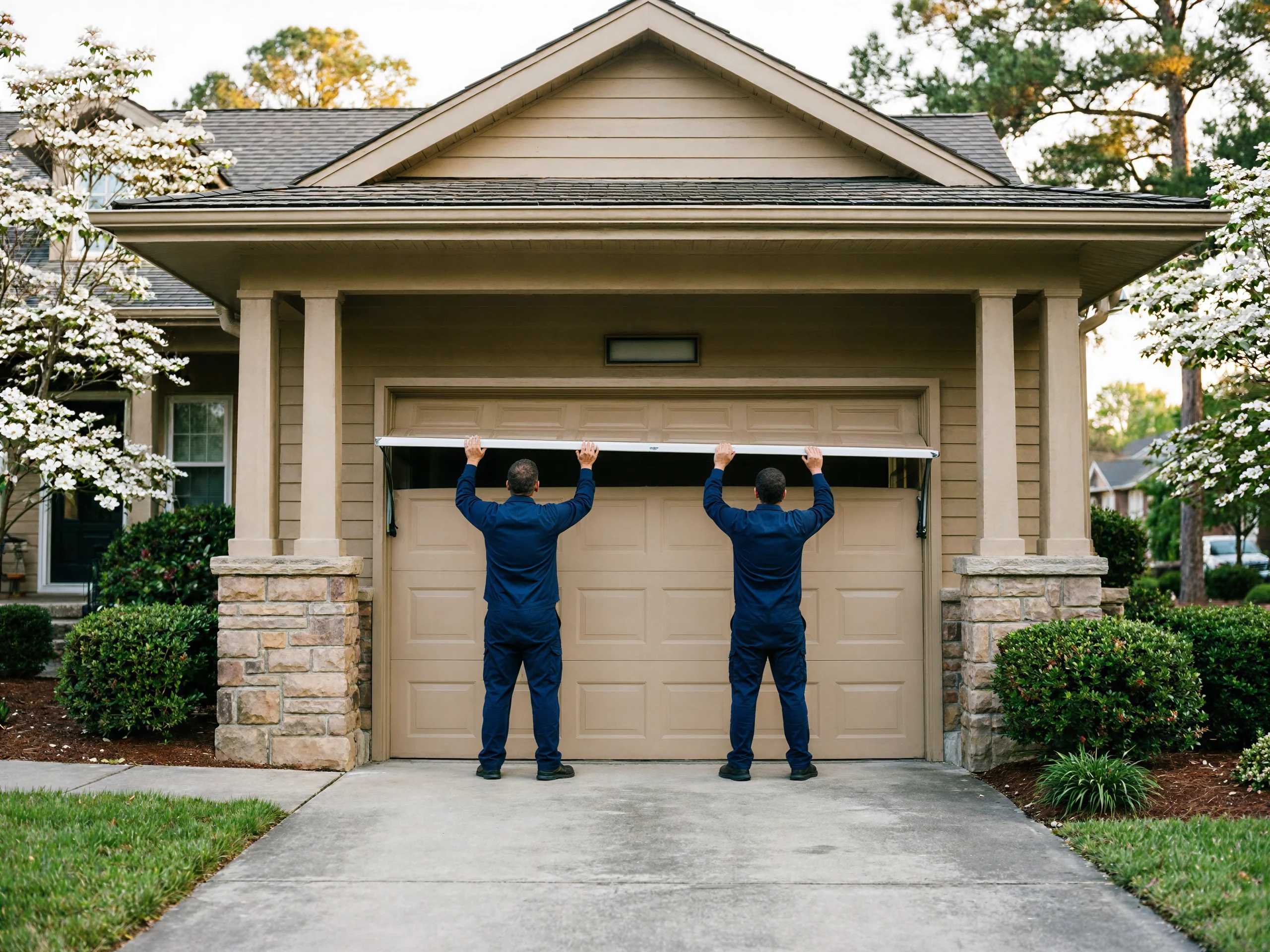
The service area sits in a cold-moderate climate band, and on houses this age the symptoms show up in specific ways. A torsion spring on a 1955-1965 door has usually been wound and rewound by more than one owner over the decades; cold mornings are when the fatigued coil finally gives, and the door drops hard or won't lift past a foot off the slab.
Drum assemblies never swapped
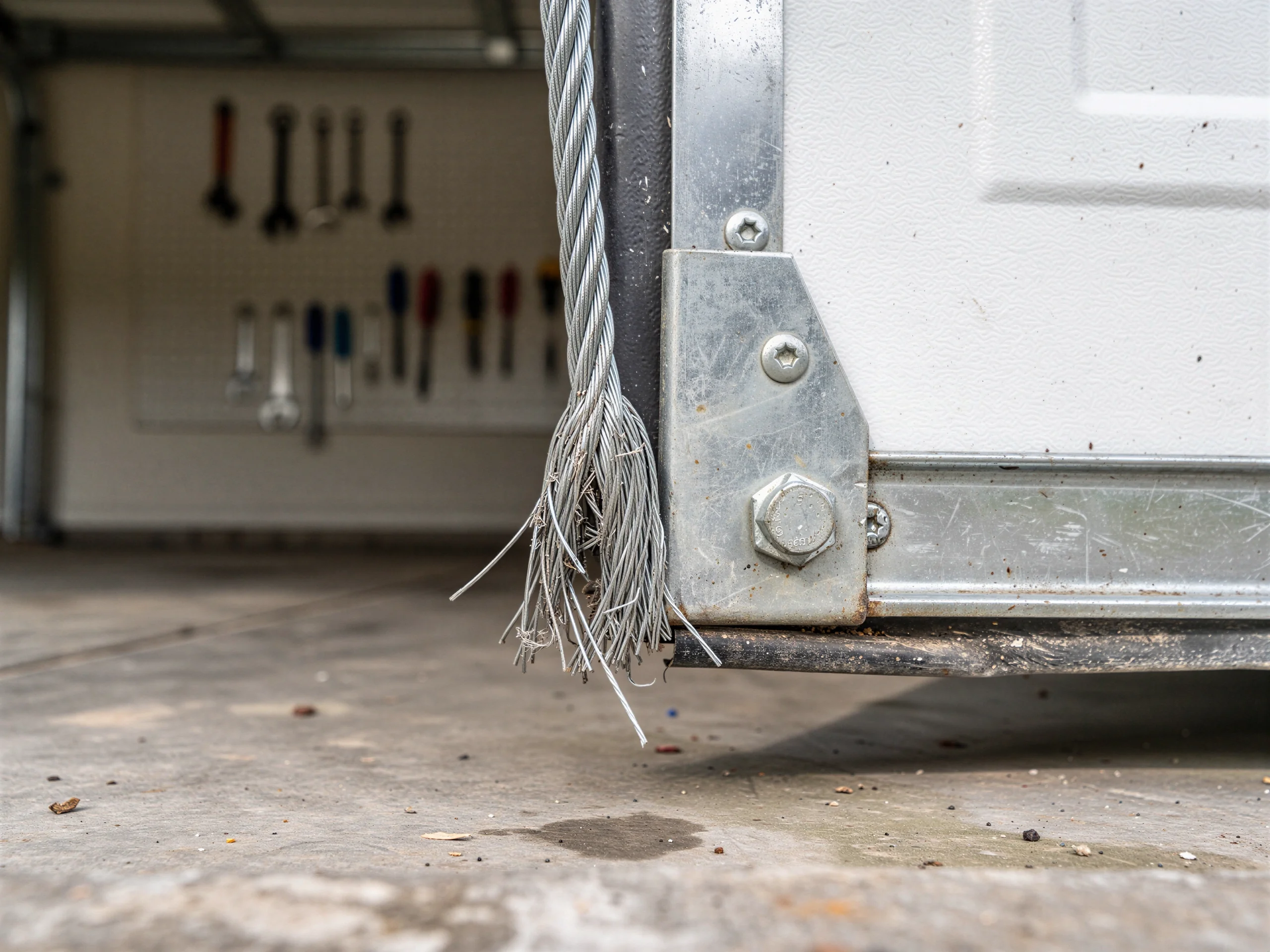
On these older openings you're also more likely to see cable fray at the drum, because the drum and shaft assemblies on houses this vintage were rarely swapped out when the door itself got a facelift.
Crooked running tracks
The other common symptom is a door that runs crooked in the track rather than stopping outright. On a house built new in the 1980s the tracks are usually square to a tolerance a modern opener can compensate for.
Roller jumps track
On a house framed in the mid-1950s, sixty-some years of settling can throw that alignment off enough that a worn roller catches, binds, and finally jumps the track at the worst possible moment.
What You Pay
We don't have a flat number to quote here, and we're not going to invent one just to fill the section. What drives the cost on a Spencer call is almost always the hardware itself: whether the spring, drum, or track is a standard size you'd find on a door built any decade, or whether it's an older, non-standard fitting that takes extra time to match or adapt. A straightforward spring swap on compatible hardware is a different job, and a different bill, than one where the tech has to improvise a fix for a track or header that doesn't match current stock.
Income in Spencer runs close to the rest of the area we serve, with a median household figure of $64,031 against $64,562 across the broader service area, so we're not pricing this differently than any other stop on the route. What changes the final number is the door in front of us, not the zip code.
What the Repair Takes
On a house from Spencer's 1955-era stock, the first step is usually confirming what's actually on the wall before touching anything: spring wind direction, drum size, and whether the track is still the original gauge or a later replacement.
Sudden total spring failure
Doors from this build era were often fitted with single torsion springs on lighter doors, which means the failure mode is usually sudden and total rather than a slow fray.
Standard spring replacement steps
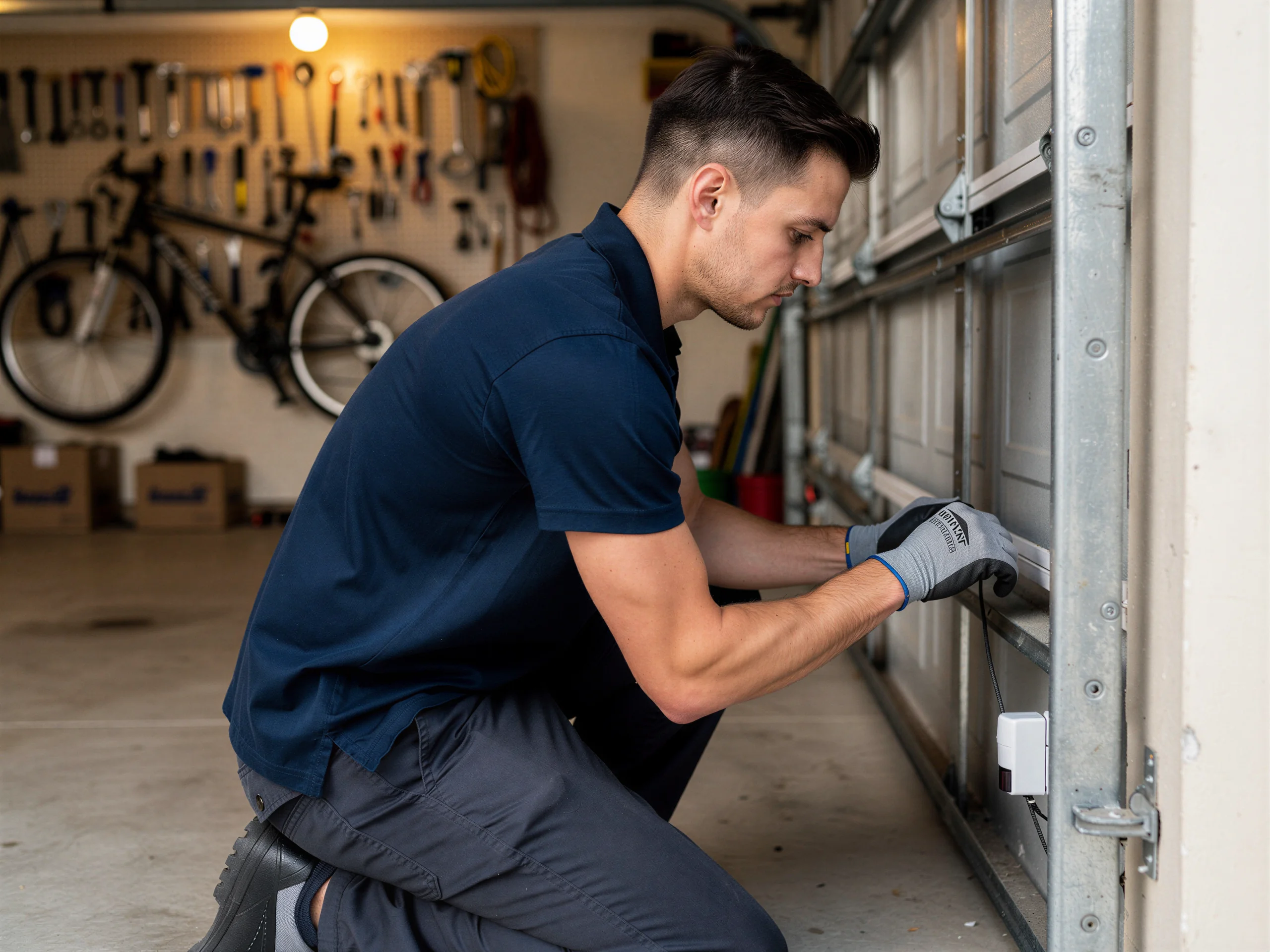
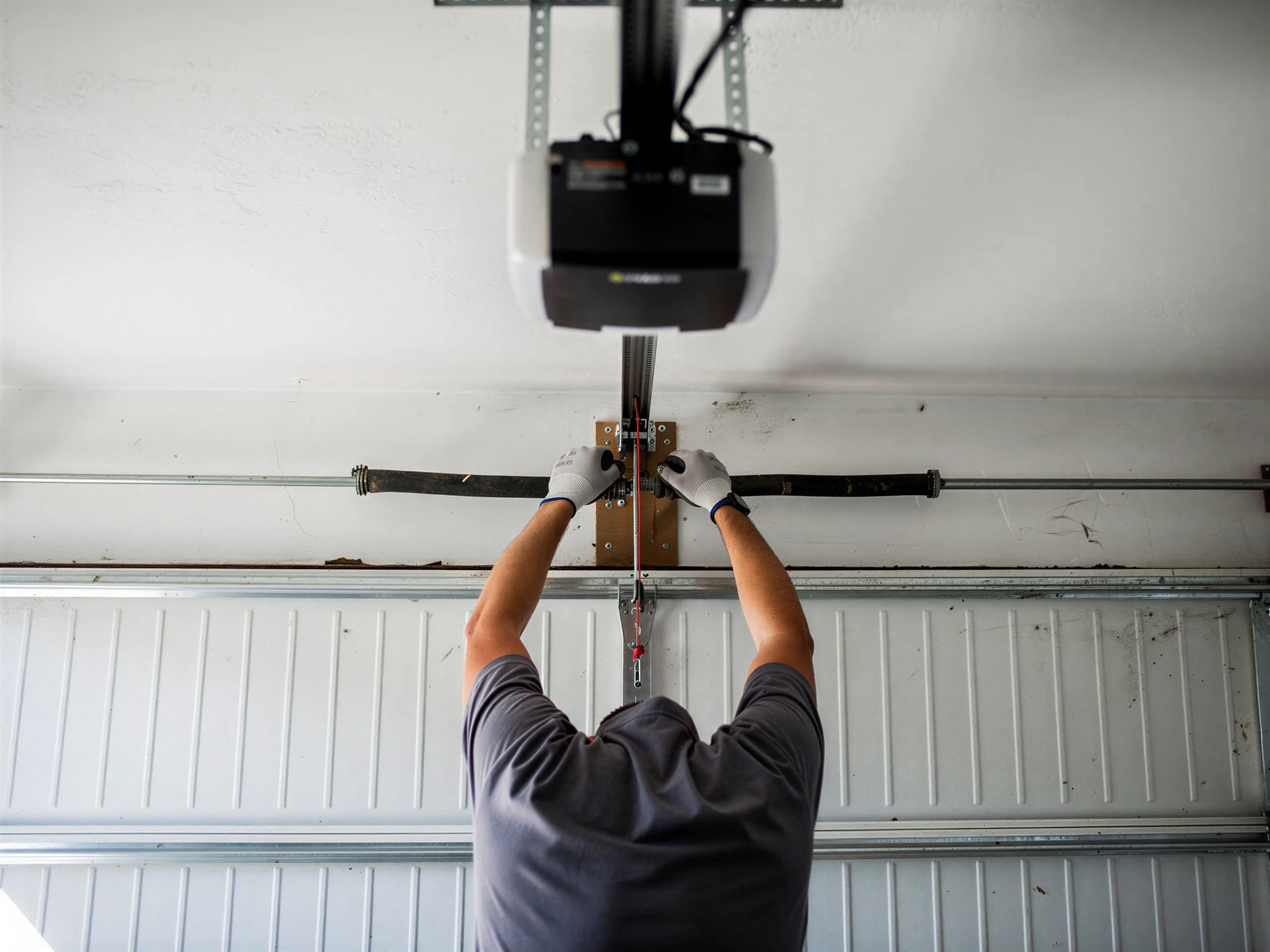
The repair itself is standard mechanical work: wind down and remove the dead spring, check the drums and cable for wear consistent with age, true up the track if rollers have been riding crooked, and reset tension to match the door's actual weight rather than a generic chart number.
Header and jamb play
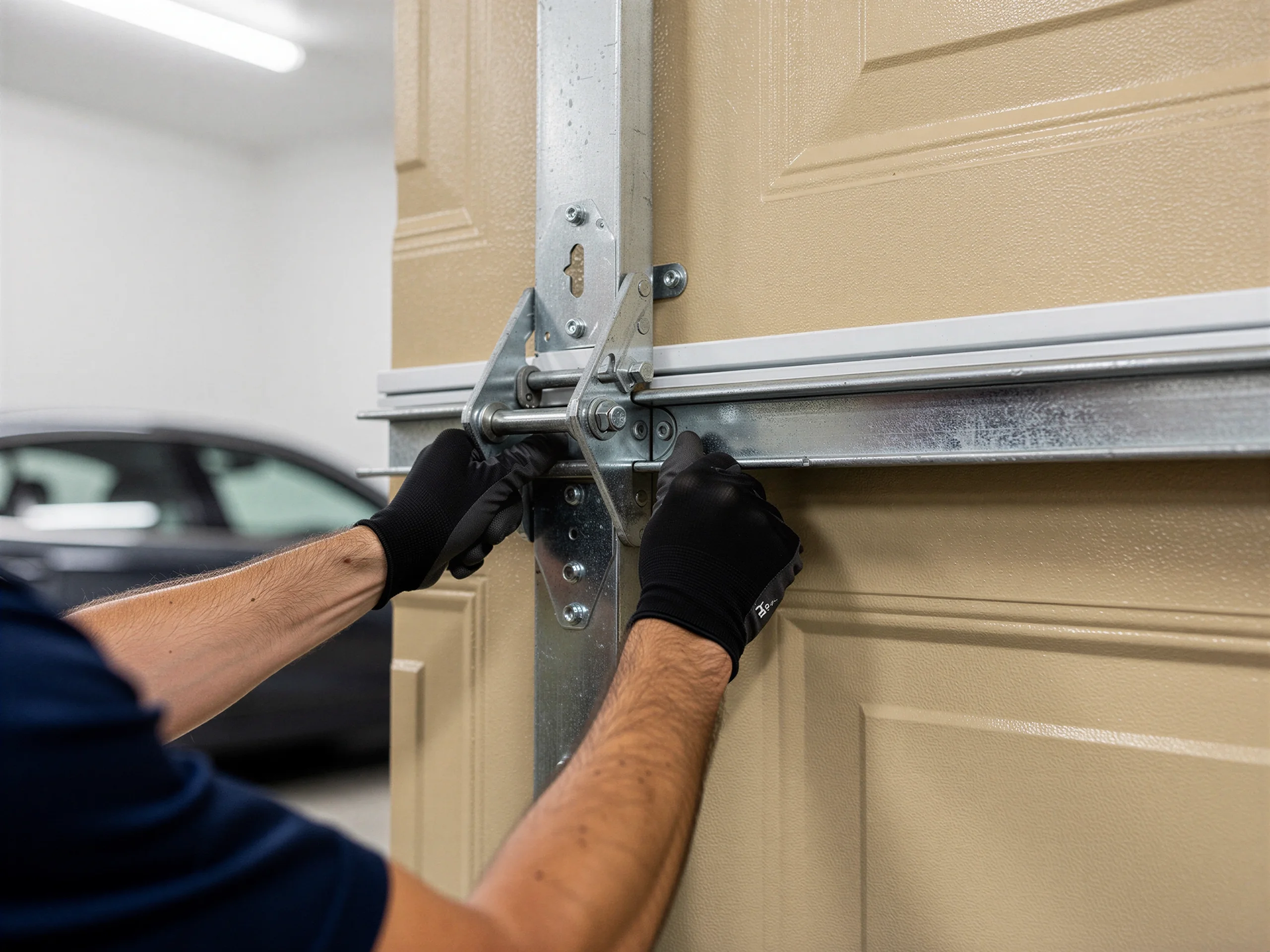
On these older setups we also check the header and jamb for play, since six decades of a house settling can open gaps that a newer door wouldn't have.
How Long It Takes
We run the job out of Lexington, about 11 miles from Spencer, so the drive itself isn't the long part of the day. The variable is almost always the hardware: a standard spring and drum swap on a door that matches common stock sizes is a same-visit fix once the tech is on-site. A door with a non-standard or discontinued part, which shows up more often on the pre-1980s houses that make up a chunk of Spencer's stock, can mean a second trip once the right part is in hand.
We'd rather tell you that upfront than promise a one-visit fix on something we haven't seen yet. If the tech opens the housing and finds a part that isn't on the truck, we'll say so on the spot rather than guess.
Stocked Parts
Because a good share of Spencer's houses predate 1983, the truck carries extra common sizes for older torsion springs and standard-gauge drums that fit 1950s-70s door openings, not just the newer stock that matches the area's 1983 median build year. Rollers, end bearings, and standard lift cable are stocked for both eras, since a lot of the older doors have had at least one roller or cable replacement already.
What we don't carry on the truck is anything custom-milled, like a non-standard track width or a discontinued header bracket specific to an old factory-built door. On jobs like that, the honest answer is a second trip once we've ordered the part, rather than forcing a fix that won't hold.
Talk to a local pro
Garage door service in Lexington?
Same-day service with honest, upfront quotes.