Why It Happens Here
Spencer is a small town, about 1,351 households, which is a sliver of the roughly 19,193 households spread across the whole area we cover out of Lexington. That size matters: we're not running a dozen crews through Spencer every week, we're coming out for the jobs that actually need us, and most of those jobs trace back to one thing - the age of the houses.
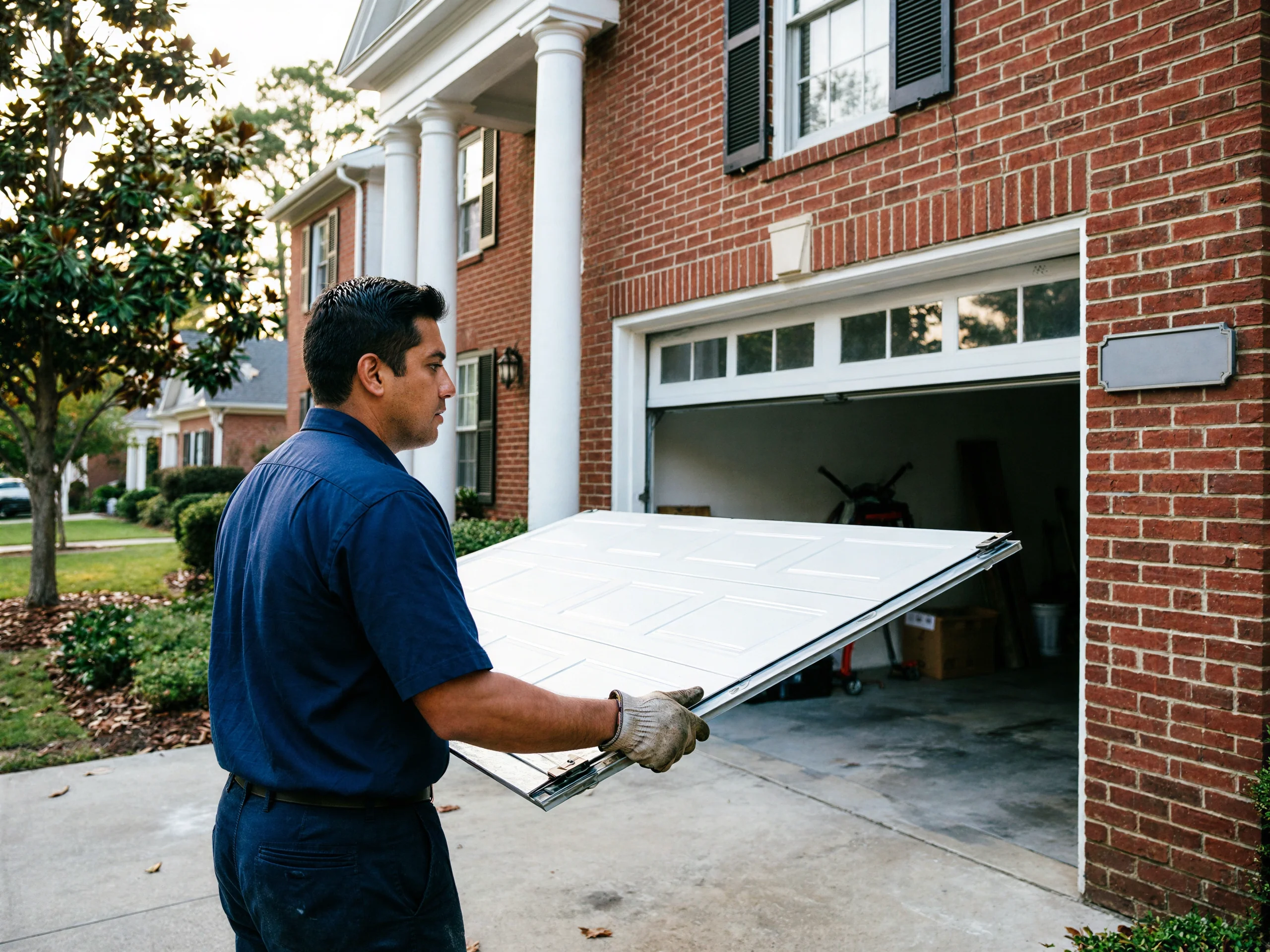
The median year built here is 1955, a full generation older than the 1983 median for the rest of the service area. That gap shows up the moment you look at a garage opening. A lot of these houses were built with single-layer doors, narrow track widths, and hardware sized for a lighter door than anything sold today. When one of those doors finally gives out, you're not swapping a panel - you're often replacing the whole opening's hardware to get a modern door to fit and run right. We see this pattern across the older pockets of the broader service area too, but it's concentrated here in a way it isn't in the newer subdivisions further out.
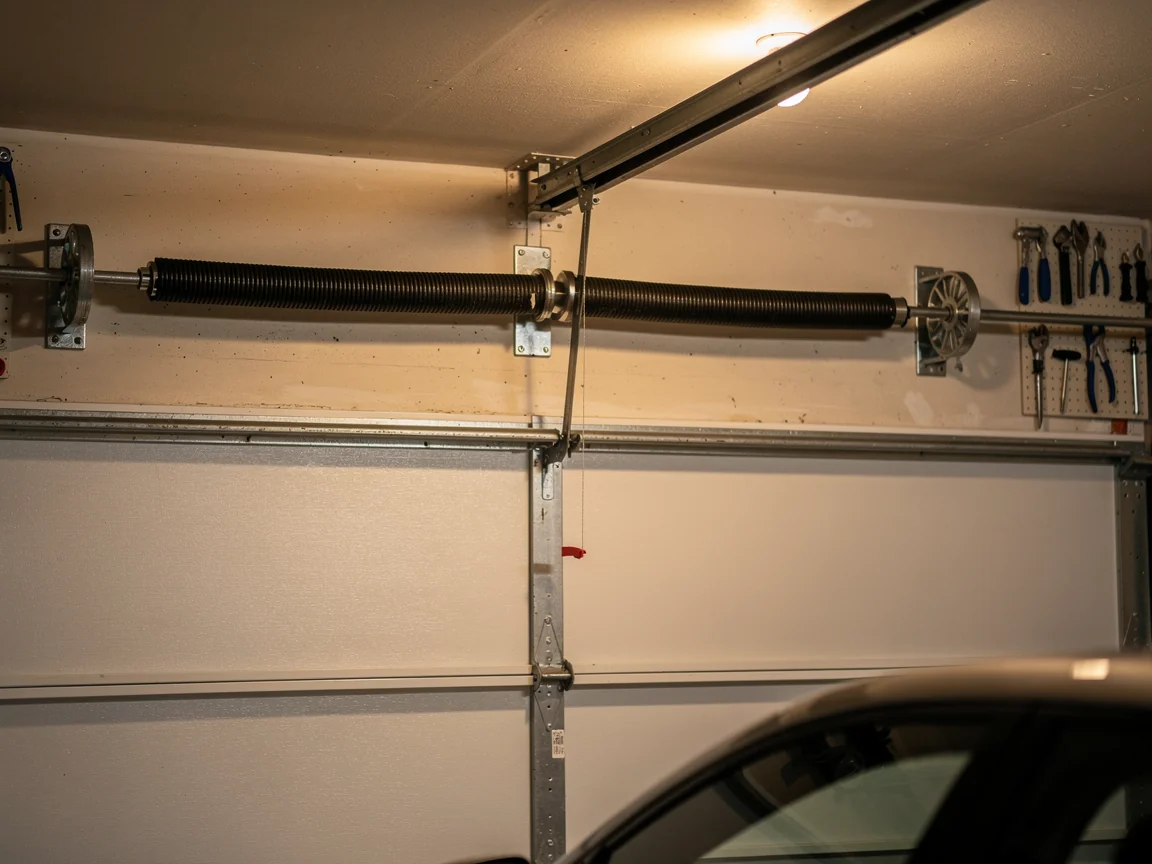
The Symptom
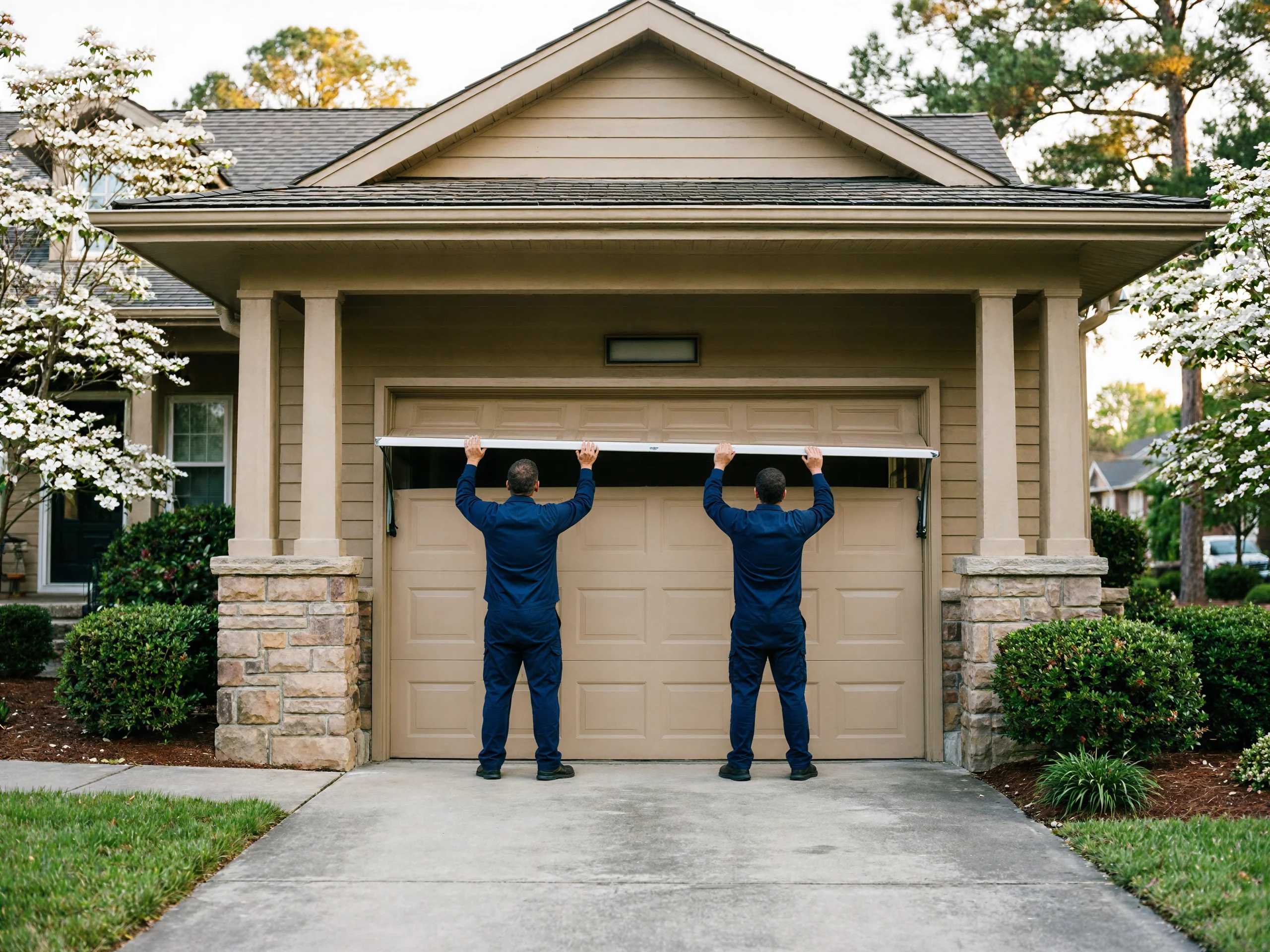
The giveaway on a 1955-era door is usually binding, not breaking. The door drags on one side, the opener strains and reverses partway up, or the bottom panel has started to bow where the original wood has taken on moisture over the decades.
Bottom corner rust
On steel doors from a later remodel, you'll see rust blooming at the bottom corners first. The service area sits in a cold-moderate climate band, which means steel hardware goes through real freeze-thaw cycling every winter.
Ungalvanized tracks decades
On a door that's original to a 1955 build, that's close to seventy years of expansion and contraction on tracks and brackets that were never galvanized to today's standard.
Seized rollers and hinges
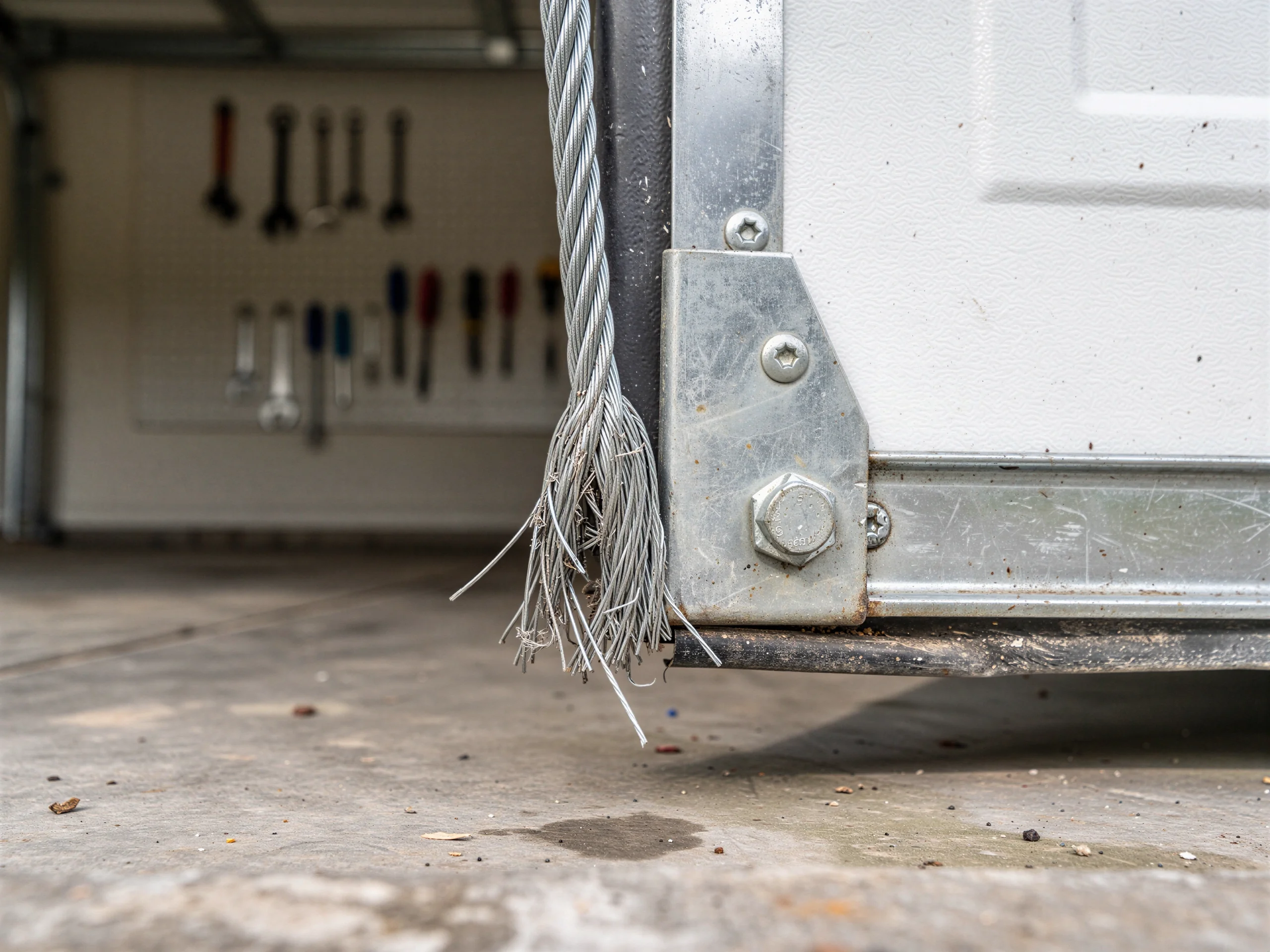
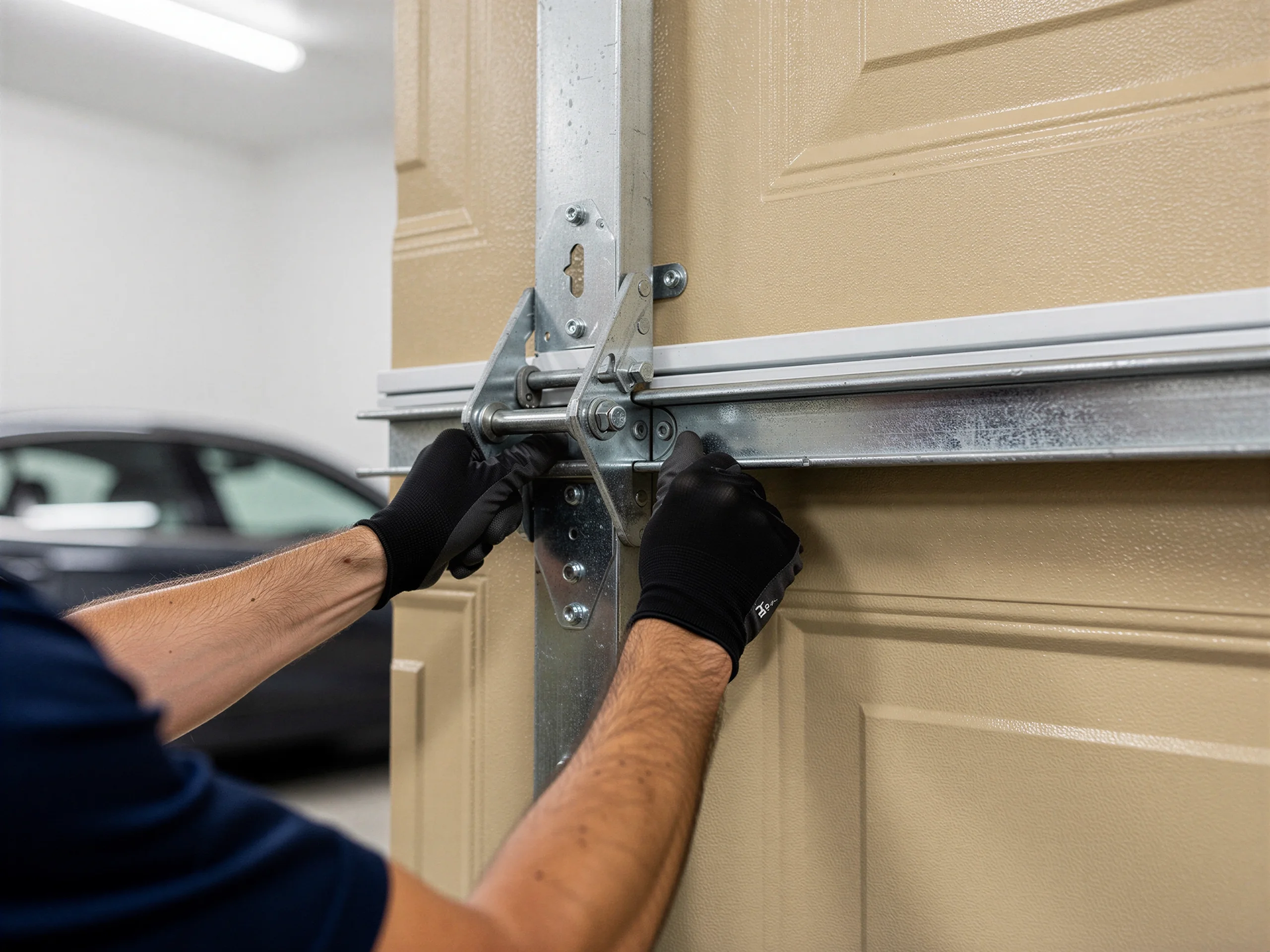
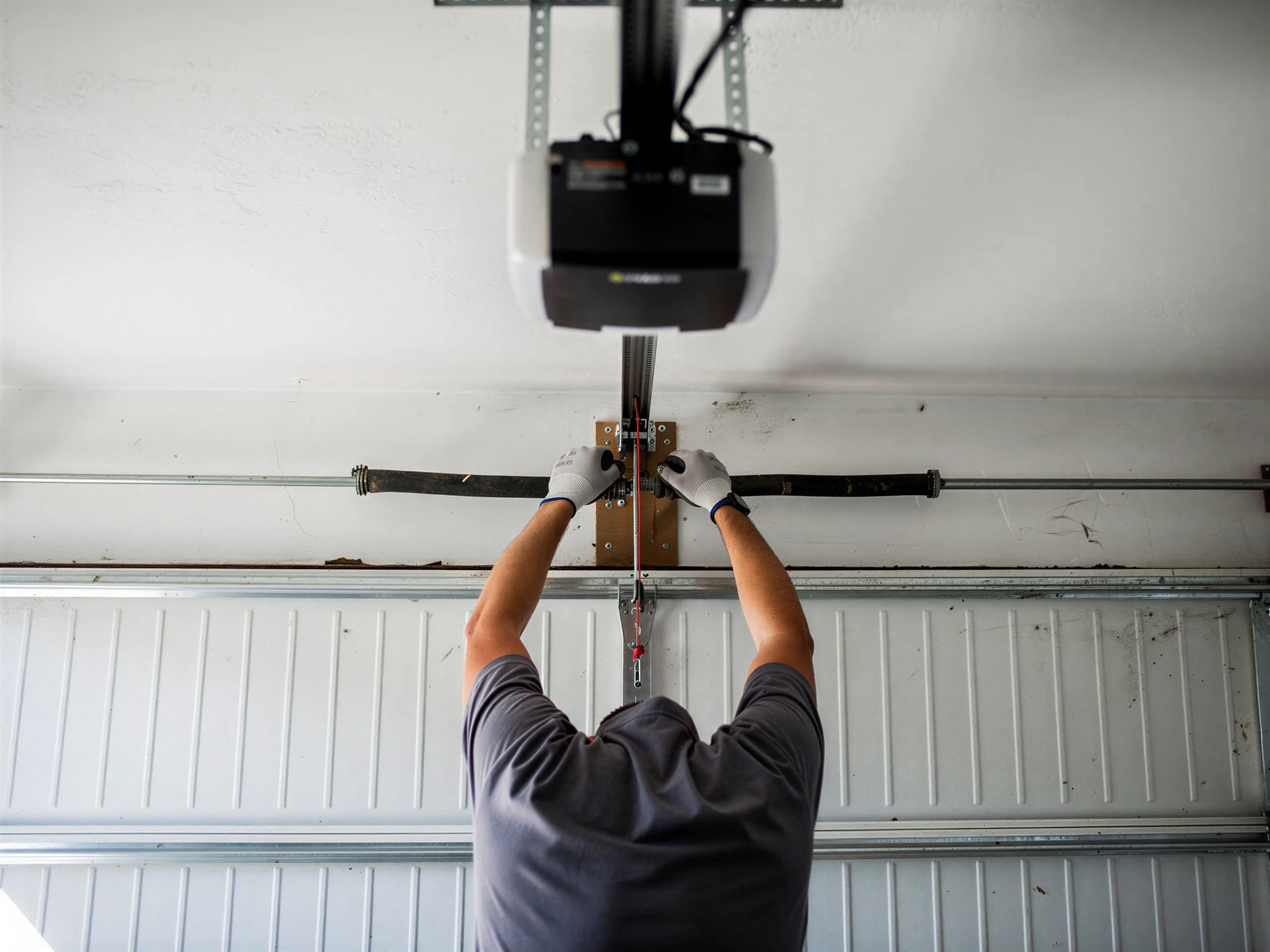
Rollers seize, hinges crack, and the track pulls slightly out of plumb - small movements that add up until the door won't travel smoothly anymore.
Talk to a local pro
Garage door service in Lexington?
Same-day service with honest, upfront quotes.