How Long It Takes
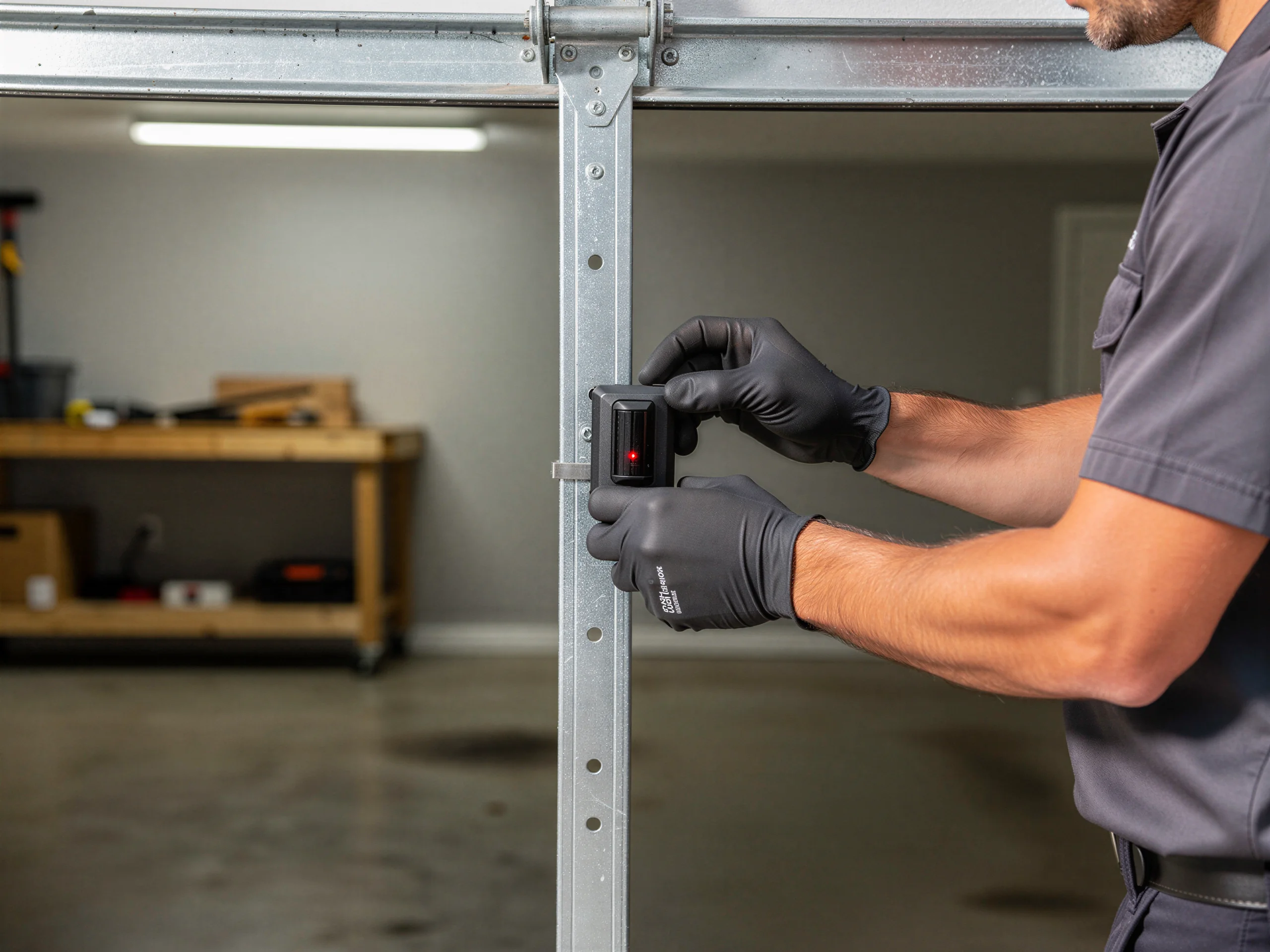
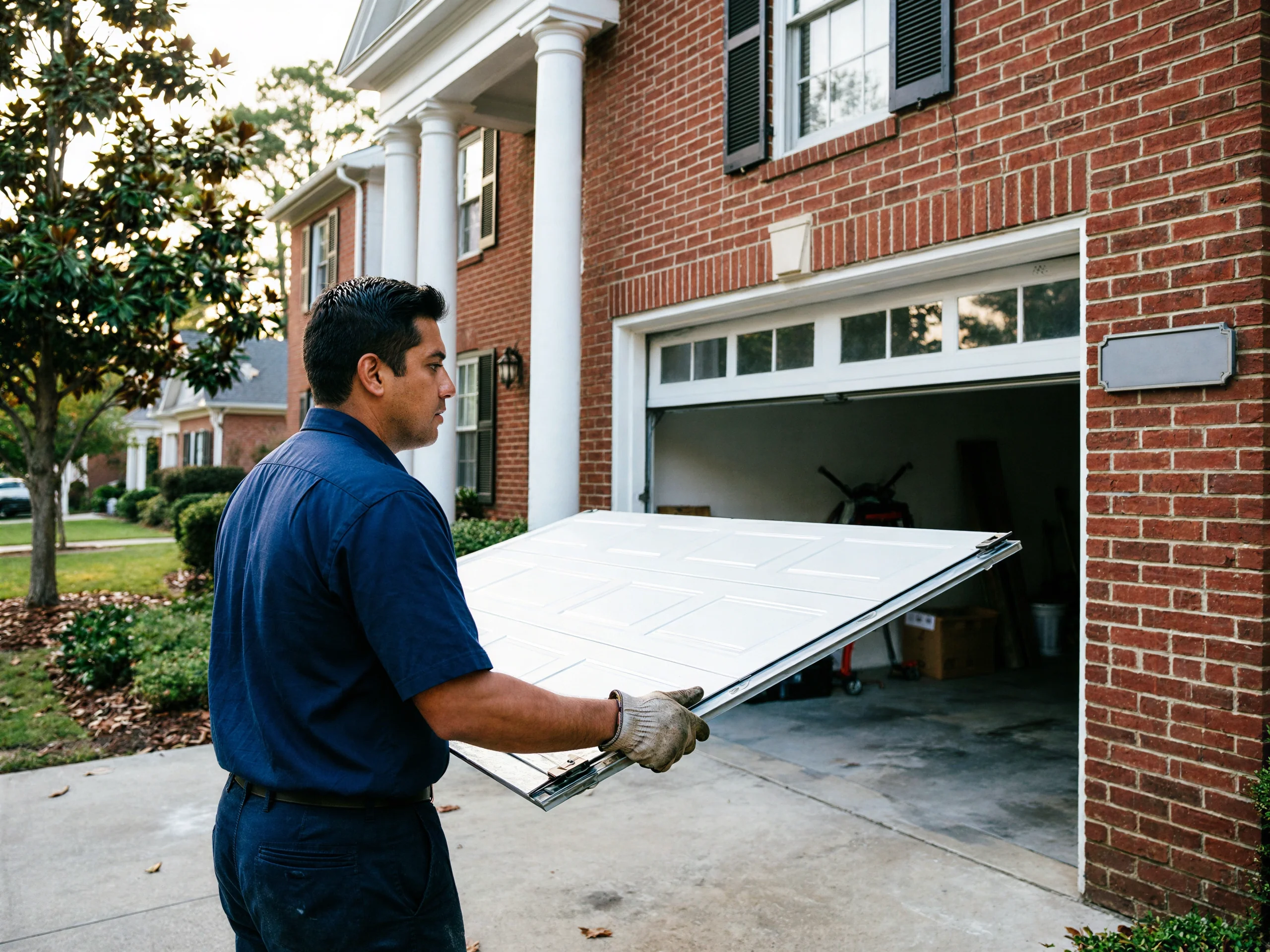
Trinity sits about 16 miles from our shop in Lexington, so the drive is part of every job we schedule out here, not an afterthought. We don't keep a crew stationed in Trinity, and we're not going to pretend otherwise with a promise about minutes on site. What we can tell you is that the trip shapes how we route the day: Trinity calls usually get grouped with other service-area stops in the same direction so the truck isn't making the run twice. If your spring lets go on a Tuesday afternoon, ask when we're slotting trucks that way rather than assuming a fixed window - we'll give you a straight answer based on the route, not a generic one.</br>The honest limitation here is the obvious one: a same-day fix depends on whether a truck is already headed your way and whether the part your door needs is standard stock. Most are. Some older hardware isn't, and that changes the timeline, which is the next thing worth knowing before you call.
Why It Happens Here
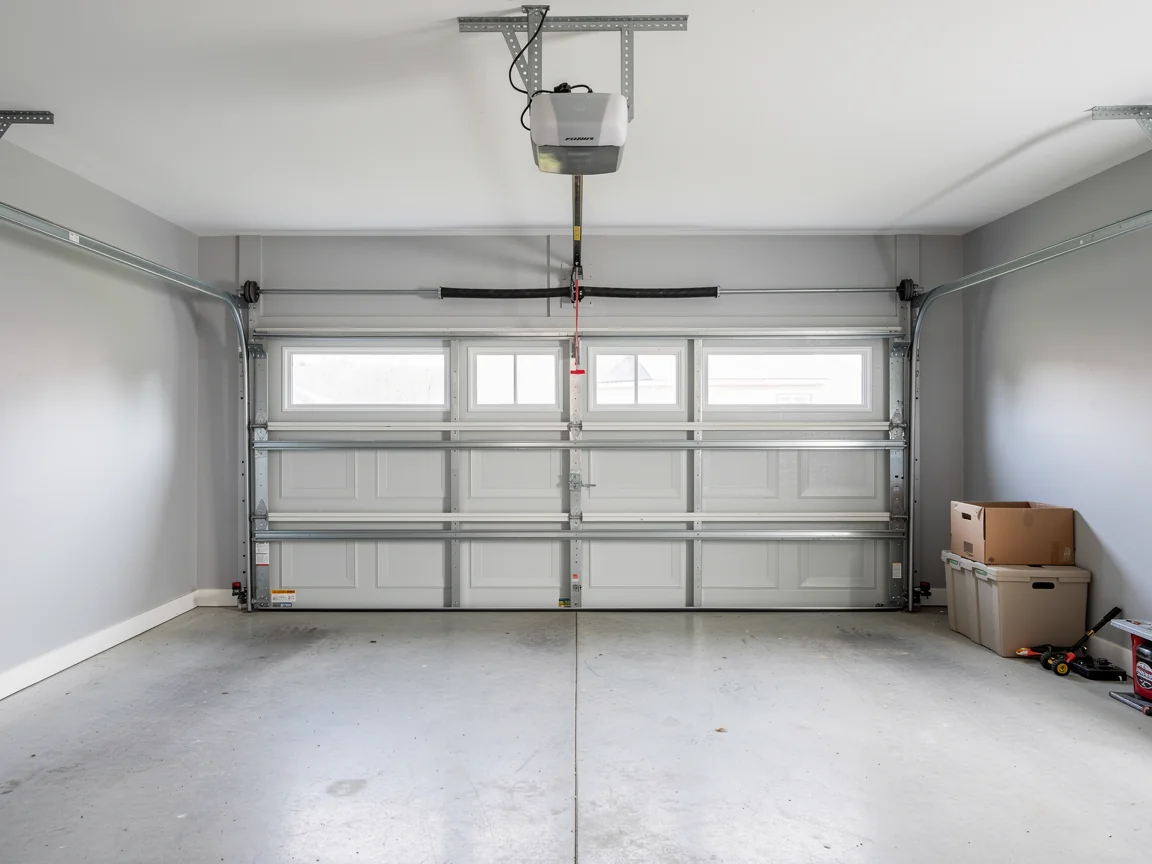
Trinity's housing stock centers on a median build year of 1977, which puts it about six years ahead of the 1983 median for the wider service area we cover out of Lexington. That gap matters more than it sounds like. Doors and openers installed through the late 1970s and into the early 80s came standard with different spring setups and lighter-gauge track than what went into homes built a decade later, and a lot of that original hardware is still bolted to the header in Trinity garages that haven't been touched since.</br>With roughly 2,628 households in Trinity, you're not dealing with a sprawling, newer subdivision pattern - this is a smaller, older pocket relative to the rest of the territory, and the doors show it. Springs sized for the lighter doors common in that era wear out the cables and bottom brackets faster once a heavier insulated replacement door goes on the same old torsion bar, which is a mismatch we run into more here than in the newer streets closer to town.
The Symptom
The service area sits in a cold-moderate climate band, and that matters for anything made of wound steel.
Spring fatigue from temperature
A torsion spring that's been doing its job since the house was built in the late 1970s has had roughly four and a half decades of temperature swings working the metal, and springs from that era weren't always sized the way we'd size one today.
Lurching and reversing signs
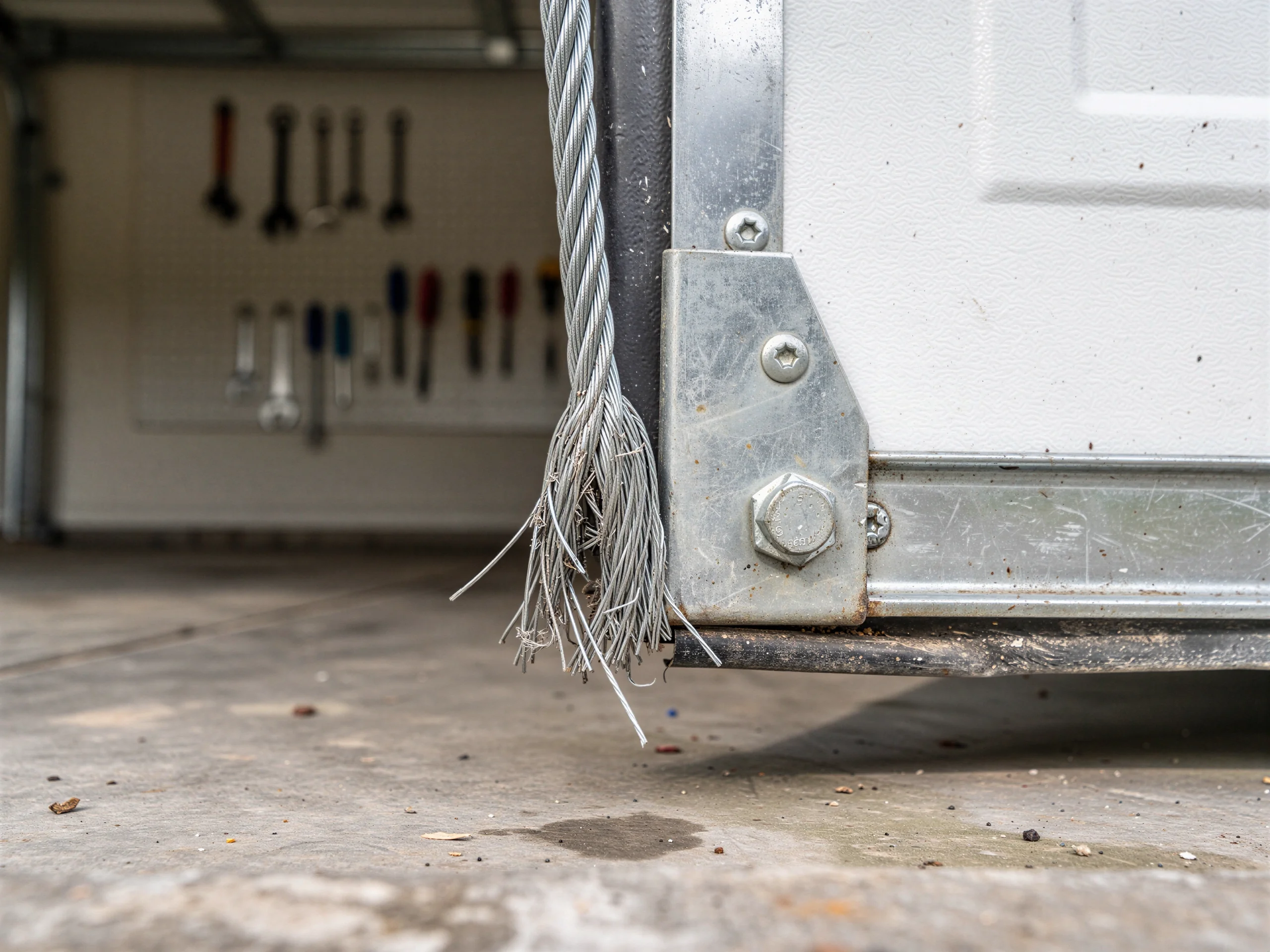
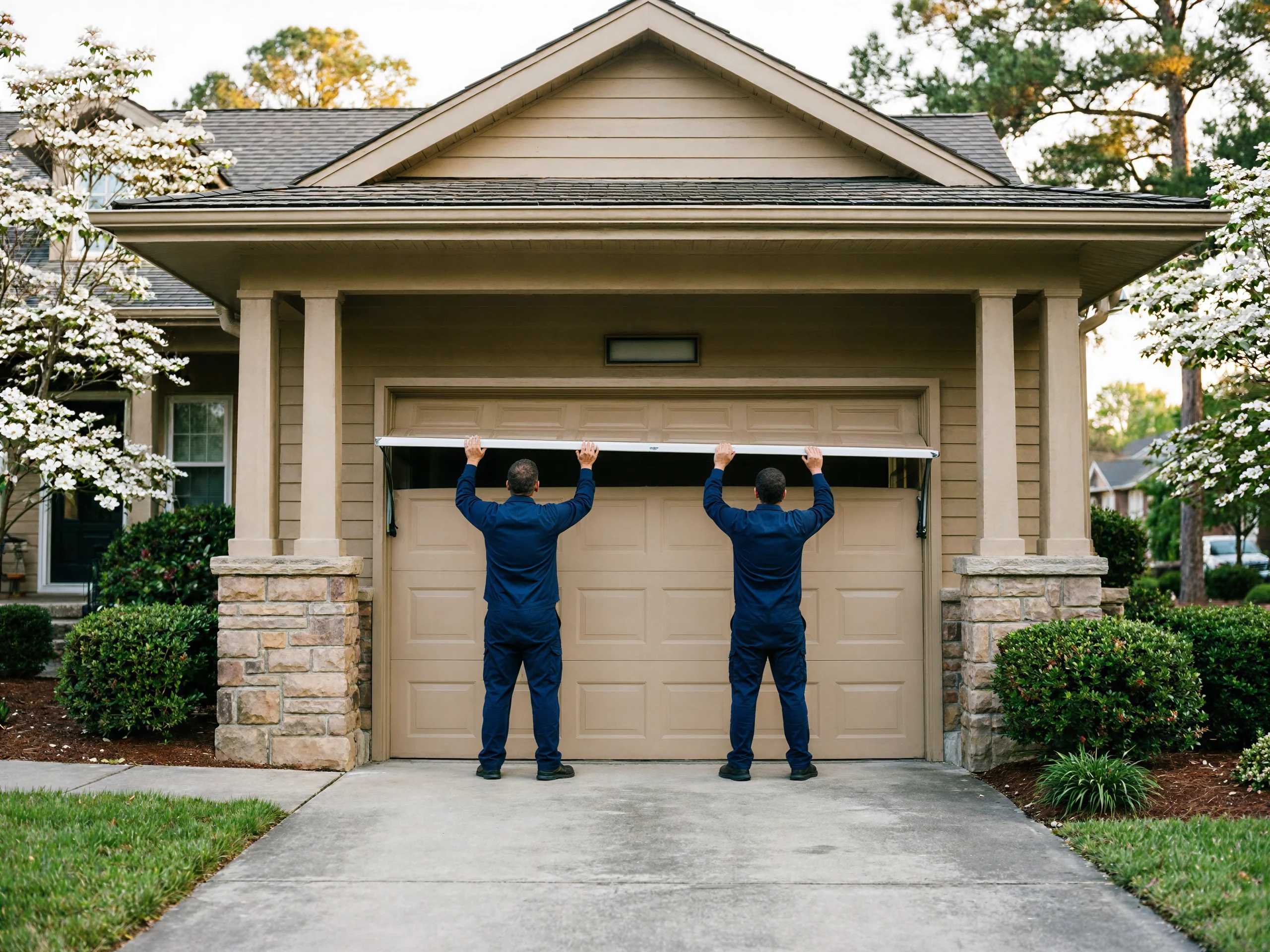
The usual tell is a door that lurches on the way up, or an opener that strains and reverses partway instead of opening clean - that's the spring losing its wind, not the opener failing.</br>On older Trinity garages we also see loose or stretched extension springs on doors that predate common torsion conversions, especially on single-car openings. If your door bangs down the last foot instead of settling, or the cables look frayed at the bottom bracket, that's wear consistent with hardware this age, not something that happens overnight.
What You Pay
We don't have a Trinity-specific price list, and we're not going to invent one here. What we can say is that Trinity's median household income runs $80,349, well above the $64,562 figure for the service area as a whole, and that gap does show up in the kind of repair decision homeowners make. In lower-income pockets of the territory, patch-and-wait is more common; in Trinity we see more owners opt for full spring or cable replacement over a one-off fix when the hardware's original to a 1977-era build, since the rest of the assembly is the same age and due anyway.</br>That's a pattern, not a quote, and your number depends on what's actually broken and what parts the job needs. Ask for the breakdown on the service call itself.
The DIY Question
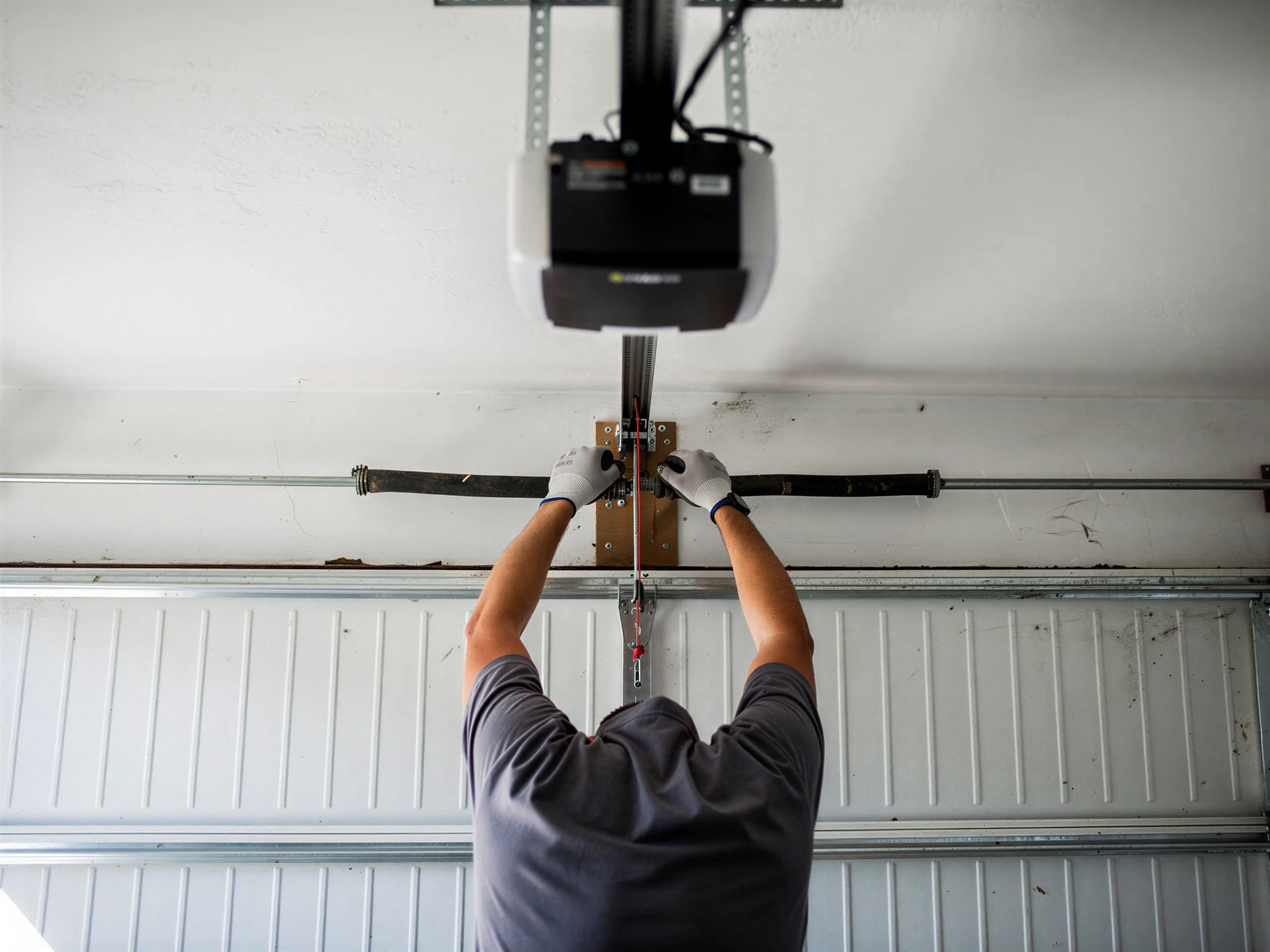
Torsion springs are wound under real tension, and a door built when Trinity's housing stock went up often carries a single spring doing the work that a two-spring system splits today.
Reasonable homeowner tasks
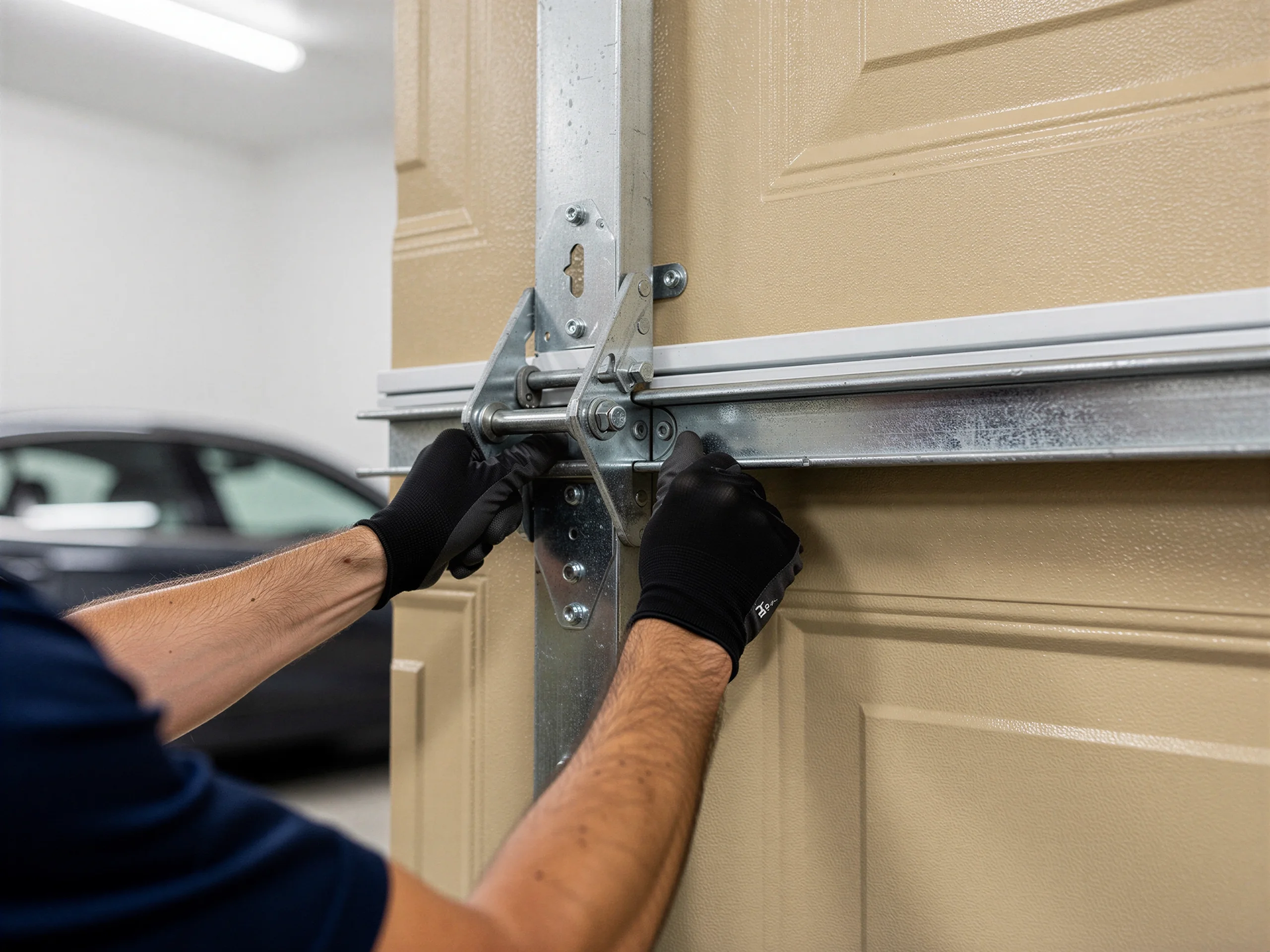
That's not a project for a Saturday with a borrowed winding bar. Replacing rollers, tightening hinges, or lubricating track on a door this age is reasonable DIY work and worth doing yourself if you're comfortable with it.</br>Where we draw the line is anything touching the spring, the cables, or the bottom brackets - the parts that can put you in the ER if they let go while you're standing under them.
Describe before you start
If you're not sure which category your repair falls into, describe what you're looking at before you start pulling parts, and we'll tell you straight whether it's a homeowner job or not.
What the Repair Takes
A straightforward spring swap on a door this age is usually a parts-and-labor job we can handle in one visit, assuming the drum, cables, and track are still in reasonable shape underneath. Where it gets longer is when the original 1977-era hardware has track widths or drum sizes that don't match current stock sizes - not common, but it happens on homes that haven't had the door touched since it was hung. In that case we order the part rather than force a mismatch, and that adds a day or two, not minutes.</br>We don't carry every obsolete bracket size on the truck, and we won't jury-rig a fix that won't hold. If your door needs a part we don't stock, we'll say so on the spot and tell you what the wait looks like before we start anything.
Talk to a local pro
Garage door service in Lexington?
Same-day service with honest, upfront quotes.