How Long It Takes
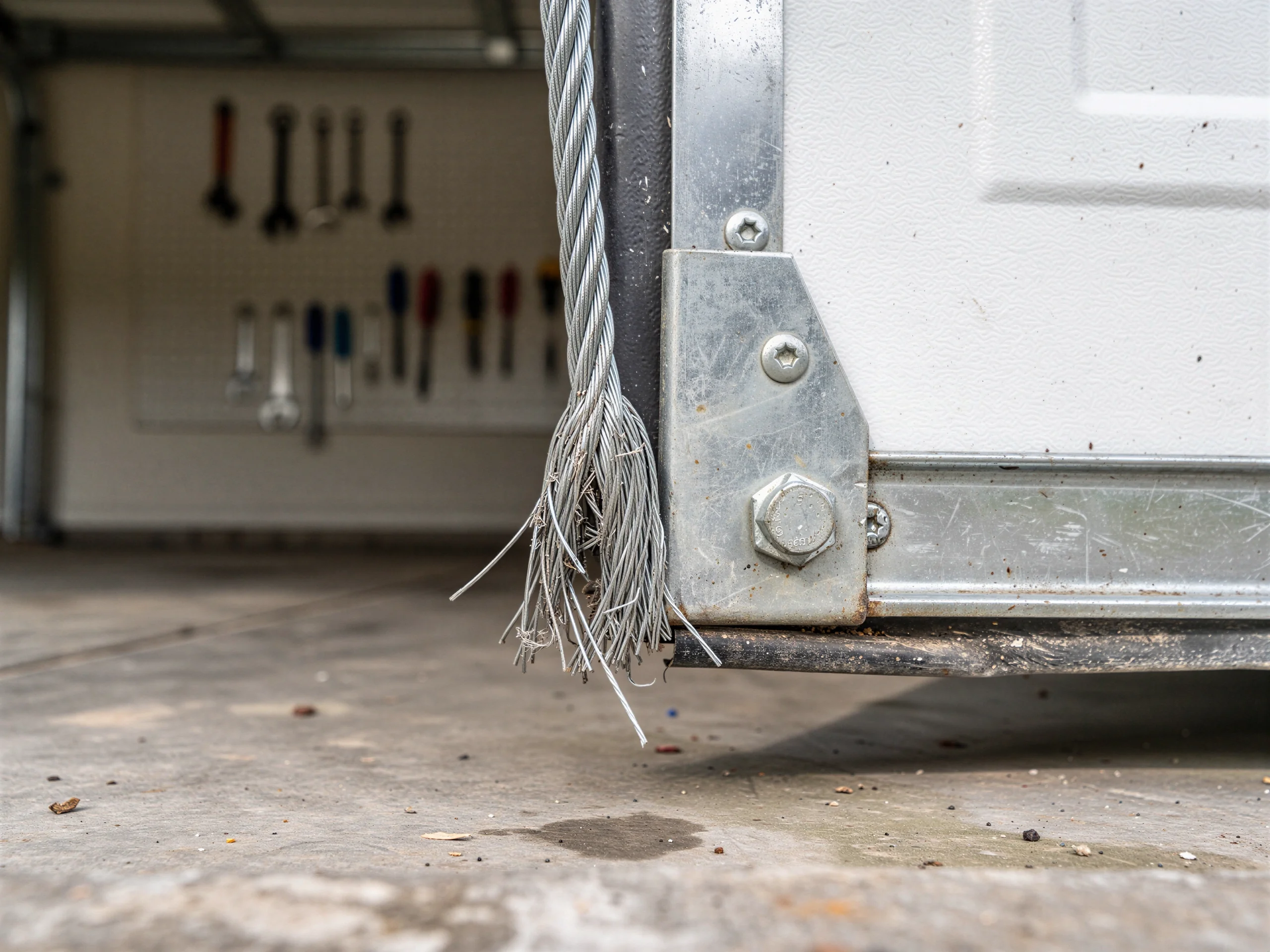
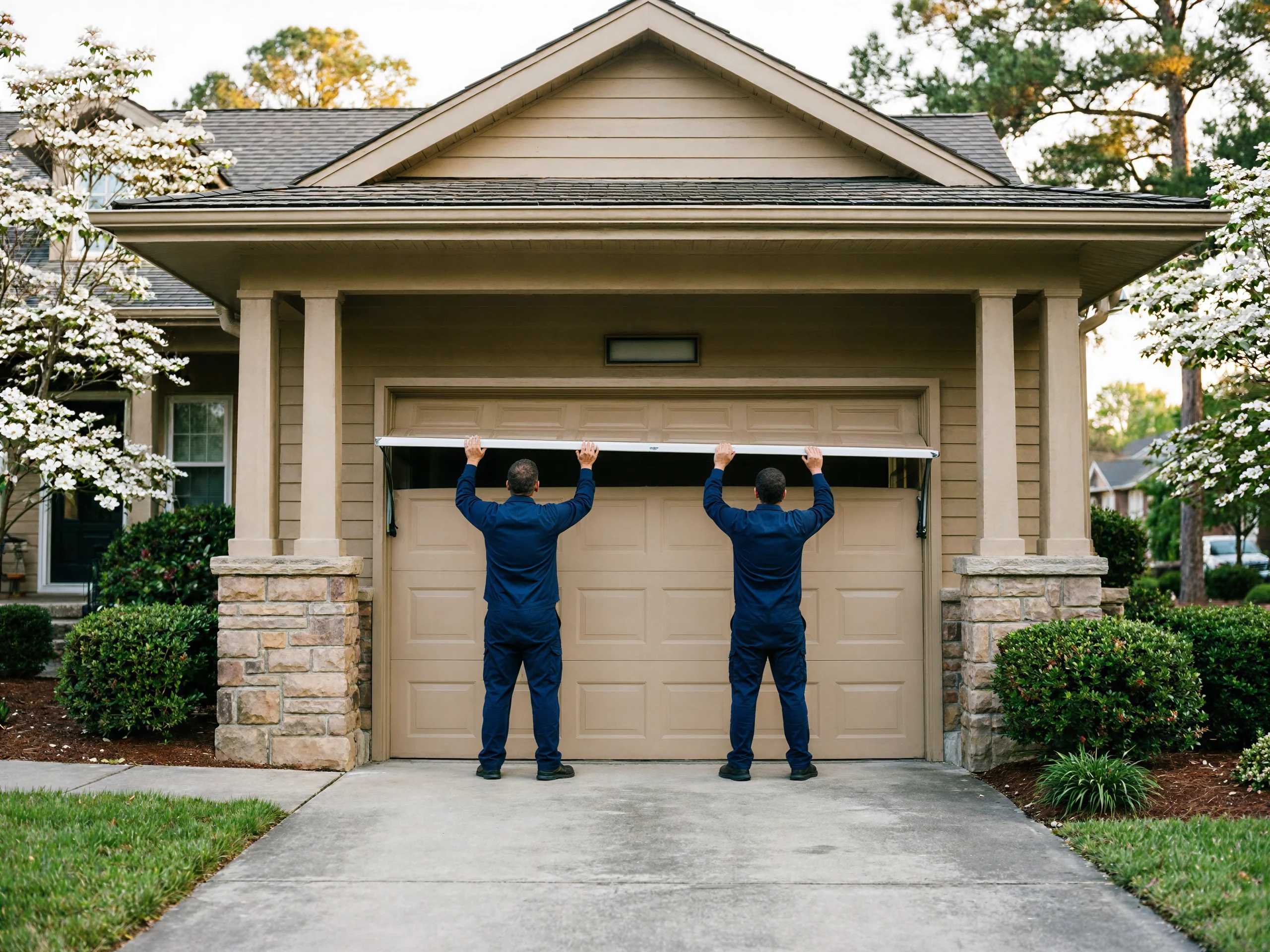
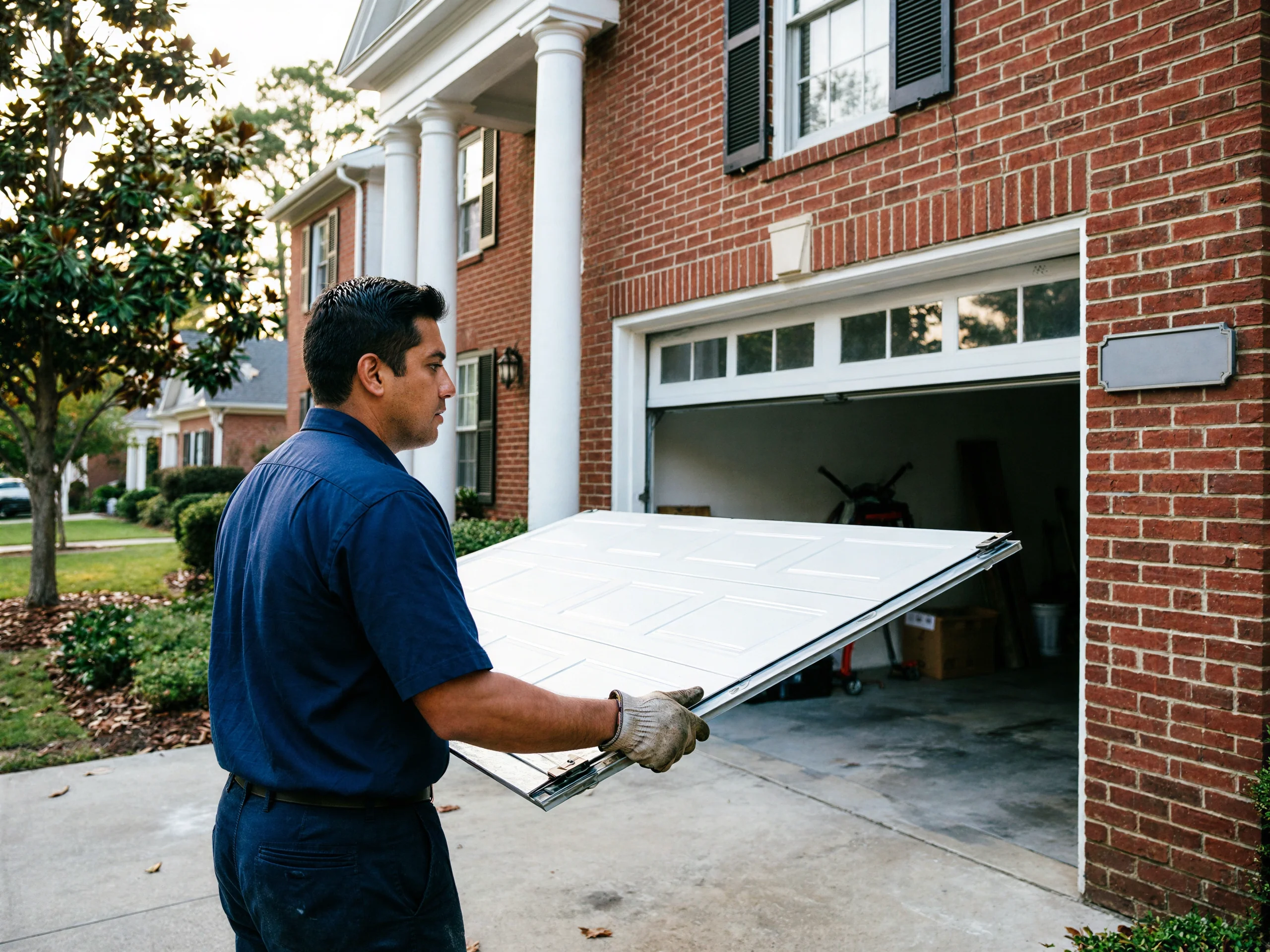
A Trinity opener call usually runs one of two ways. If it's a sensor out of alignment, a worn drive gear, or a logic board that's quit, we're done in under an hour once the truck is on site. If the opener itself is original to a house built when Trinity's median home went up - 1977 - and the motor's finally seized for good, the visit is still short, but we're now talking about a full unit swap rather than a part. We travel the 16 miles out from Lexington for these calls, so we don't stock every bracket and rail kit on the truck for every mounting style; if your opener uses a mount nobody's made in twenty years, we may need a second trip for the right hardware. That's the one honest limit here - we'd rather tell you that up front than pretend we carry a part we don't.
Why It Happens Here
Trinity's housing stock sits earlier than much of the wider service area, where the median build year runs closer to 1983. A 1977 build means a lot of these garages went up before chain-drive openers even had the photo-eye safety sensors that became mandatory industry-wide in 1993. If a homeowner tells us the opener has 'always been there,' it's worth asking whether that opener predates the sensor requirement entirely - in which case it isn't a repair candidate, it's a liability sitting over a car. More commonly, the original unit was swapped once already sometime in the 90s or 2000s, and what's failing now is that second-generation opener's gearing or board, not the house's original hardware.
The Symptom
The most common complaint we hear from this stretch is the opener running but the door not moving, or moving partway and reversing.
Stripped nylon gear
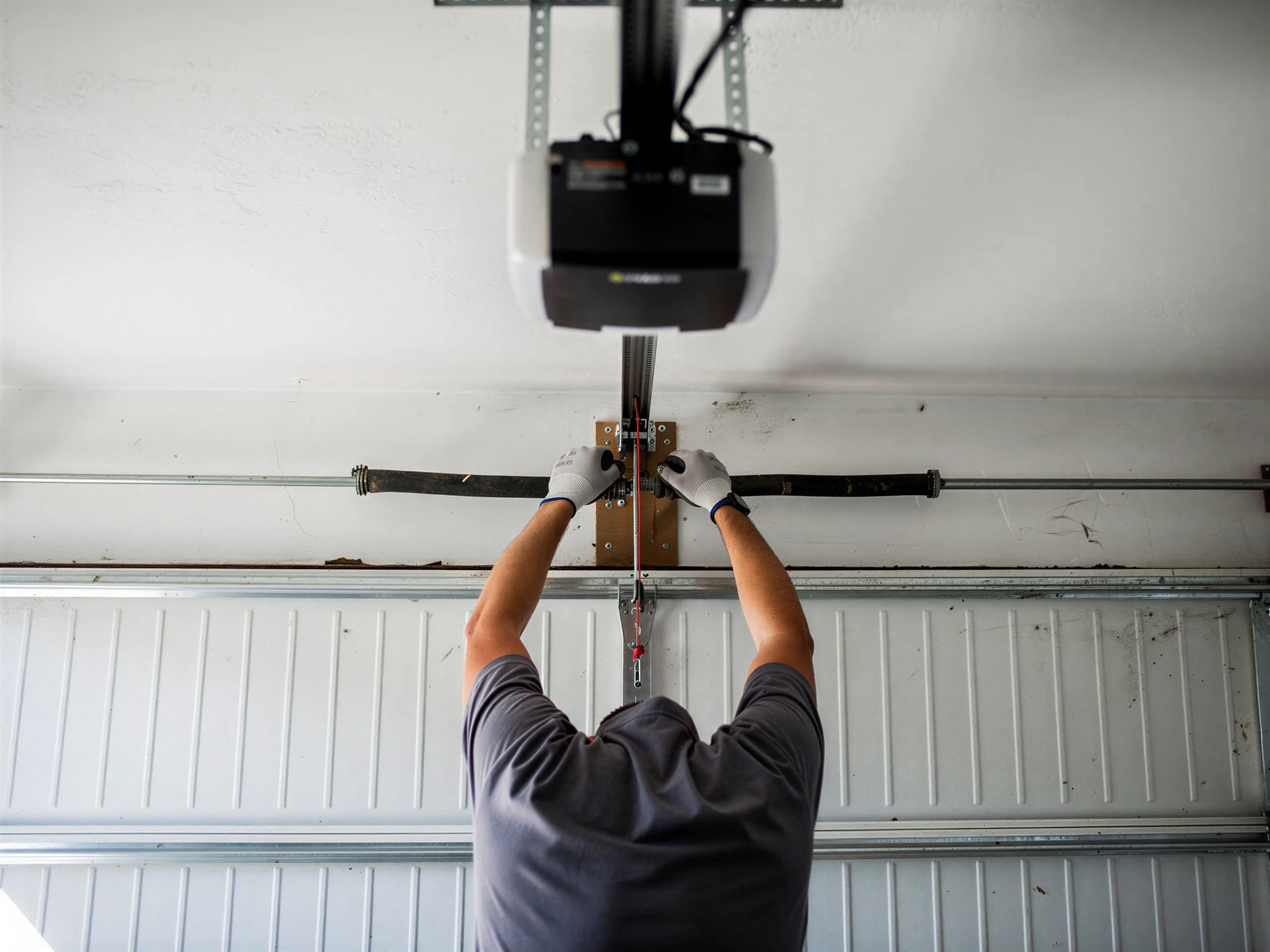
On a chain-drive unit old enough to match a 1977-built garage, that's almost always a stripped nylon gear inside the motor housing - a $20 part that takes the unit's whole lifespan down with it once it goes, because the housings aren't built to be reopened twice.
Photo-eye misalignment
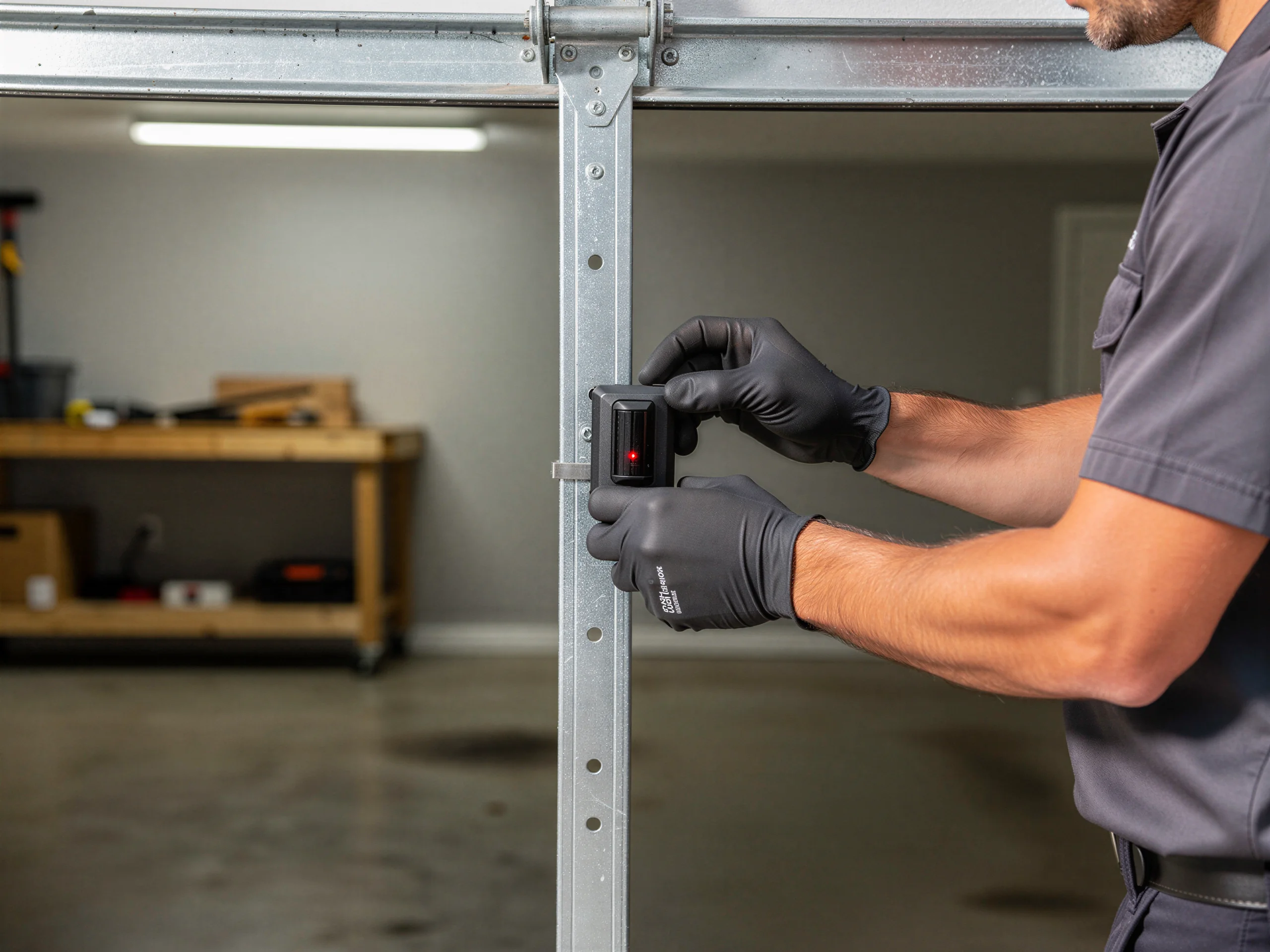
The second most common complaint is a door that won't close at all, which in a cold winter stretch is often the photo-eye sensors shifted out of alignment by a bumped broom handle or a car mirror, not a dead board. Cold snaps also thicken old grease inside aging gear housings, which shows up as a door that labors on the way up and slams on the way down.
What You Pay
We don't post a flat number for Trinity because the job splits cleanly into two price classes: a sensor realignment or a gear kit swap is a small parts-and-labor call, while a full opener replacement is a unit-plus-install job. Trinity's median household income runs noticeably higher than much of the surrounding service area - $80,349 against a service-area median of $64,562 - which doesn't change what we charge, but it does mean we see more homeowners here choose a mid-tier or belt-drive replacement over the cheapest chain-drive unit when the old one's beyond saving. We'll always quote the repair first and let you decide whether it's worth it against a replacement.
The DIY Question
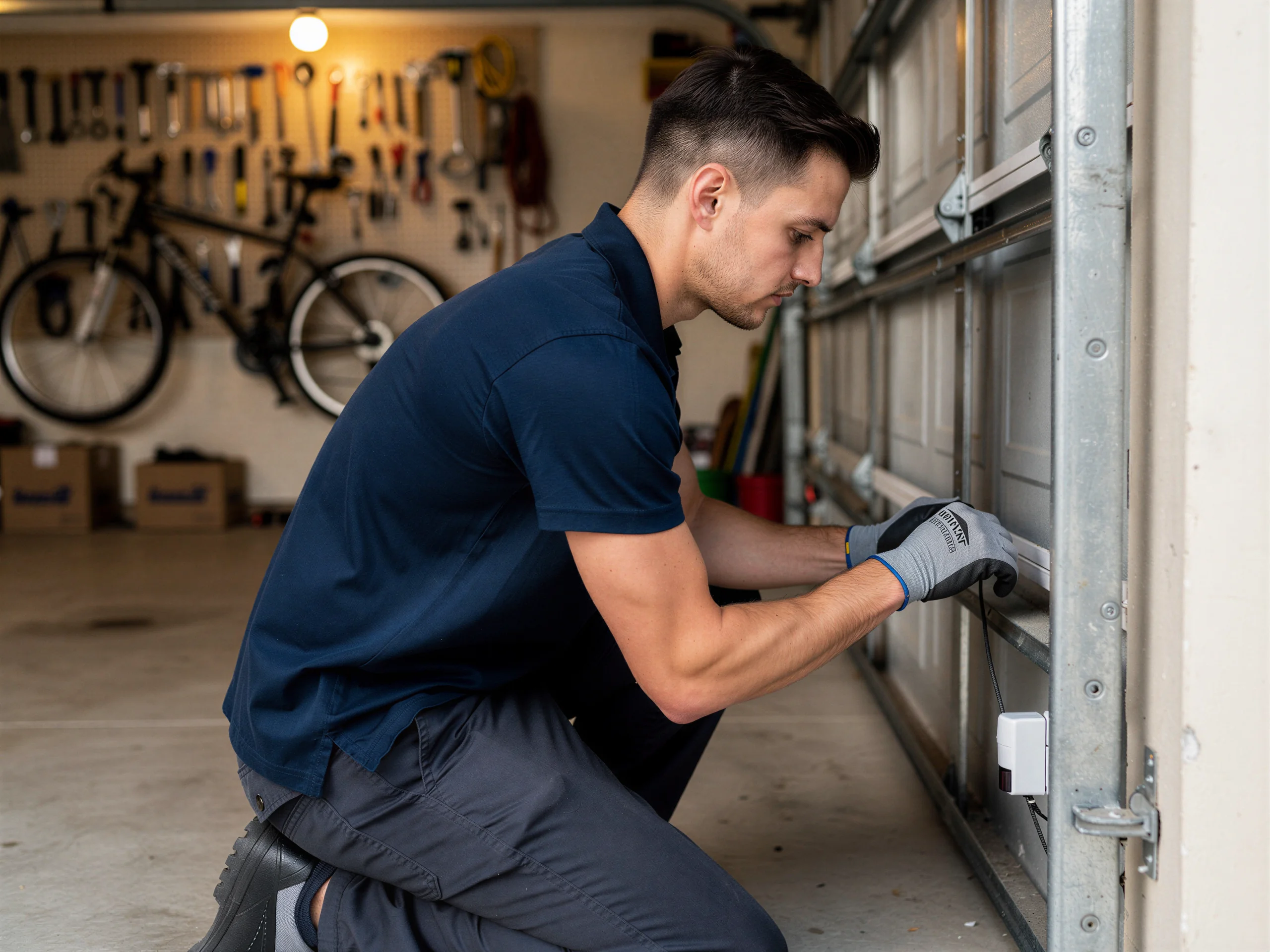
Realigning photo-eye sensors is genuinely a homeowner job - loosen the wing nut, slide the bracket until the light goes solid, tighten it back down.
Motor housing hard to open
Replacing a logic board or a stripped internal gear is not, mostly because getting the motor housing open without stripping the housing screws or losing a spring-loaded part is harder than it looks, and a 1977-era garage may have an opener mount that doesn't match anything sold today.
Multimeter checks first
If you're comfortable with a multimeter and a ladder, check the sensors and the wall button wiring before you call anyone. Past that, especially on an older chain-drive unit, you're more likely to turn a $150 repair into a $400 one by forcing a housing that wasn't designed to come apart twice.
What the Repair Takes
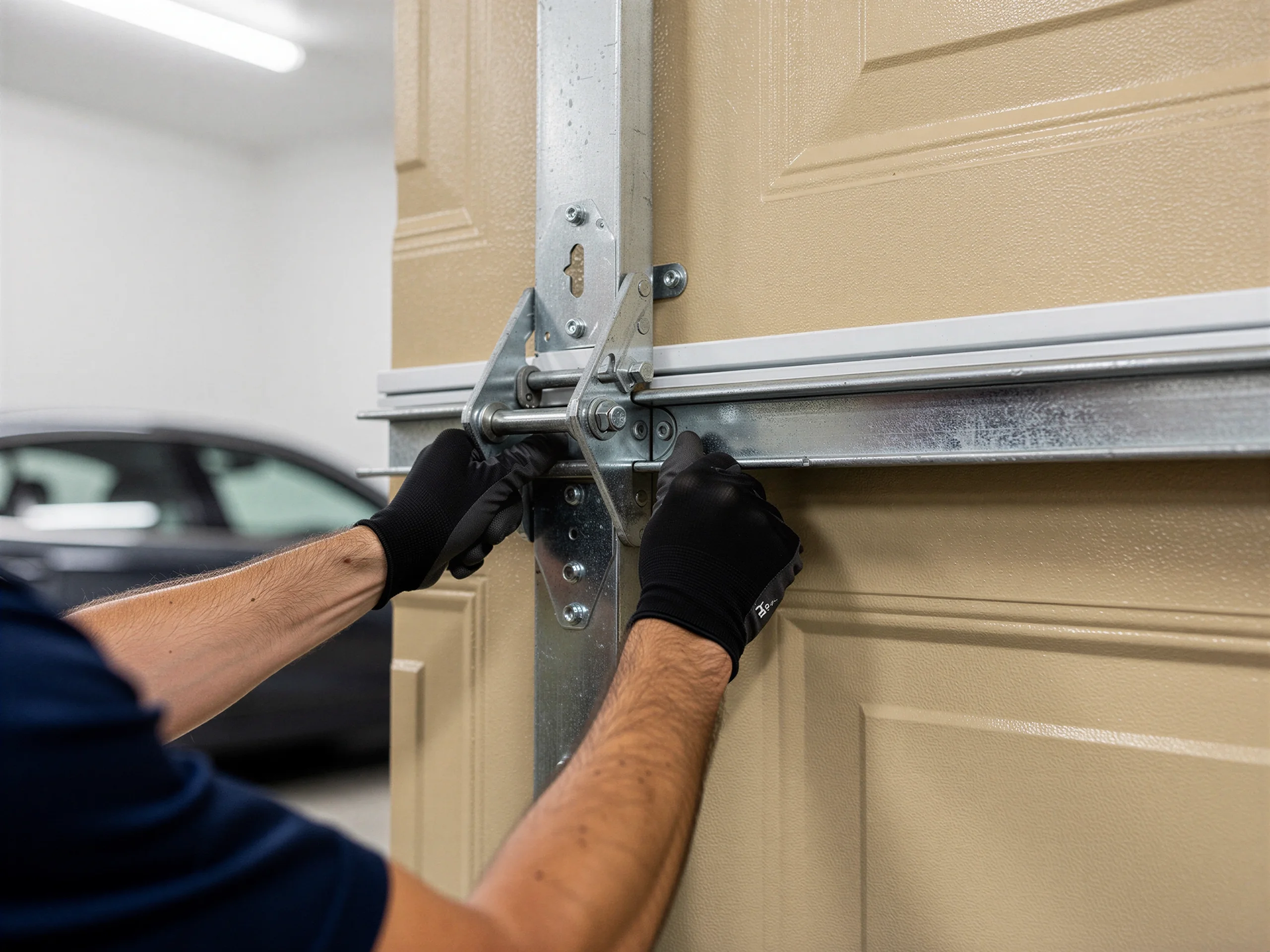
Most of our Trinity opener jobs need three things on the truck: a replacement logic board or full unit (depending on age), a sensor pair, and whatever mounting hardware matches the garage's original ceiling bracket style - which on a 1977-built structure is sometimes a different bolt pattern than what ships with a new opener today. Across the roughly 19,200 households this service area covers, a good chunk of the opener calls we take are on houses from this same build era, so we're used to the adapter brackets this work requires. What we can't shortcut is drying time on any wiring repair done near exposed framing in a cold stretch - Trinity sits in a cold-moderate climate band, and we won't close up a job with wet sealant in January weather just to save a return visit.
Talk to a local pro
Garage door service in Lexington?
Same-day service with honest, upfront quotes.