
How Long It Takes
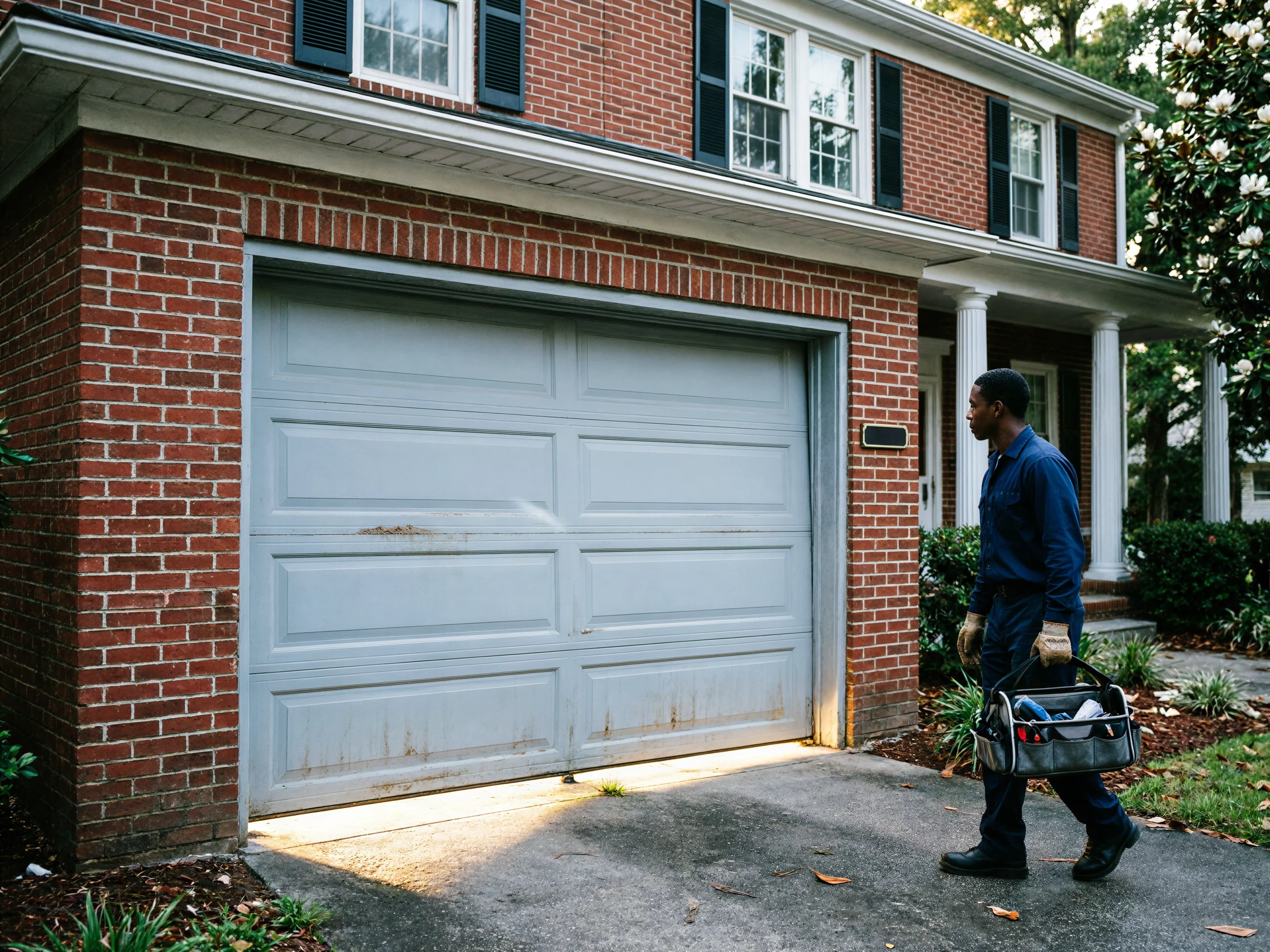
Trinity sits about 16 miles from our shop in Lexington, which is the first thing worth saying plainly: we don't have a branch here, and nobody driving past can just swing by.
Truck loaded from phone details
A call to Trinity means a truck leaves Lexington loaded for the job based on what you tell us on the phone, so the more specific you can be about the symptom, the better we can load the truck the first time.
Grouping Trinity calls
We try to group Trinity calls with other runs on that side of the county so the drive doesn't eat the whole afternoon, but we won't pretend that's always possible. If your spring snaps on a Tuesday morning, you may be looking at later in the day rather than the next hour.
Sixteen-mile response tradeoff
That's the honest tradeoff of being a Lexington company covering a town 16 miles out, and we'd rather tell you that up front than oversell a response time we can't back up from here.
Why It Happens Here
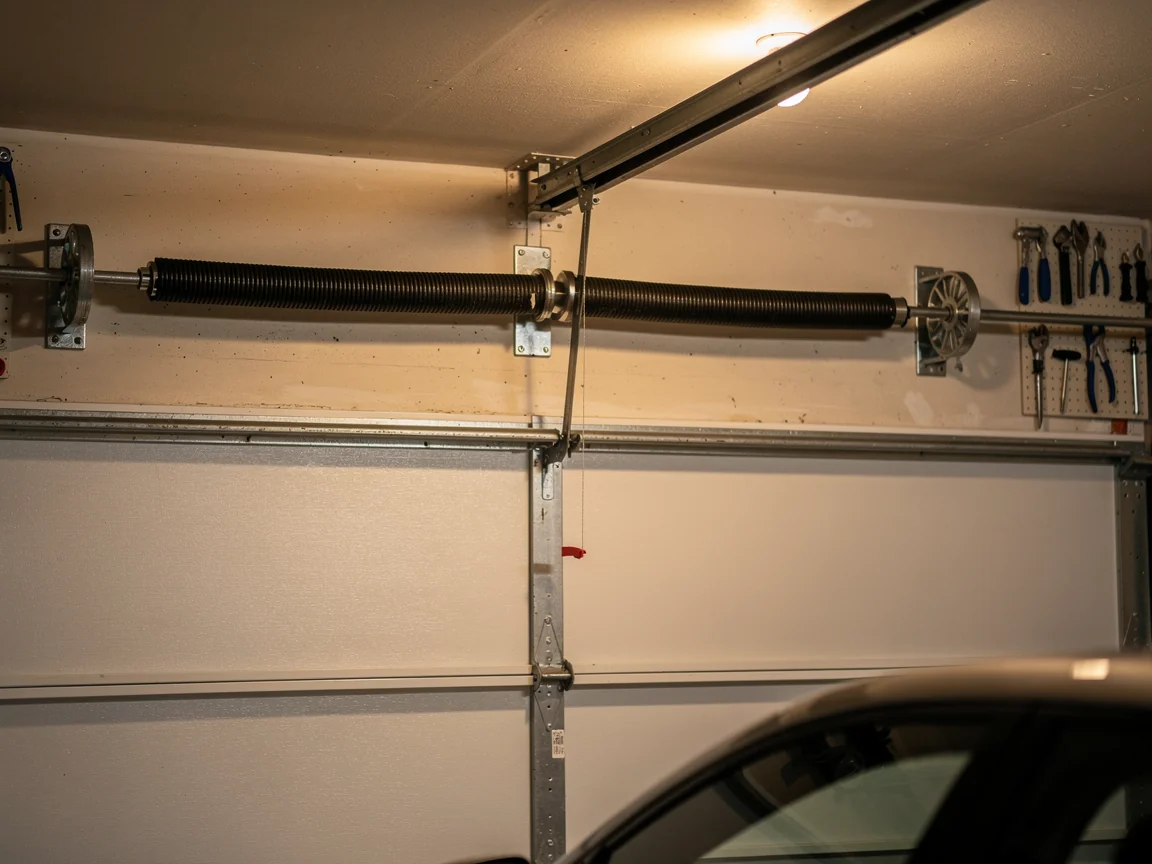
Housing across the wider service area runs 1955 to 1998 with a median build year of 1983, but Trinity's own stock centers closer to 1977 - a few years older than the area norm. That matters for garage doors because the hardware era shifted hard in the late 1970s and early 1980s, from extension springs mounted along the horizontal track to torsion springs mounted over the header. A house built in 1977 could have either, depending on when the original door went in or got swapped, and that's the first thing we ask about on a Trinity call. Older extension setups also tend to run on lighter steel than what's standard now, and after four-plus decades of cycling they fatigue in ways that look sudden but aren't. Add the cold-moderate climate band this part of the state sits in - metal contracts in winter, lubricant thickens, and a spring already near the end of its life picks a cold morning to finish the job. None of that is dramatic, it's just what happens to hardware this old.
The Symptom
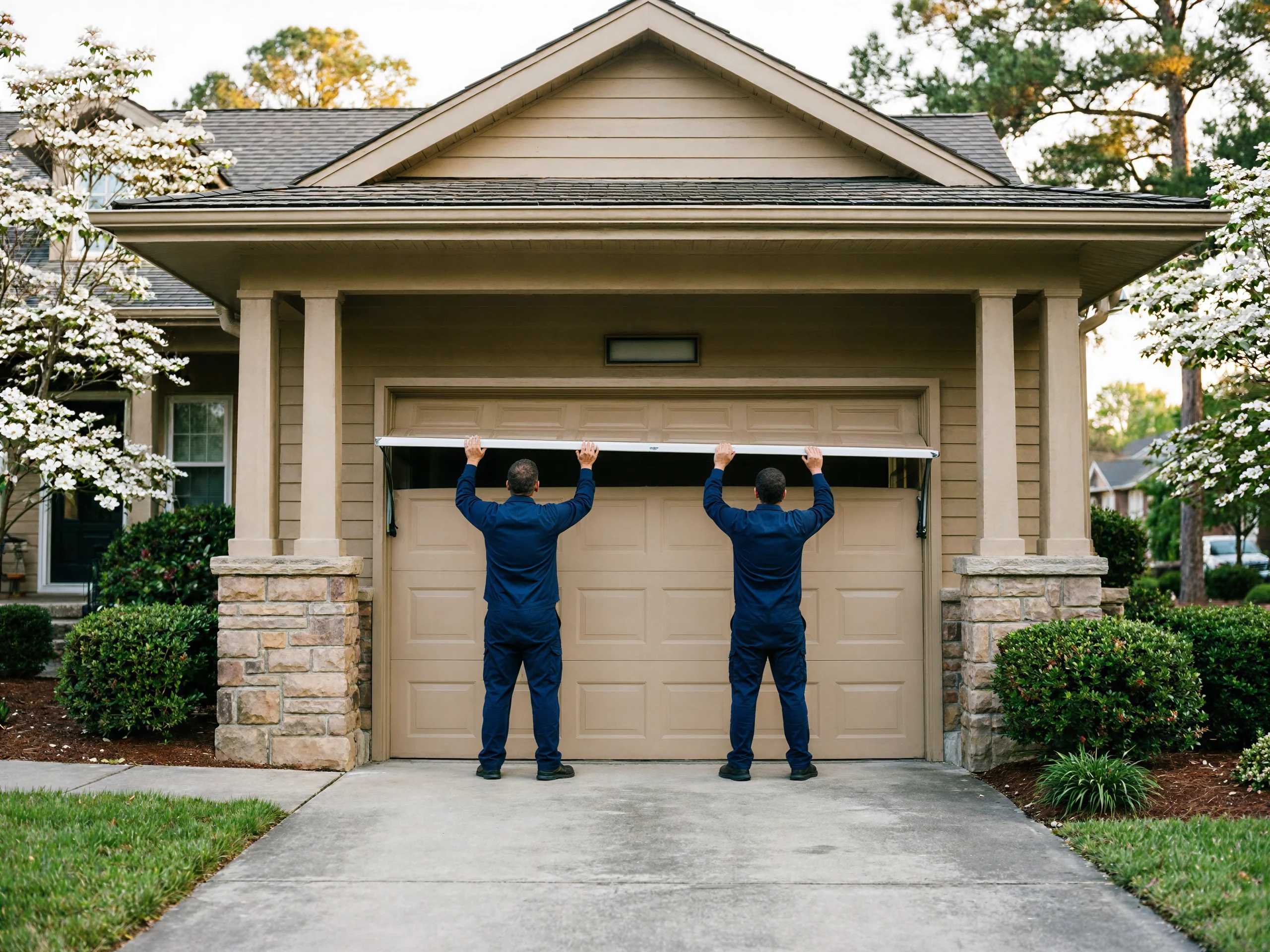
On a house from the Trinity stock's era, the symptom we hear most is a door that groans or hesitates partway up, then either keeps going slow or stalls.
Uneven spring tension loss
That's usually a spring losing tension unevenly rather than failing all at once - on a 1970s extension system, one side can stretch out before the other breaks clean, so the door starts fighting itself.
Full snap feels heavy
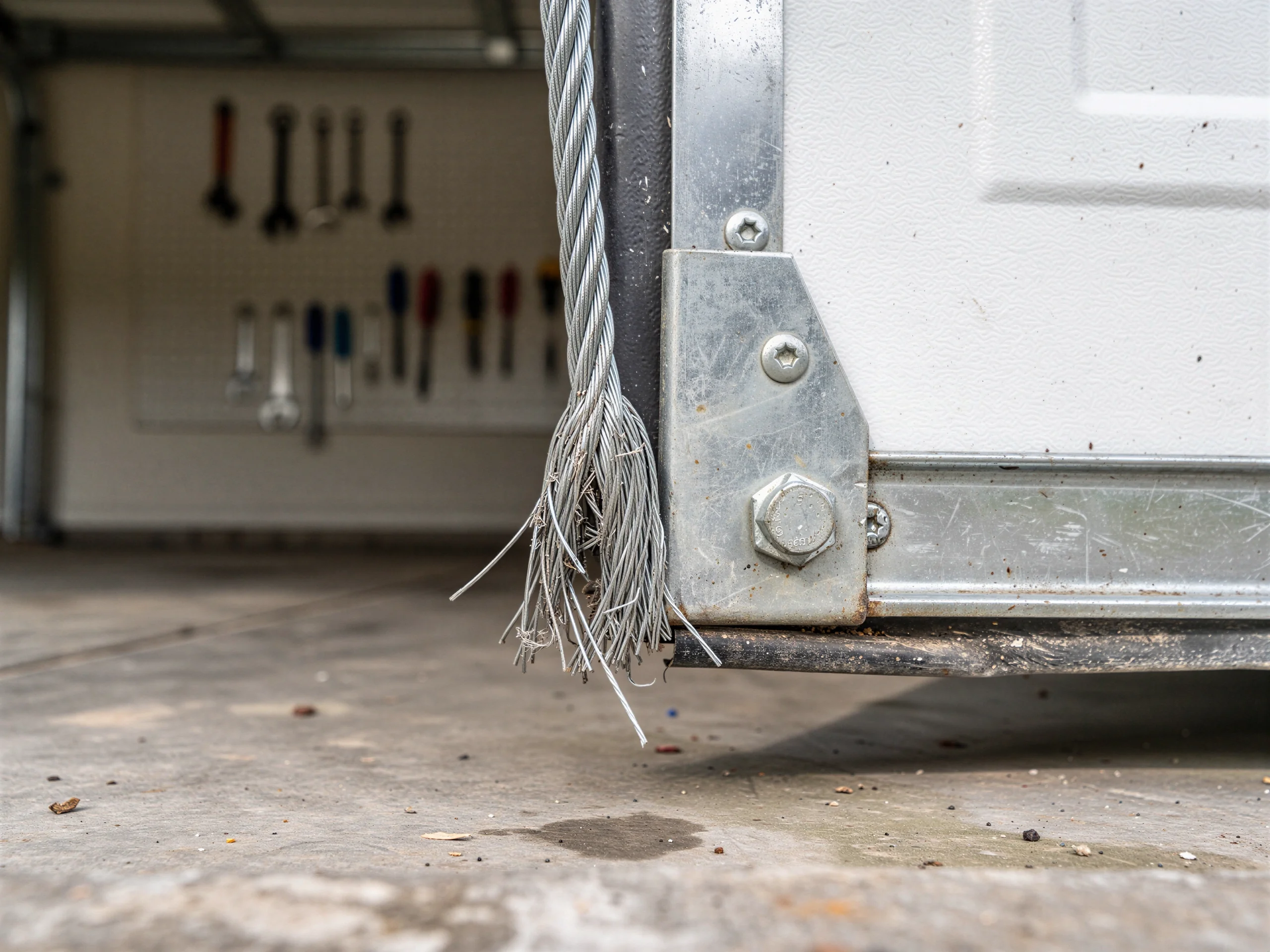
A full snap is more obvious: a loud bang, the door suddenly heavy enough that the opener strains or won't move it at all. Both point to the spring system, but which repair makes sense depends on whether the rest of the hardware - track, rollers, the opener itself - is original or has already been updated.
Describe what door did
We won't know which until we're looking at it, which is part of why we ask you to describe exactly what the door did and when, not just that it's 'acting up.'
What You Pay
We don't have a Trinity-specific price list, and we're not going to invent one here. What we can tell you is that the area's median household income, $80,349, runs well above the wider service area's $64,562, and in practice that means more Trinity homeowners choose full torsion conversions over patching an aging extension system when a spring goes. That's a judgment call, not a rule - a repair on original hardware can still be the right move if the rest of the door is sound. Either way, the number on your invoice depends on what's actually wrong once we're looking at the door, not on the town's zip code.
The DIY Question
A torsion or extension spring under load can take a finger off or worse, and that's true whether the door is five years old or forty-five.
Mismatched vintage parts
On a house from Trinity's 1970s-leaning stock, we'd add one more reason to leave it alone: original hardware this old often uses parts sized differently than what's sold today, and guessing wrong on a replacement spring under tension is how people get hurt.
Safe DIY list
Lubricating hinges, tightening visible bolts, clearing the track of debris - that's fine, do it yourself. Springs, cables, and anything that involves the opener's force settings on a door this old is not a weekend project, and we'd rather lose the job to you doing it carefully than hear you tried it and got hurt.
What the Repair Takes
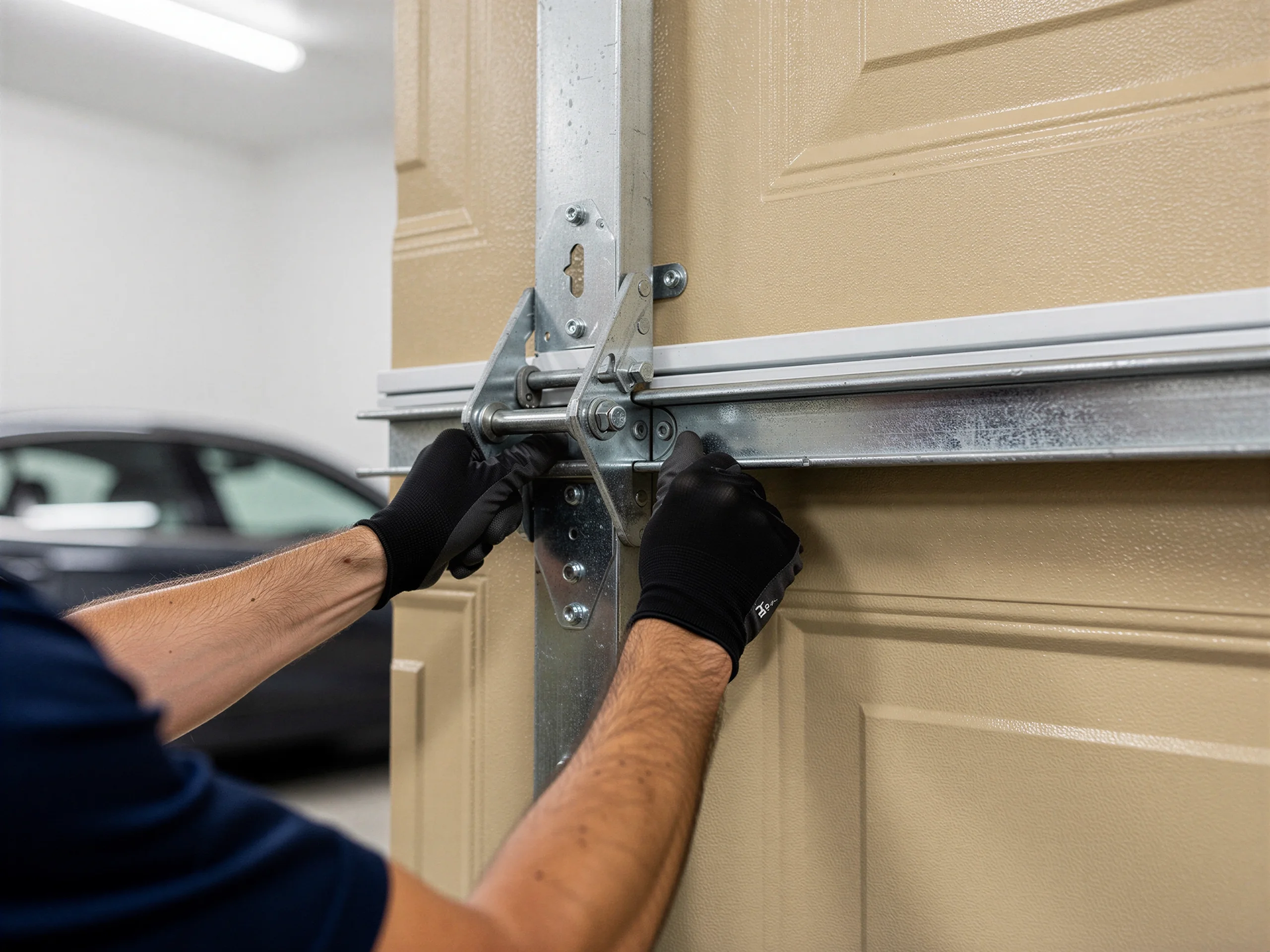
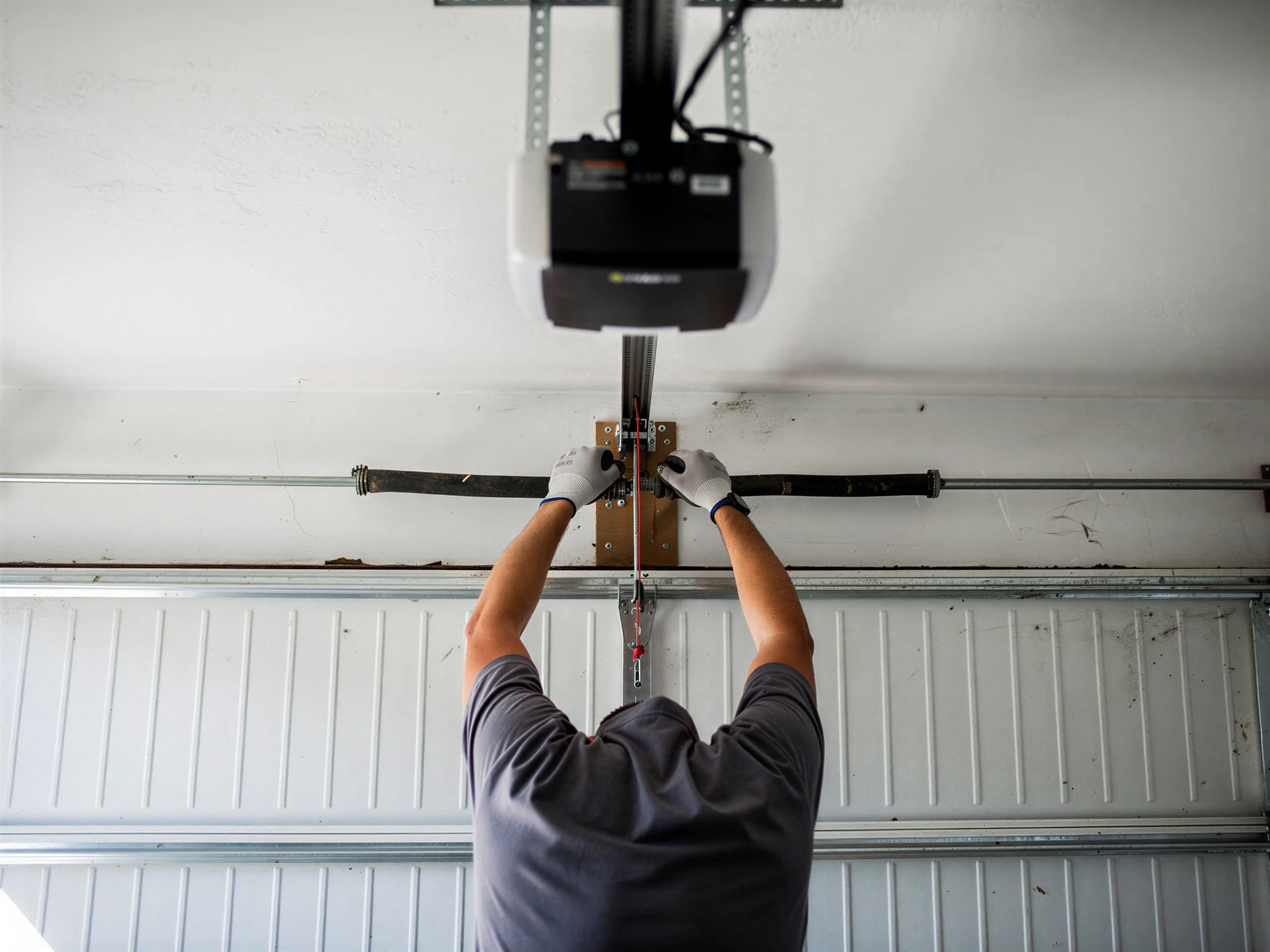
Most Trinity calls we take are spring jobs, and most of those are done in one visit once we're on site - the drive is the long part, not the work. Where it runs longer is when the original hardware is non-standard for its age: a 1970s track width or an extension system nobody stocks a matching part for anymore. In that case we may need to order a part before we can finish, and we'll tell you that on site rather than let you assume we're done when we're not. A full torsion conversion on an older door takes longer than a spring swap because we're replacing the whole lift system, not just one part of it - worth knowing before you decide which repair you want.
Talk to a local pro
Garage door service in Lexington?
Same-day service with honest, upfront quotes.