How Long It Takes
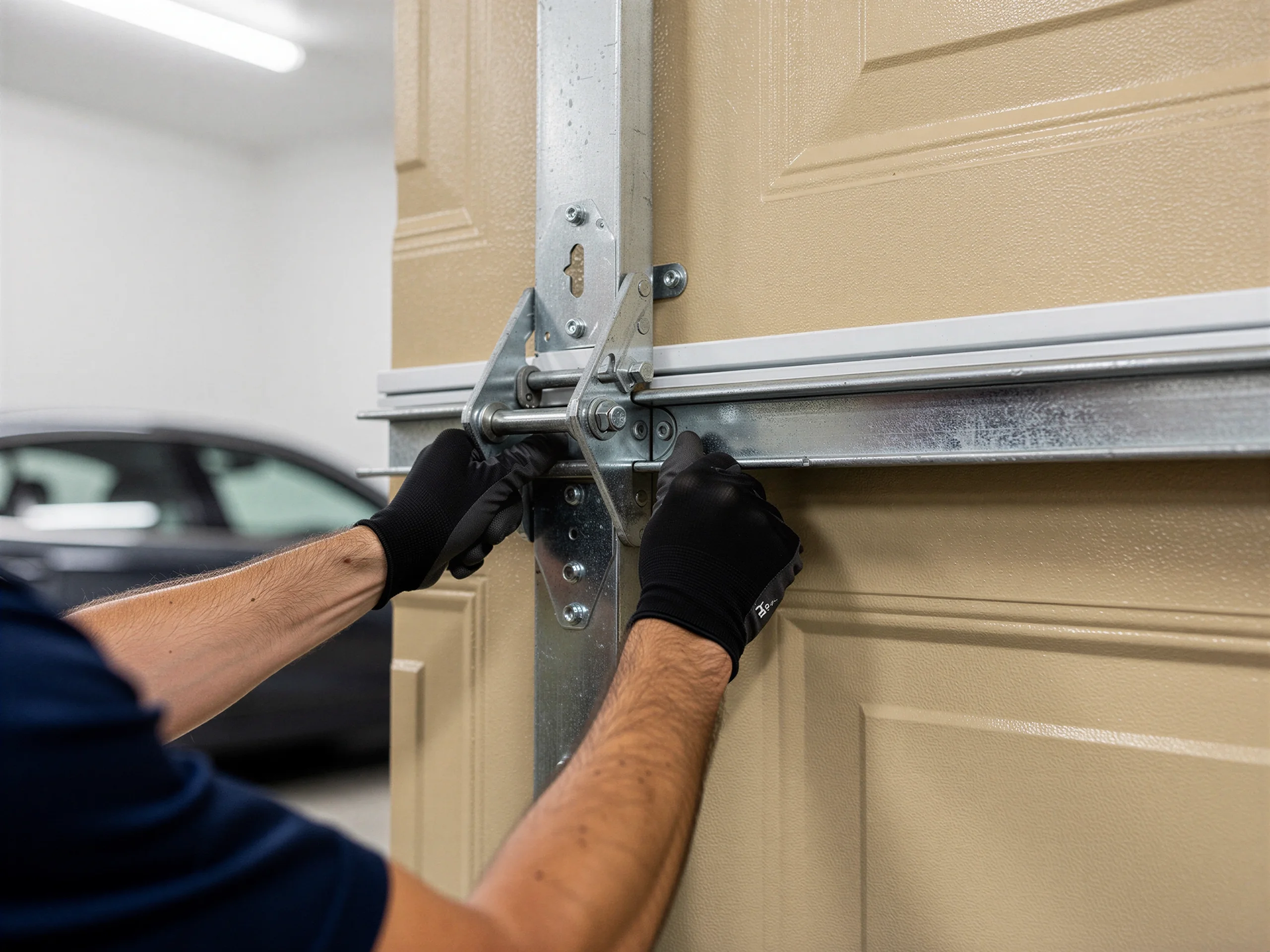
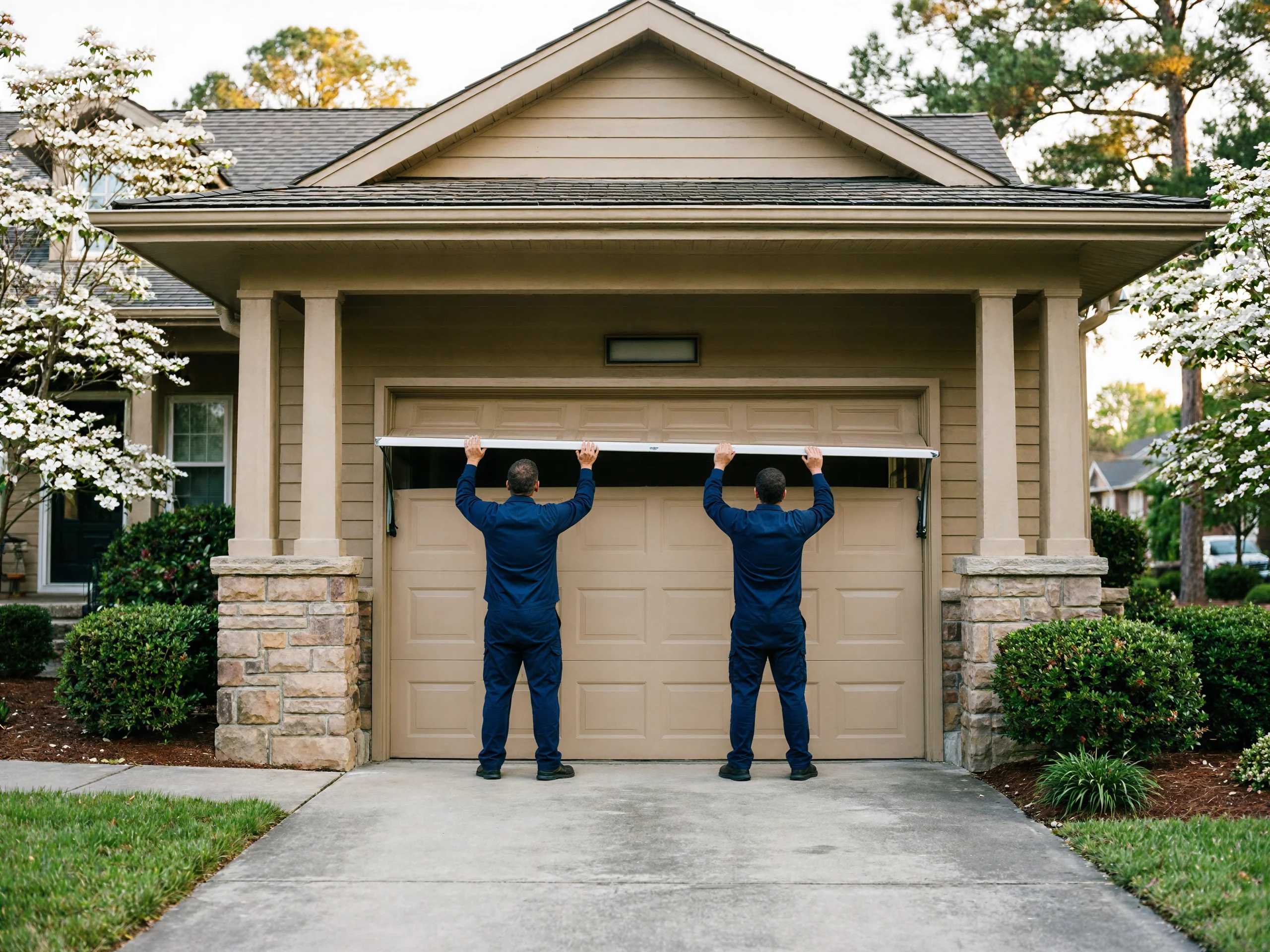
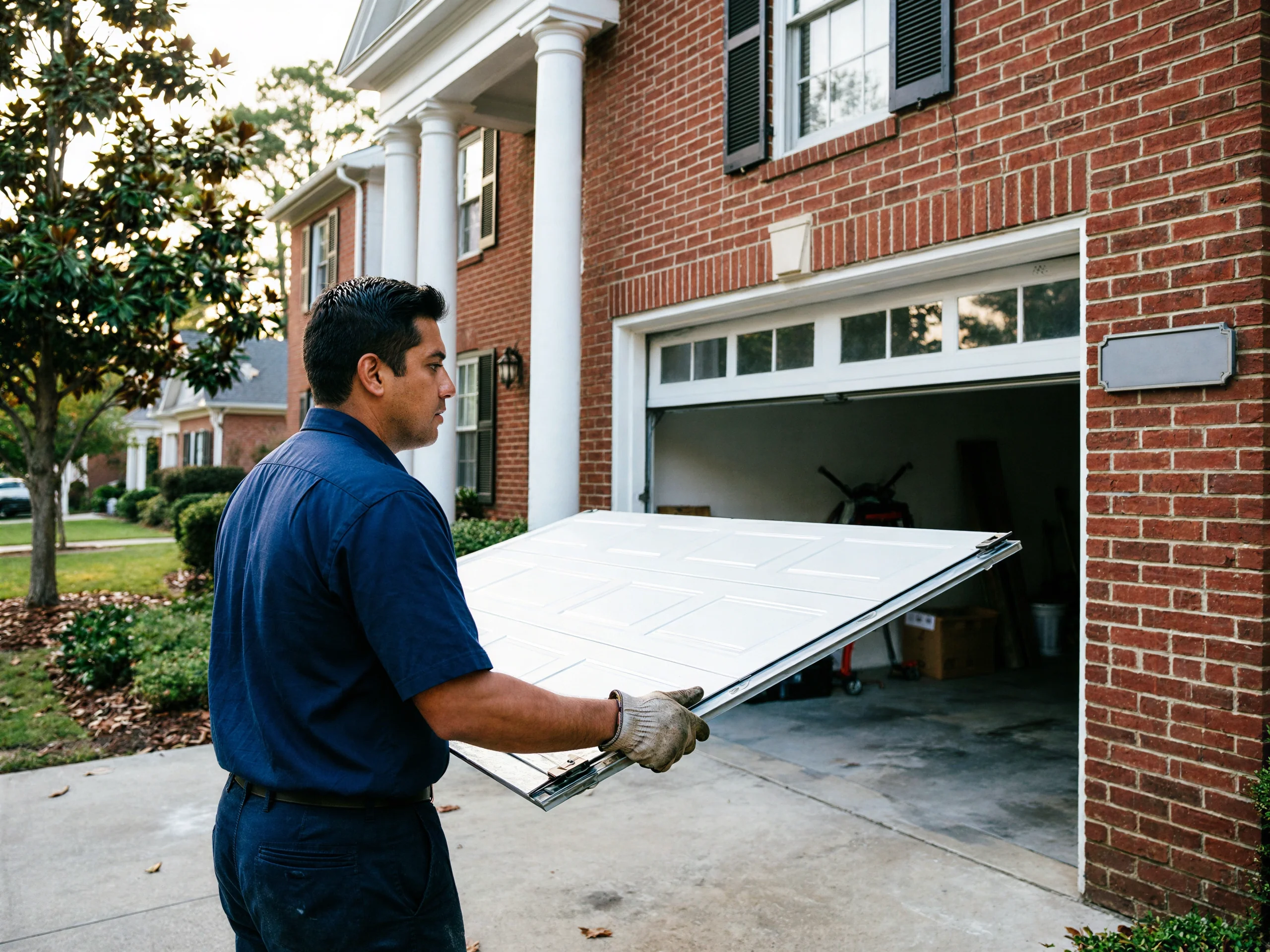
Trinity's median home dates to 1977, which puts most garages here on steel sectional doors installed well before insulated panels became standard. A single panel swap on one of these doors is usually a half-day job once we've got the right panel in hand - unbolt the hinges, slide the damaged section out, slide the new one in, re-hang and adjust the track. The part that eats time isn't the install, it's sourcing. A door built in 1977 or the years around it was likely made by a manufacturer that's since changed its panel profile, and matching the rib pattern and panel height on a 30-plus-year-old door takes more hunting than a job on a newer build. We're coming from Lexington, 16 miles out, so we plan the drive around having the panel confirmed first rather than guessing and making a second trip.
Why It Happens Here
These doors are flat steel, raised-panel style, almost always non-insulated - insulated cores didn't become common in this price bracket until later than 1977. A single layer of steel with no foam backing flexes more than a sandwich panel does, and it dents easier: a bumper tap, a bike pedal, a ladder leaned against it for a season. Cold-moderate winters here also mean the steel contracts and expands through the year, and on a door this old the seams between panels have usually loosened enough that a dent in one section stresses the hinge points on the one next to it.
Talk to a local pro
Garage door service in Lexington?
Same-day service with honest, upfront quotes.